25 Brilliant Basement Organization Tips to Reclaim Your Space

- Start With a Full Purge
- Map Out Zones Before You Organize
- Get Everything Off the Floor
- Invest in Clear Plastic Bins
- Build a Labeling System That Actually Works
- Install Heavy-Duty Wire Shelving
- Create a Dedicated Holiday Decor Zone
- Set Up a Wrapping Paper and Gift Station
- Use Pegboards for Tools and Equipment
- Add a Rolling Workbench for Flexible Space
- Organize Sports Equipment With a Vertical Rack
- Create a Seasonal Rotation System
- Set Up a Laundry Folding Station
- Use Under-Stair Space Wisely
- Install a Slat Wall for Multi-Purpose Storage
- Store Paint Cans and Chemicals Safely
- Build a Family Command Center
- Use Stackable Drawer Units for Small Items
- Add Proper Lighting Before You Organize Further
- Designate a Donation Staging Area
- Store Suitcases and Travel Gear Together
- Set Up a Craft or Hobby Corner
- Use Furniture With Built-In Storage
- Create a Toy Rotation System for Kids
- Keep a Basement Inventory List
Thought for 2s
25 Brilliant Basement Organization Tips to Reclaim Your Space
If your basement has slowly turned into the place where things go to disappear, you’re not alone. It’s usually the biggest room in the house and the last one anyone bothers to organize. The good news is that with a little planning and a few smart systems, you can turn that cluttered storage pit into a space you actually want to walk into. Here are 25 practical, real-world ideas to help you get there.
Start With a Full Purge
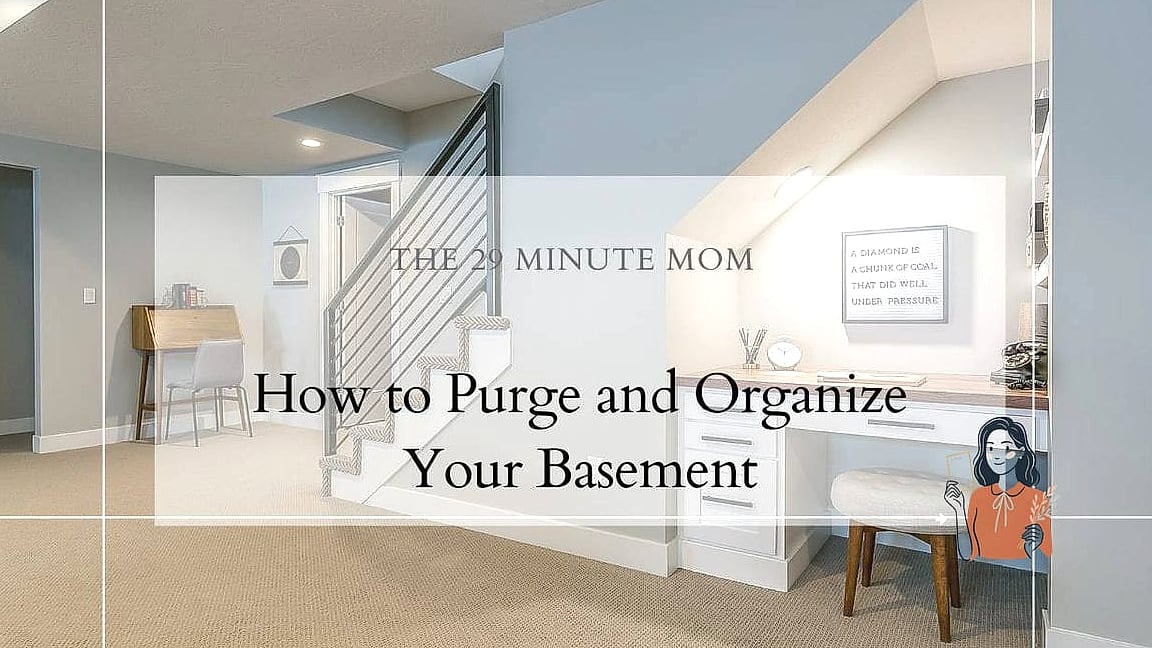
Before you buy a single bin, pull everything out and sort it into keep, donate, and toss piles. Basements accumulate things nobody actually uses anymore, from broken holiday decorations to boxes nobody remembers packing. This step feels tedious, but it’s the one that makes every other tip on this list actually work.
Map Out Zones Before You Organize

Walk your basement and decide what each area is going to be used for: storage, laundry, workshop, gym, play space, whatever fits your life. Assigning zones first keeps you from randomly placing furniture and bins wherever there’s an open spot. Once zones are set, organizing each one becomes a much smaller, more manageable task.
Get Everything Off the Floor
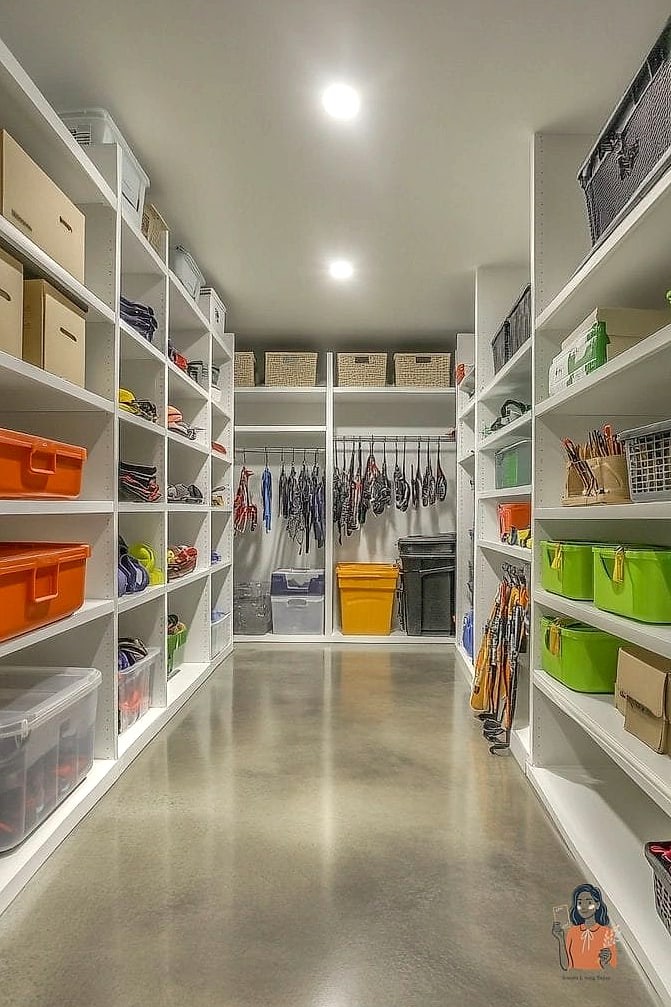
Basements are prone to moisture, and cardboard boxes sitting directly on concrete are an invitation for mold and warping. Use wire shelving units, pallets, or simple risers to lift storage off the ground. This one change alone protects your belongings far better than any bin or label system.
Invest in Clear Plastic Bins
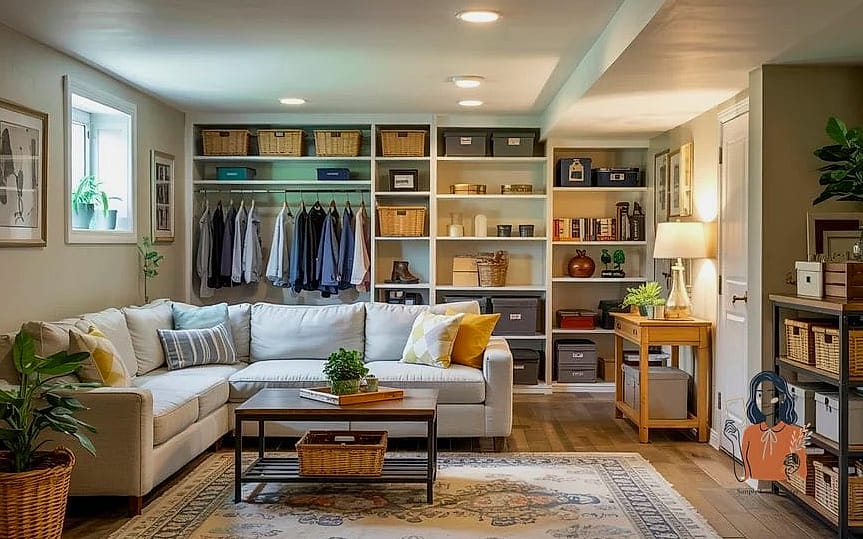
Swap cardboard boxes for clear, stackable plastic totes. You’ll be able to see what’s inside without opening every single one, and they hold up much better against basement humidity. Label the short end of each bin so you can read it even when they’re stacked.
Build a Labeling System That Actually Works
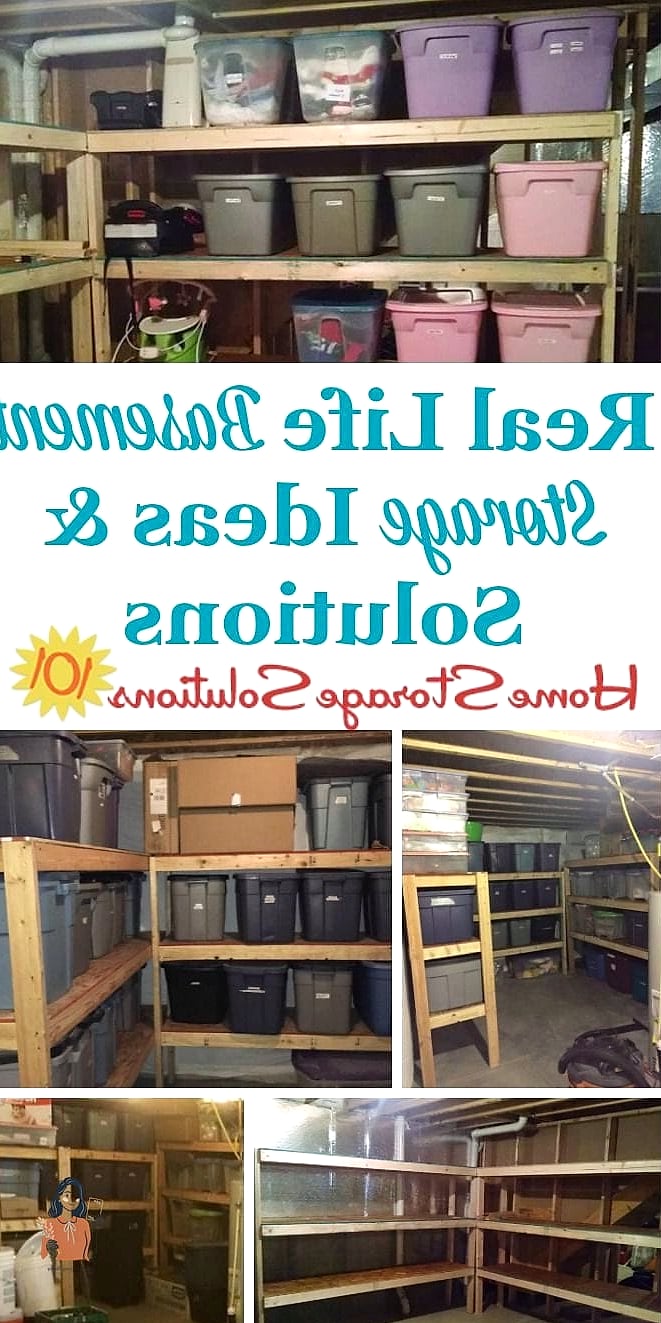
Vague labels like “misc” or “stuff” defeat the purpose of organizing at all. Use a label maker or simple painter’s tape with a marker, and be specific: “kids winter gear,” “Christmas ornaments,” “camping equipment.” A consistent labeling system saves you from digging through five bins to find one item.
Install Heavy-Duty Wire Shelving
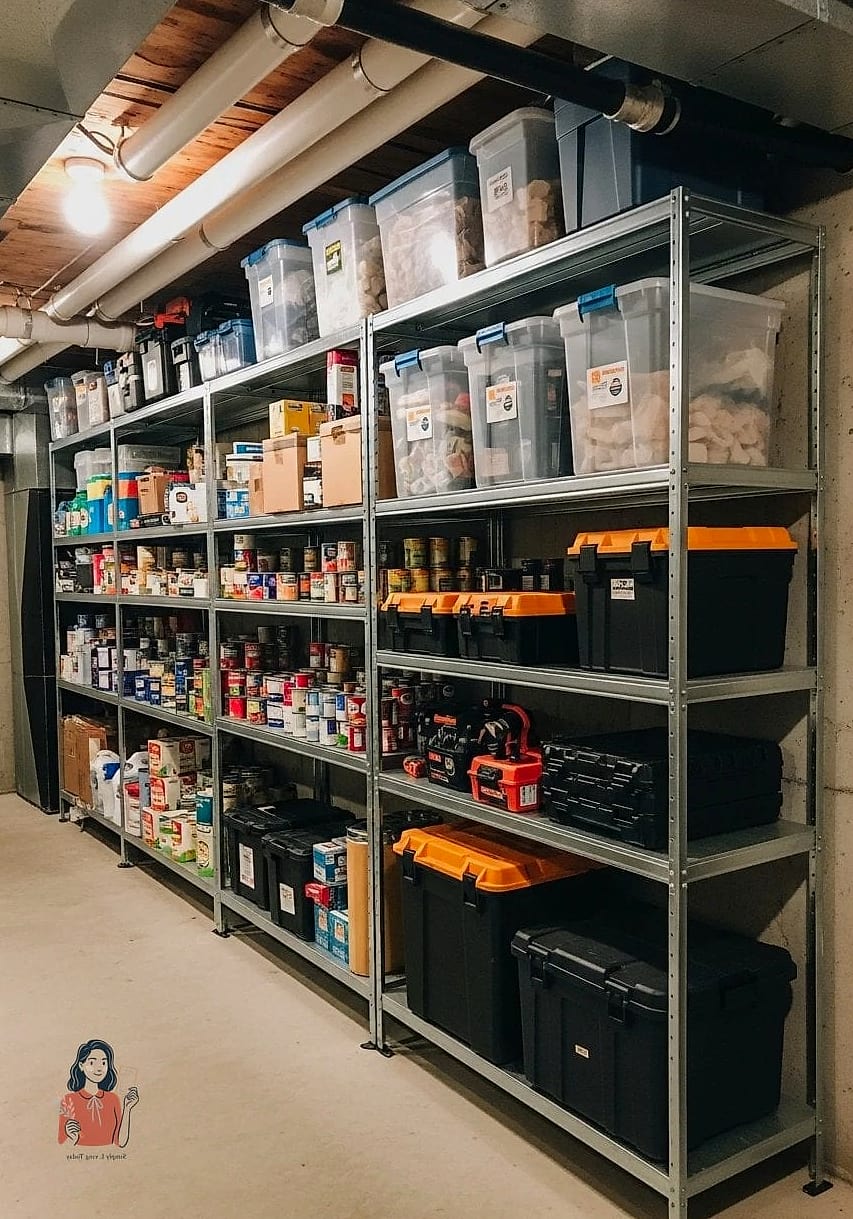
Freestanding wire shelving units are a basement organizer’s best friend because they’re affordable, adjustable, and allow airflow around stored items. Line one wall with shelving for bins, tools, or seasonal decor. Choose units rated for garage or basement use so they can handle the weight and humidity.
Create a Dedicated Holiday Decor Zone
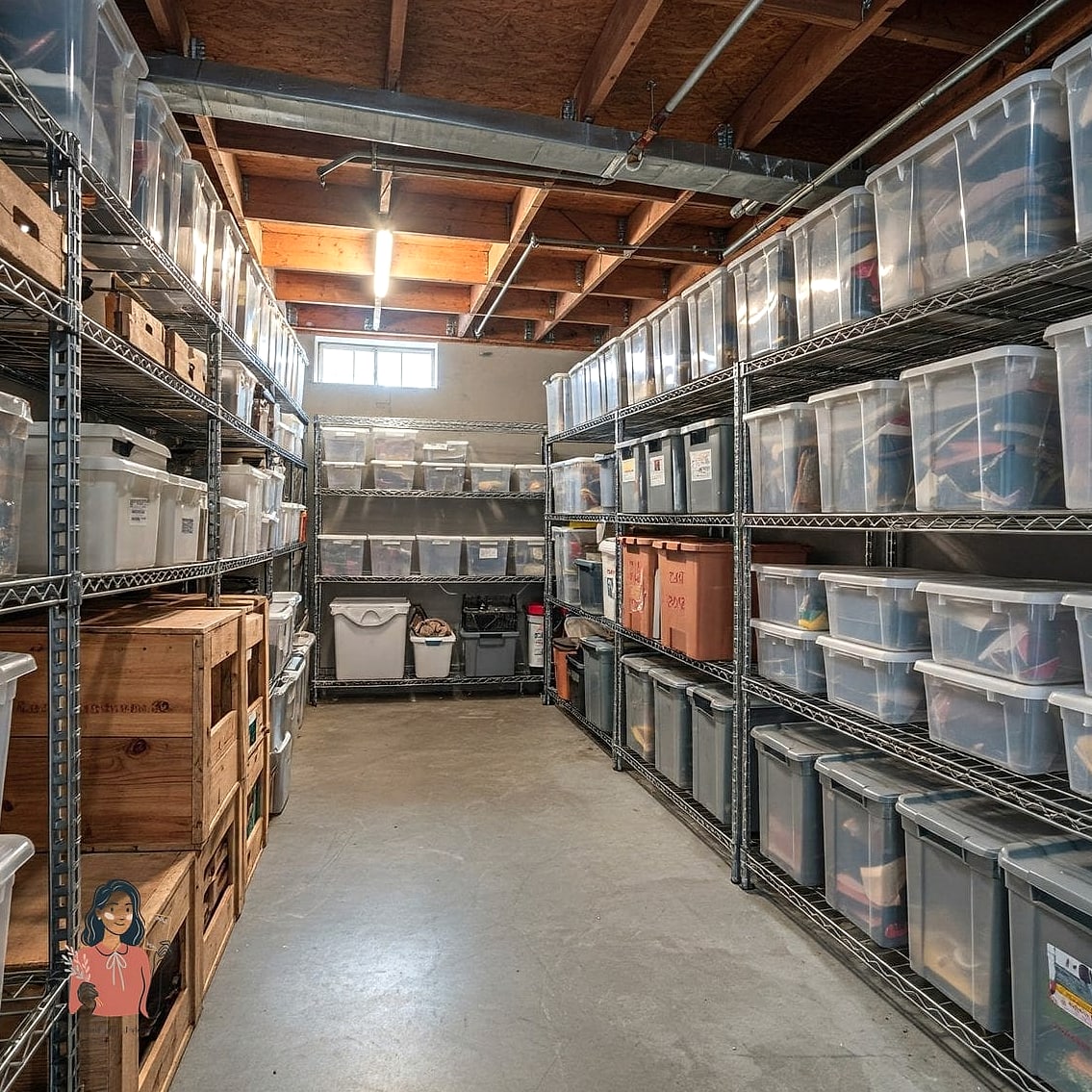
Instead of scattering wreaths, string lights, and ornament boxes across the basement, give holiday decor its own labeled section. Use bins sized specifically for ornaments, and store artificial trees upright in a rolling bag if you have the space. Come November, you’ll thank yourself for not hunting through six random boxes.
Set Up a Wrapping Paper and Gift Station
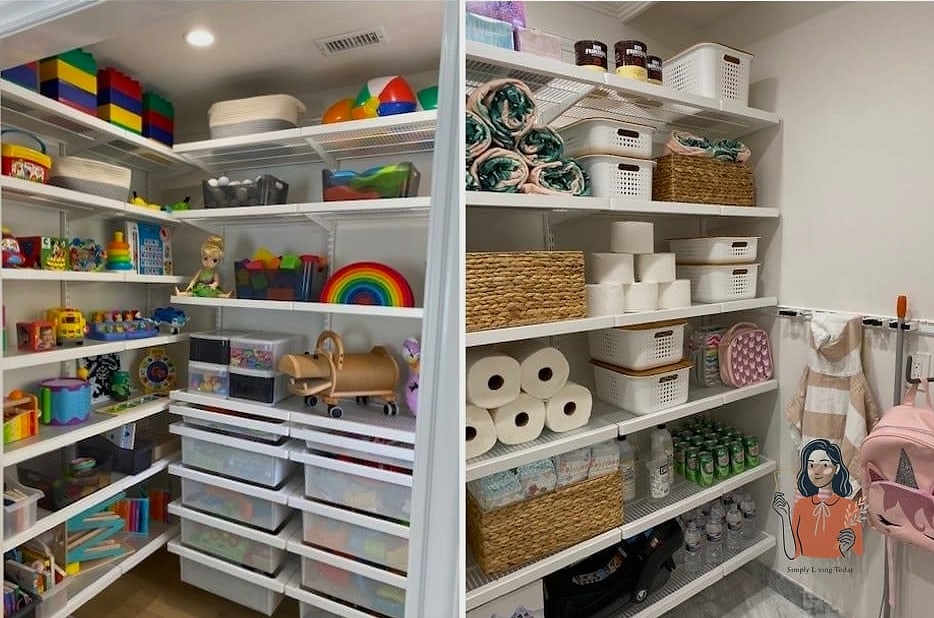
A rolling cart or a slim vertical organizer near your holiday zone can hold wrapping paper, ribbon, tape, and gift bags all in one spot. This is a small addition, but it turns wrapping presents from a scavenger hunt into a five-minute task. Keep scissors and tags in the same spot so nothing gets left behind.
Use Pegboards for Tools and Equipment
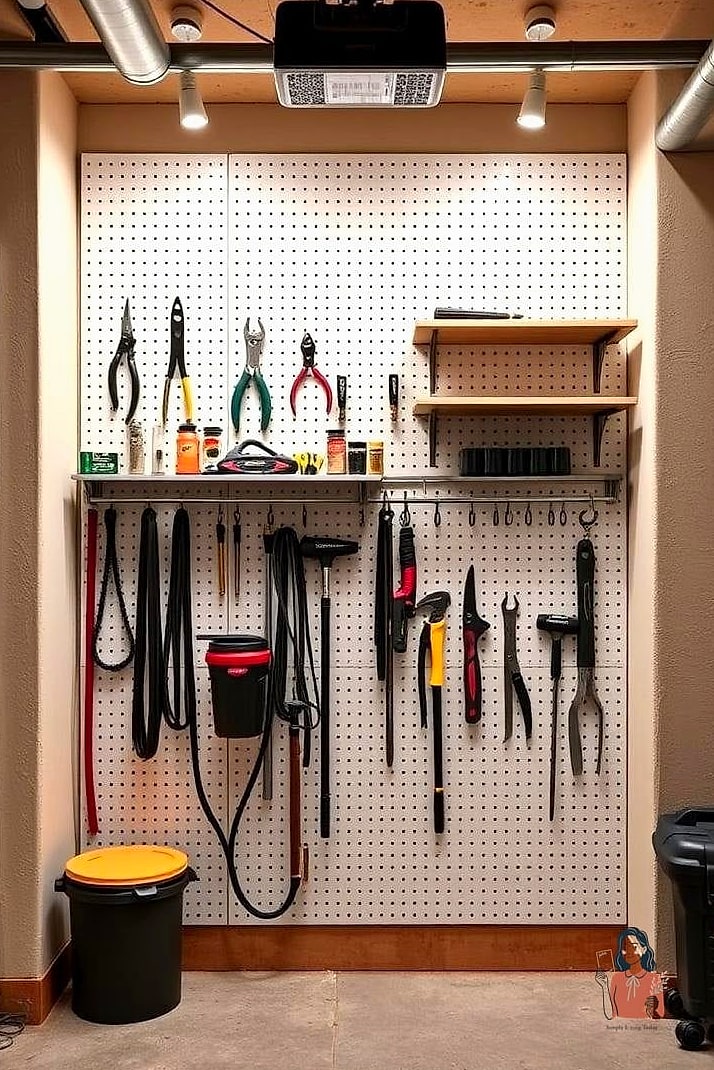
If part of your basement functions as a workshop, a pegboard mounted on the wall keeps tools visible and off the workbench. Trace an outline around each tool so everything has an obvious home. It’s a simple system, but it makes putting things away almost automatic.
Add a Rolling Workbench for Flexible Space
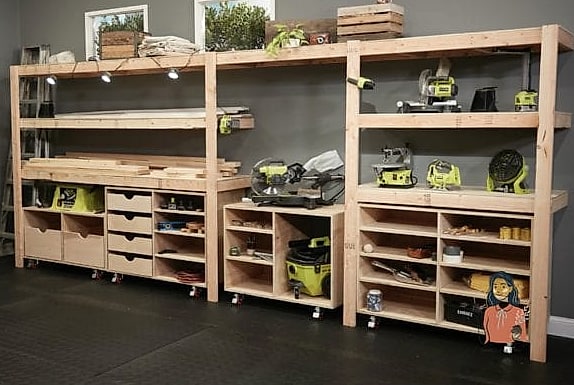
A workbench on locking wheels lets you use the same square footage for multiple purposes. Roll it out when you need a work surface, then push it against the wall when you don’t. This is especially useful in smaller basements where every foot of floor space matters.
Organize Sports Equipment With a Vertical Rack
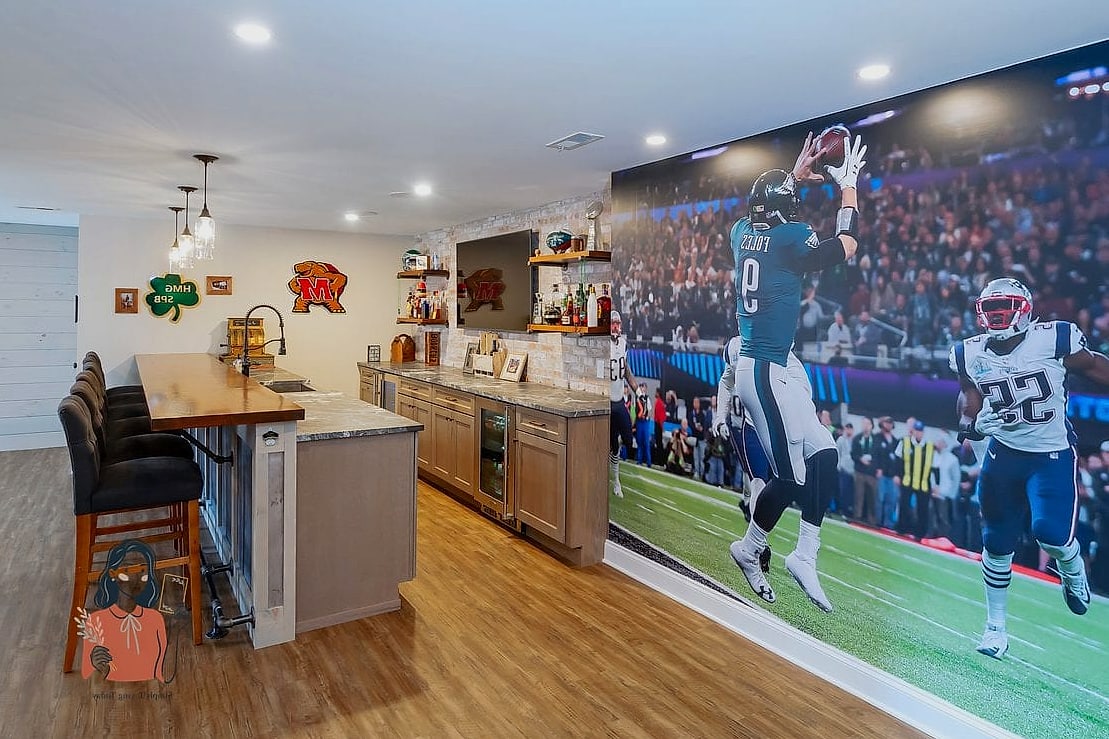
Balls, bats, helmets, and bags tend to pile up in a corner and stay there. A vertical rack or a few sturdy hooks keeps everything upright and easy to grab on the way out the door. Group by sport or by family member, whichever makes more sense for your household.
Create a Seasonal Rotation System
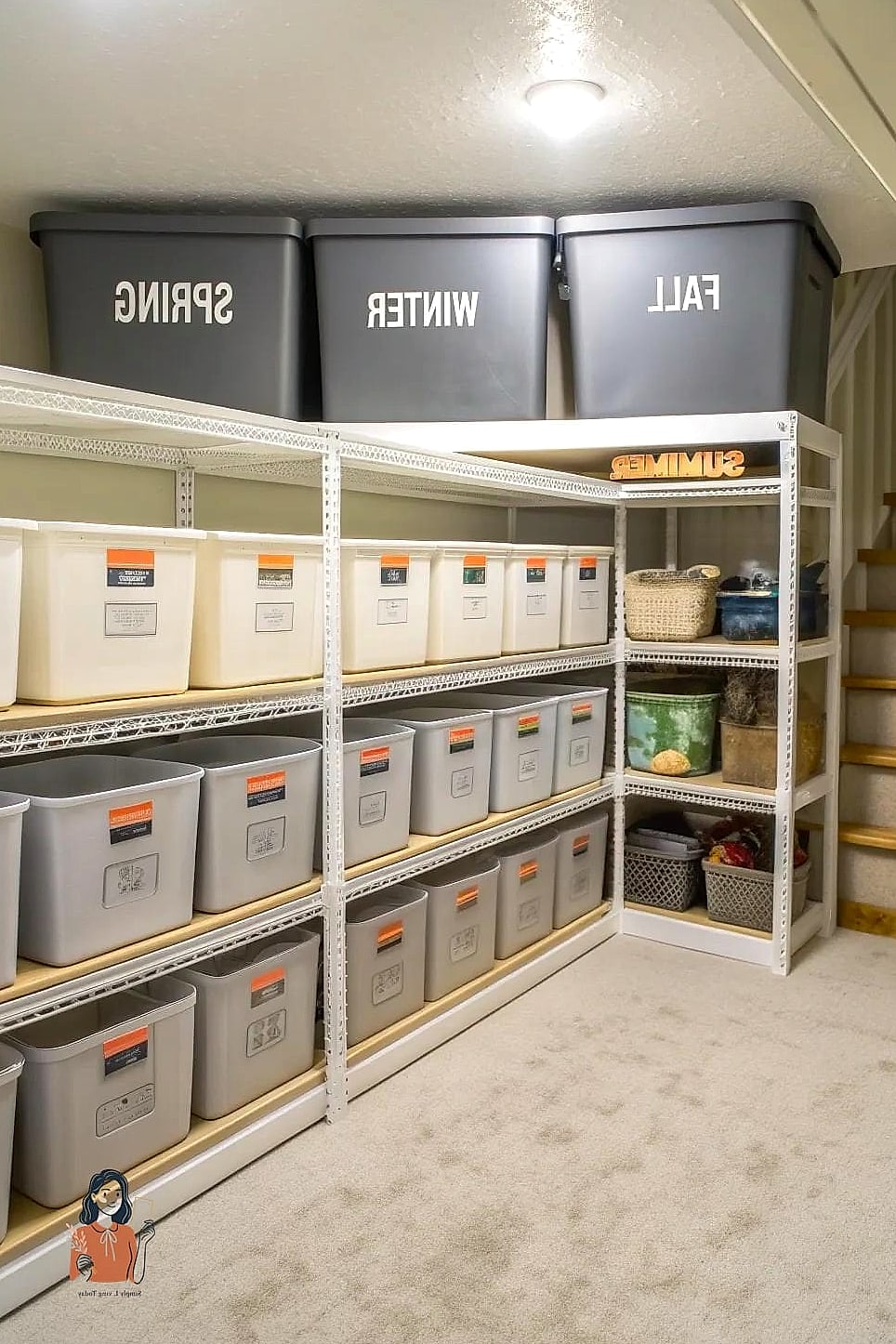
Rather than storing everything all year long, rotate items in and out based on season. Winter coats and holiday decor can move to accessible shelves in the fall, while pool floats and camping gear take a back seat until summer. This keeps your most-used items within easy reach and everything else out of the way.
Set Up a Laundry Folding Station
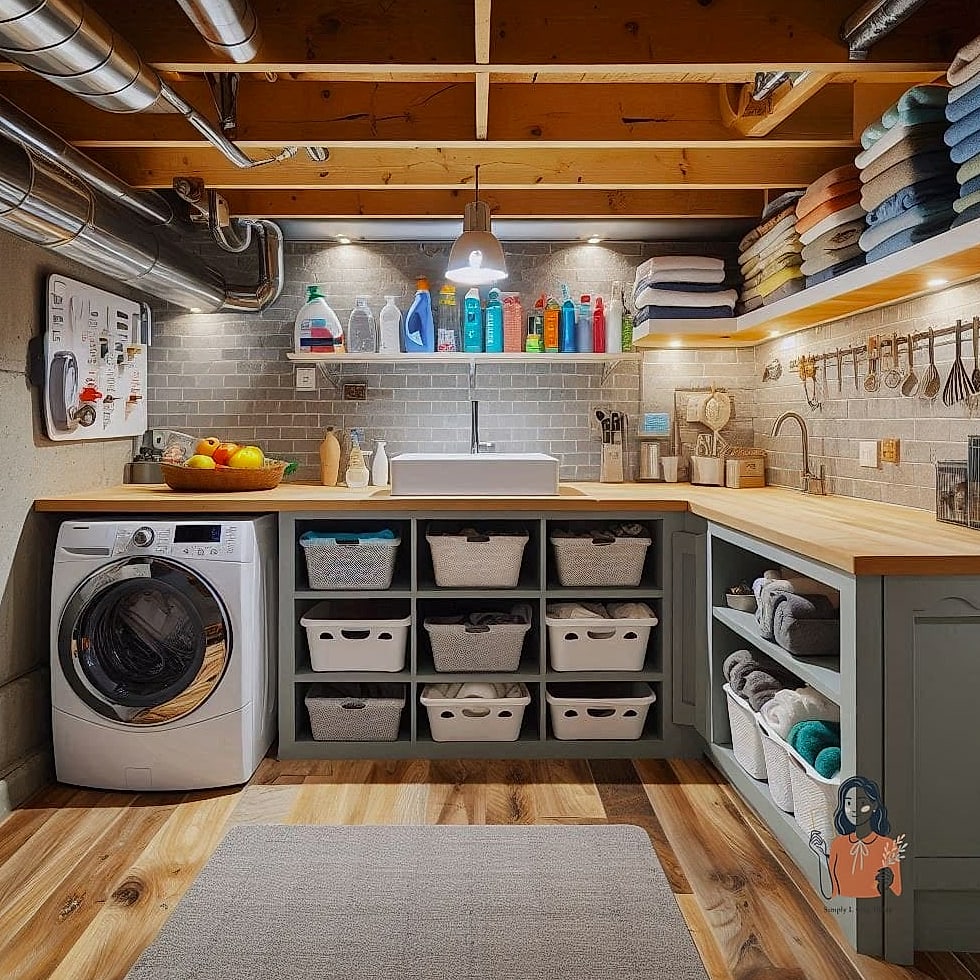
If your washer and dryer live in the basement, a small folding table or counter nearby makes laundry days far less chaotic. Add a hanging rod above for air-drying, and a hamper system sorted by color or family member. It turns a purely functional space into one that actually helps your routine.
Use Under-Stair Space Wisely
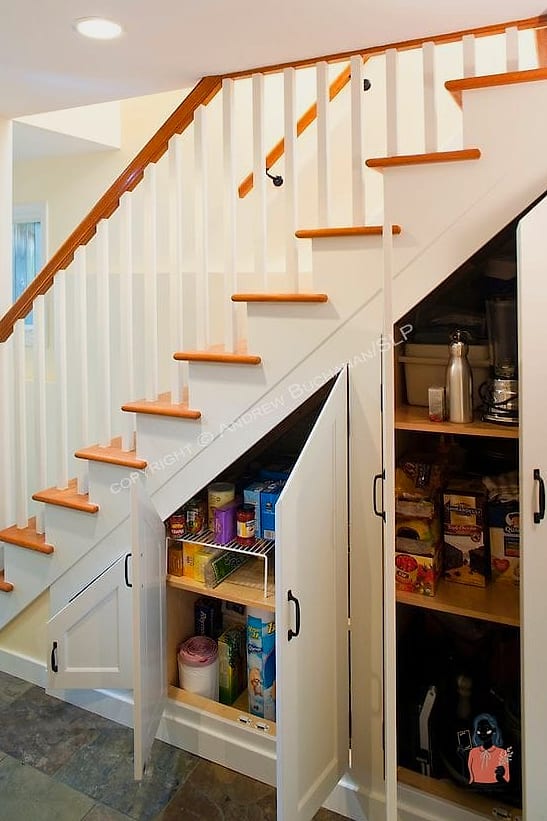
The area under basement stairs is often wasted or crammed full of random items. Built-in shelving, pull-out drawers, or even a small closet insert can turn that awkward triangle into genuinely useful storage. It’s one of the most overlooked spots in the whole house.
Install a Slat Wall for Multi-Purpose Storage
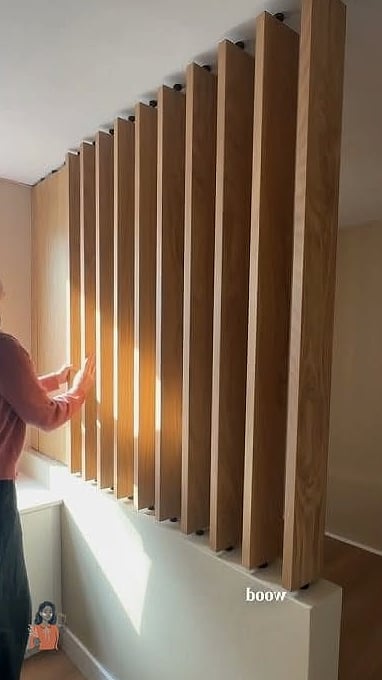
Slat wall panels give you the flexibility of a pegboard but with hooks, baskets, and shelves that can be rearranged as your needs change. They work well for garden tools, sports gear, or even craft supplies. If your organizing needs shift over time, this system grows with you.
Store Paint Cans and Chemicals Safely
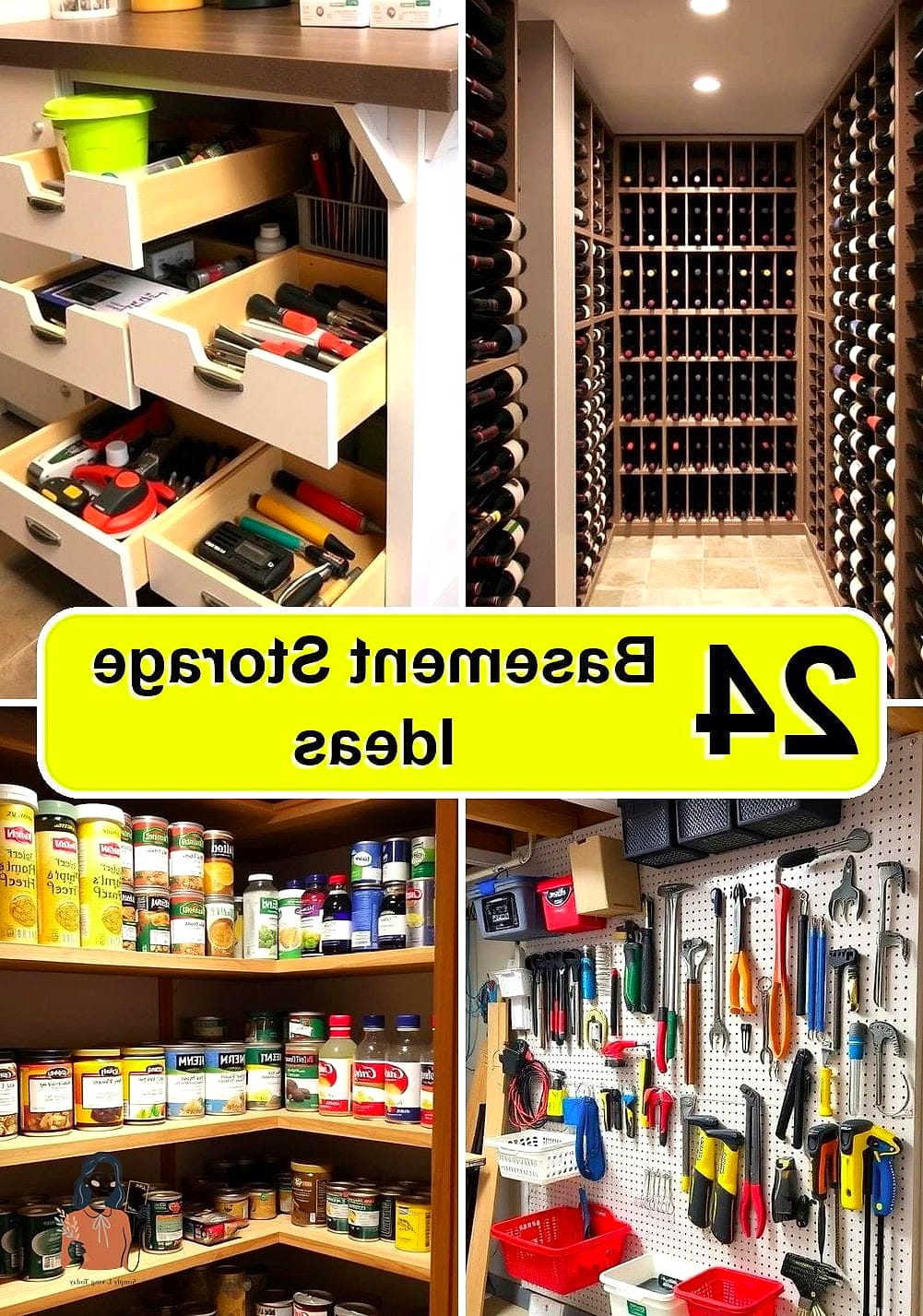
Old paint cans, cleaning chemicals, and other hazardous items need their own designated, well-ventilated shelf, ideally away from anything flammable and out of reach of kids or pets. Label each can with the room it matches and the date it was purchased so you know what’s still usable. Check local guidelines for disposing of anything expired rather than letting it pile up indefinitely.
Build a Family Command Center
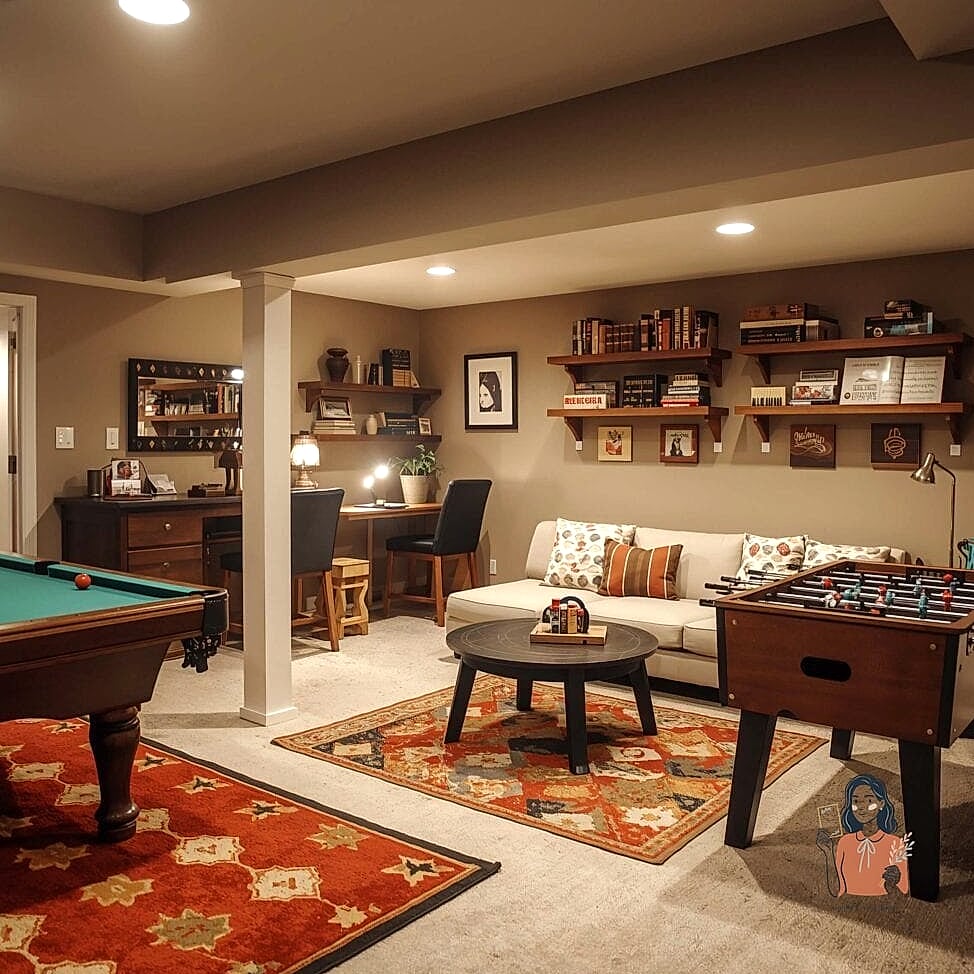
If your basement doubles as a mudroom or entry point, a wall-mounted organizer with hooks, a small shelf, and a chalkboard or whiteboard keeps keys, mail, and schedules from cluttering the rest of the house. It’s a small setup that catches a lot of daily clutter before it spreads. Assign one hook per person to keep things simple.
Use Stackable Drawer Units for Small Items
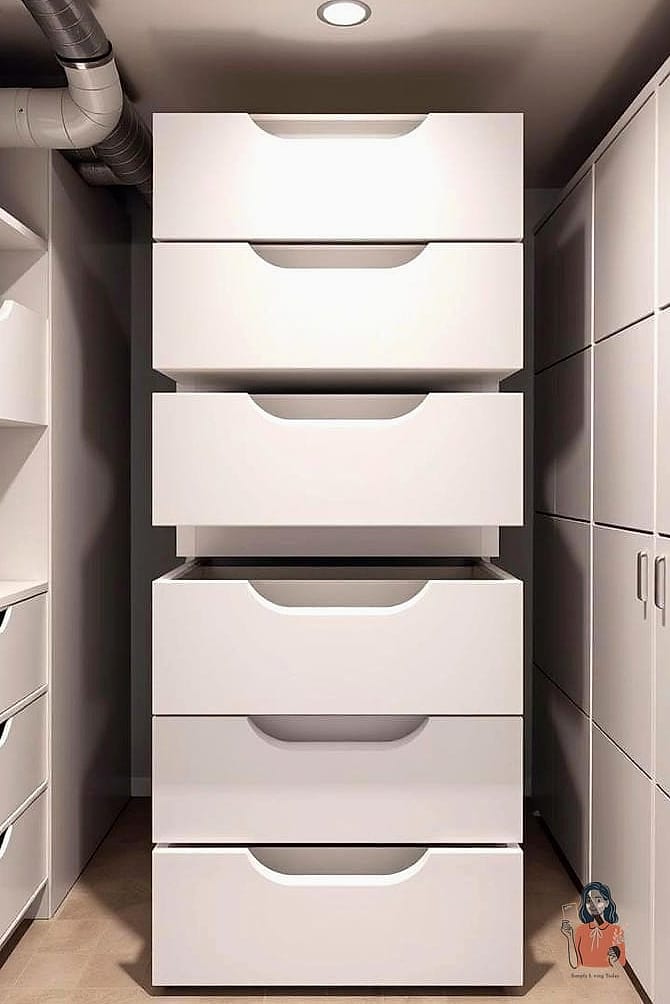
Screws, batteries, cords, and other small odds and ends need a home smaller than a bin. A stackable drawer unit with labeled compartments keeps these items sorted and easy to find. This is especially handy near a workbench or utility area.
Add Proper Lighting Before You Organize Further
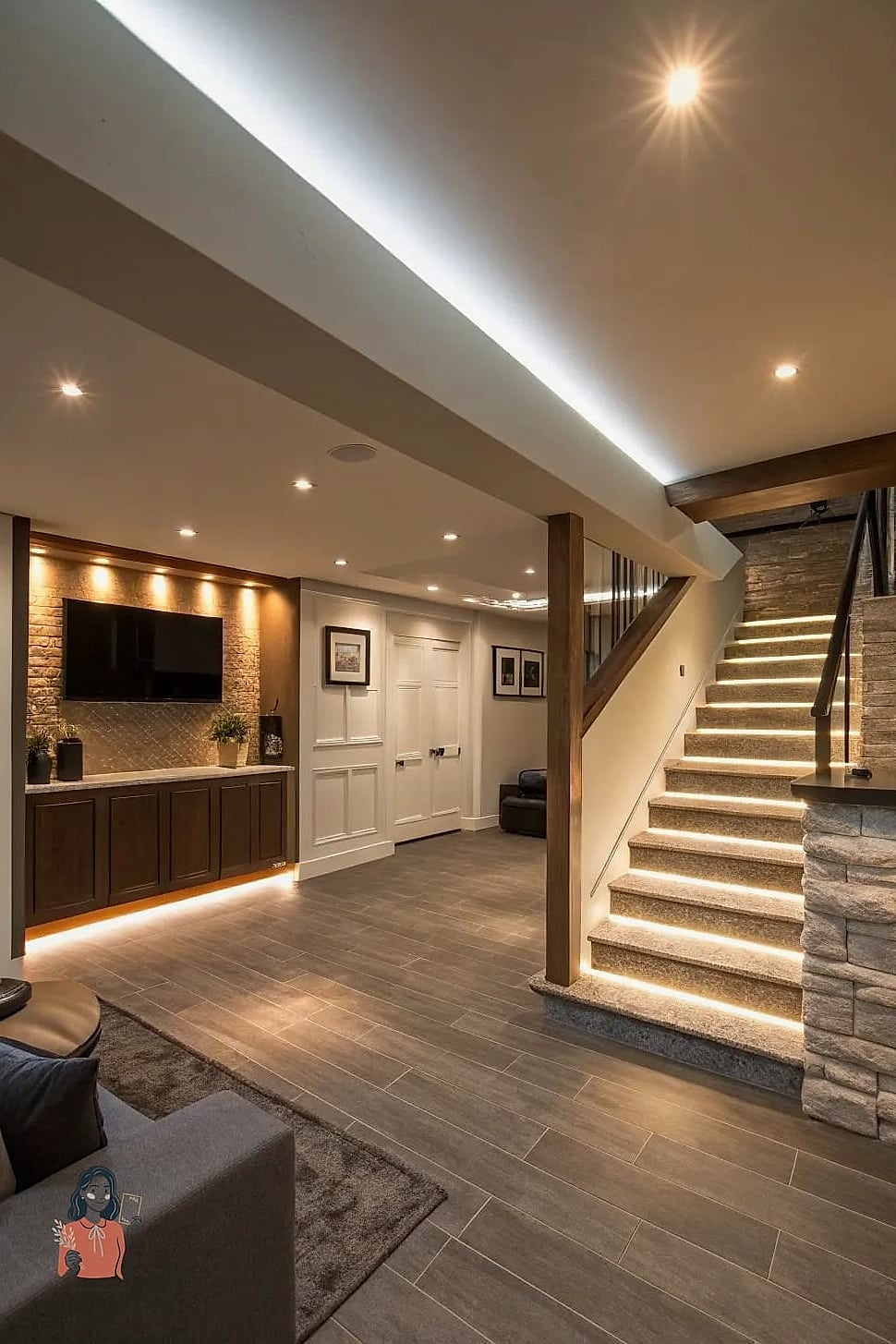
It’s hard to keep a space tidy when you can’t see into the corners. Battery-powered puck lights, an upgraded overhead fixture, or a simple shop light can make a huge difference in how usable your basement feels. Good lighting also makes it much easier to spot moisture issues early.
Designate a Donation Staging Area
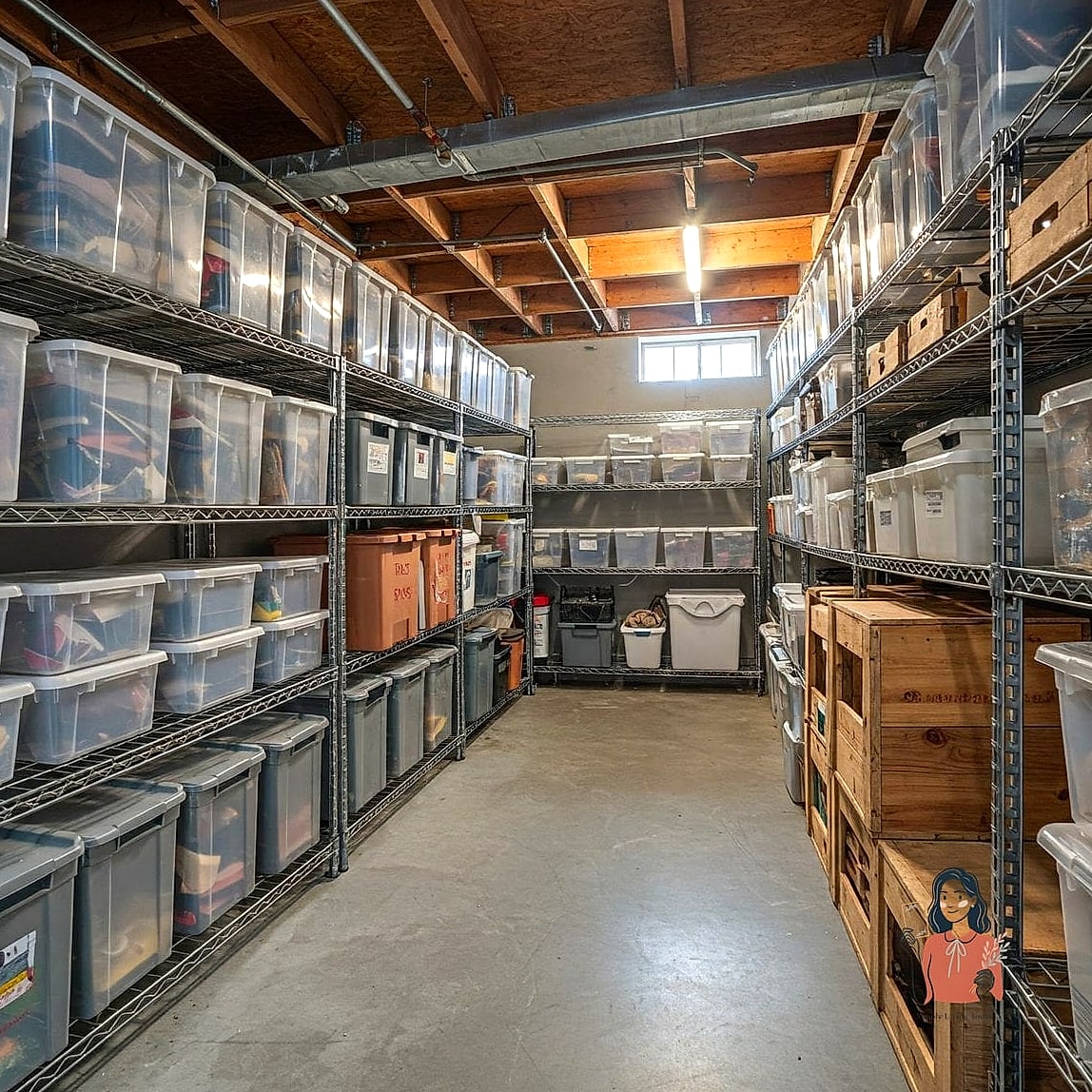
Instead of letting donation items sit in random piles waiting for a trip to the drop-off center, set aside one bin or bag specifically for outgoing items. Once it’s full, load it into the car immediately rather than letting it linger. This keeps “maybe” items from quietly working their way back into storage.
Store Suitcases and Travel Gear Together
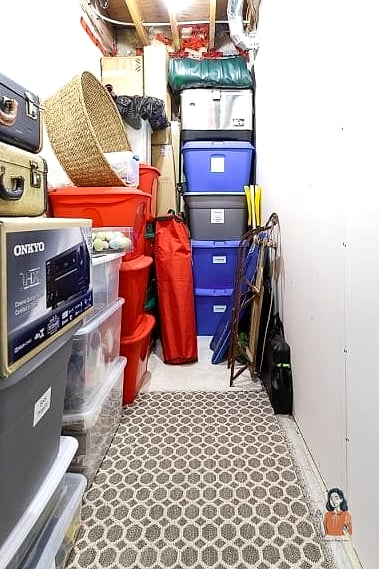
Luggage is bulky and awkward to store, so give it one consistent spot, ideally somewhere accessible near the stairs. Nest smaller suitcases inside larger ones to save space, and keep travel accessories like packing cubes or adapters in a small bin nearby. You’ll spend a lot less time hunting for a suitcase the night before a trip.
Set Up a Craft or Hobby Corner
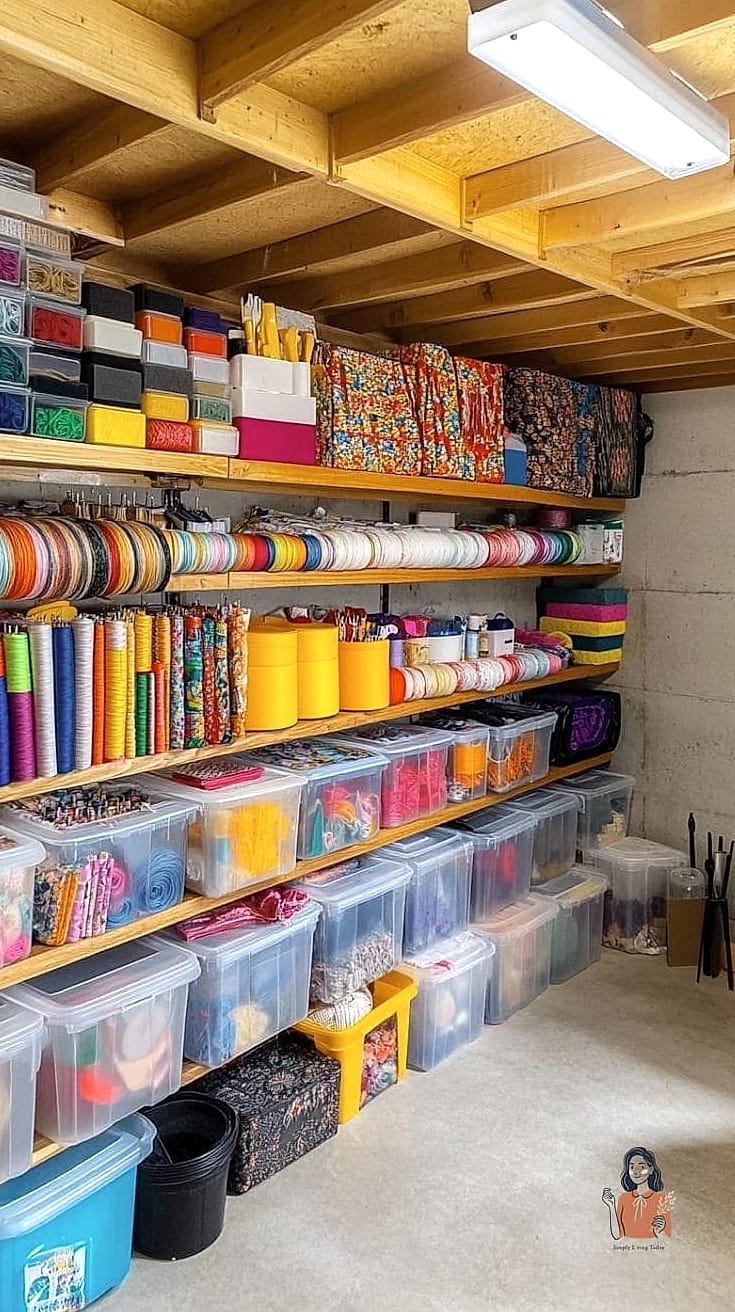
If you sew, paint, or work on other hobbies, a small dedicated table with nearby shelving keeps supplies contained instead of spread across the whole basement. Clear bins or a rolling cart work well for organizing materials by project or type. Having a defined space also makes it easier to actually sit down and work on a project.
Use Furniture With Built-In Storage
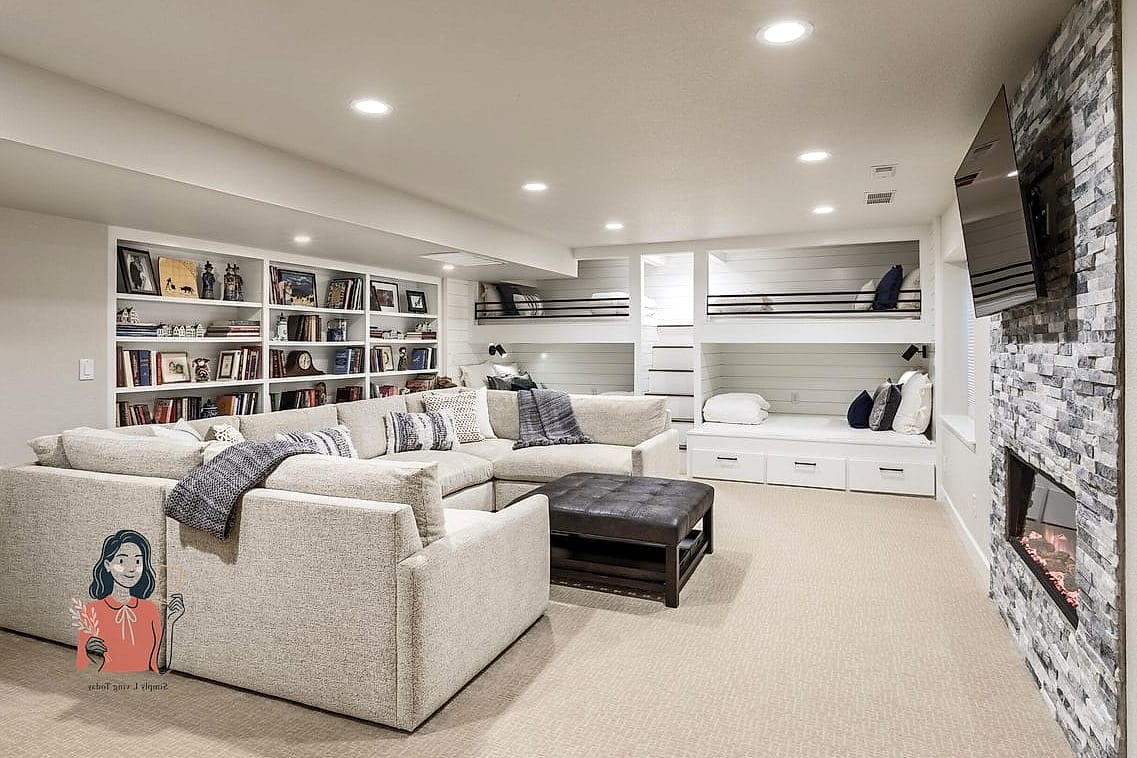
If part of your basement is a lounge or play area, ottomans, benches, and coffee tables with hidden storage let you tuck away blankets, games, or toys without adding extra shelving. It keeps the room looking finished rather than like an overflow closet. This works especially well in basements that double as a guest or hangout space.
Create a Toy Rotation System for Kids
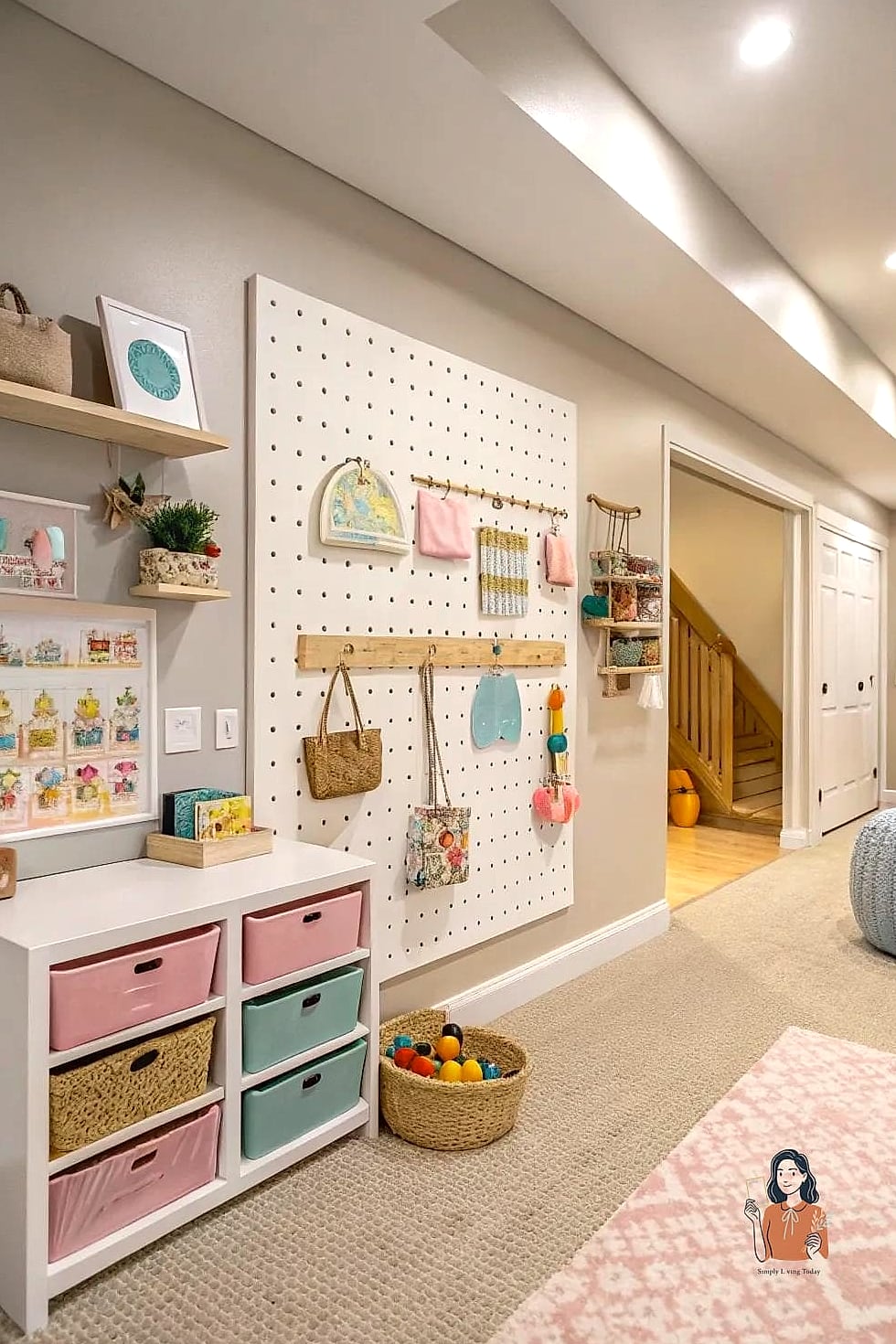
Rather than keeping every toy out at once, store a portion in labeled bins and rotate them every few weeks. Kids tend to engage more with toys that feel “new” again, and it naturally keeps the play area from becoming overwhelming. Clear bins with picture labels work well for younger kids who can’t read yet.
Keep a Basement Inventory List
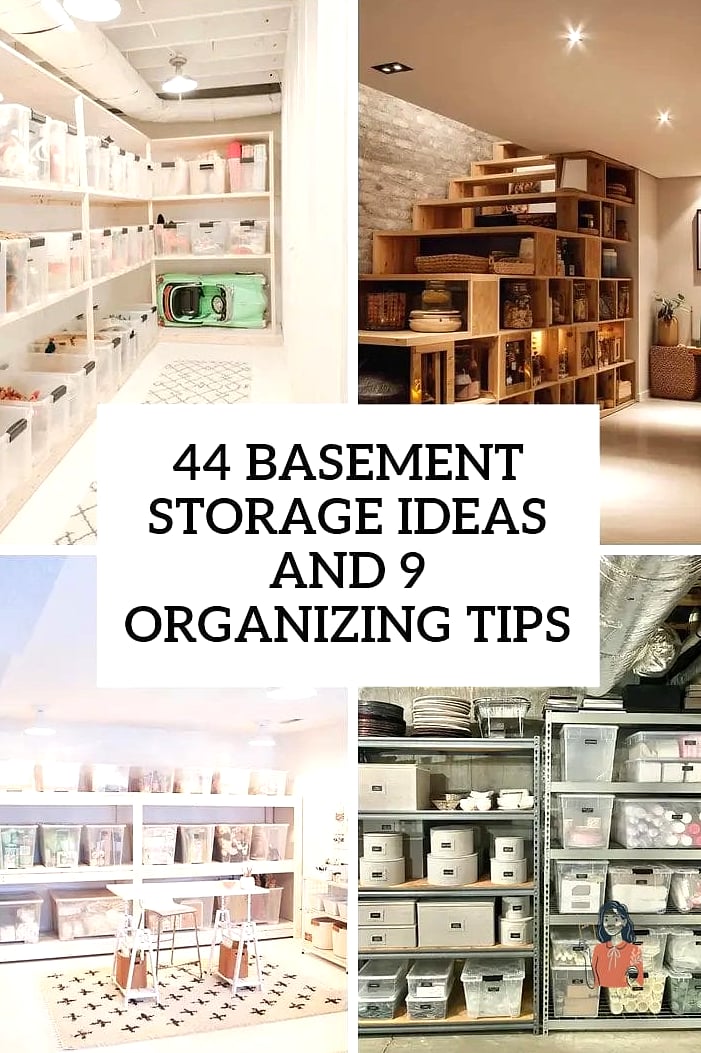
Once everything has a place, keep a simple list or spreadsheet of what’s stored where, especially for rarely used items like extra furniture, archived documents, or specialty equipment. It sounds like an extra step, but it saves real time later when you’re trying to remember if you actually kept something. Update it whenever you do a seasonal rotation so it stays accurate.
Reclaiming a basement rarely happens in one weekend, and that’s okay. Pick a few of these ideas that match your biggest pain points, whether that’s holiday clutter, tool chaos, or simply not being able to see the floor, and build from there. Once a few solid systems are in place, keeping the space organized becomes a lot easier than getting it there in the first place.