22 Smart Medicine Cabinet Organization Ideas You Need Right Now
- Start With a Full Purge
- Sort Into Clear Categories
- Use Stackable Clear Bins
- Add a Lazy Susan for Deep Shelves
- Install a Tiered Shelf Riser
- Label Everything Clearly
- Store Medications by Frequency of Use
- Use a Door-Mounted Organizer
- Separate Adult and Children’s Medicine
- Create a Dedicated First Aid Zone
- Use Small Baskets for Loose Items
- Add a Magnetic Strip for Metal Tools
- Rotate Seasonal Items Out
- Use a Pill Organizer for Weekly Meds
- Keep a Small Notepad for Refill Reminders
- Store Liquids Separately From Pills
- Use Drawer Dividers for Under-Sink Storage
- Add Under-Shelf Baskets
- Keep an Emergency Kit Separate
- Store Prescriptions in Original Containers
- Use Small Trays for Daily Essentials
- Do a Quarterly Mini-Check
Thought for 2s
22 Smart Medicine Cabinet Organization Ideas You Need Right Now
If you’ve ever dug through a jumbled pile of half-empty bottles looking for the one allergy pill that actually works, you already know why medicine cabinet organization matters. It’s one of those small home projects that takes an afternoon but pays off every single day after. Below are 22 practical, doable ideas to help you turn that chaotic little cabinet into something you actually enjoy opening.
Start With a Full Purge

Before you organize anything, empty the entire cabinet onto your counter. Check expiration dates on every bottle, tube, and blister pack, and toss anything expired, unlabeled, or half-used and forgotten. This step alone usually clears out a third of what’s in there. It’s not glamorous, but it’s the foundation everything else builds on.
Sort Into Clear Categories
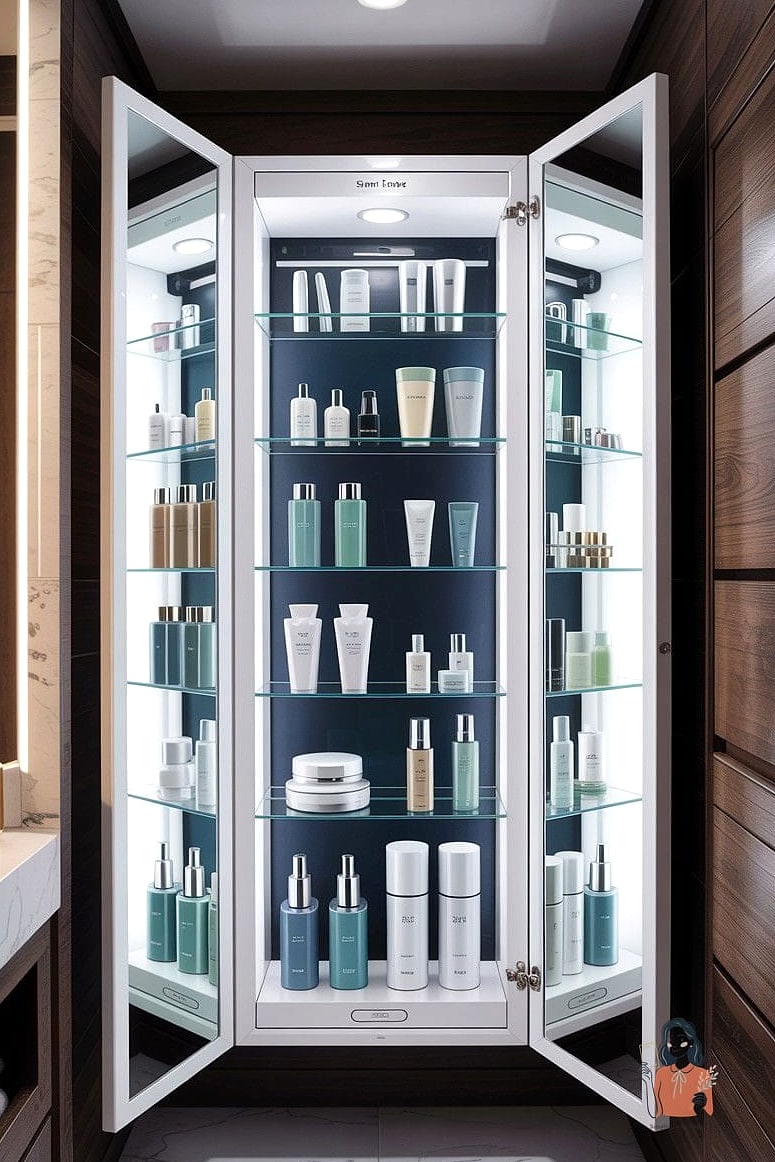
Group everything into simple categories: pain relief, cold and allergy, digestive, first aid, skincare, and vitamins. Once you can see how much you actually have in each group, it’s much easier to decide how to store it. This also helps you notice duplicates, like three nearly-empty bottles of the same allergy medicine.
Use Stackable Clear Bins
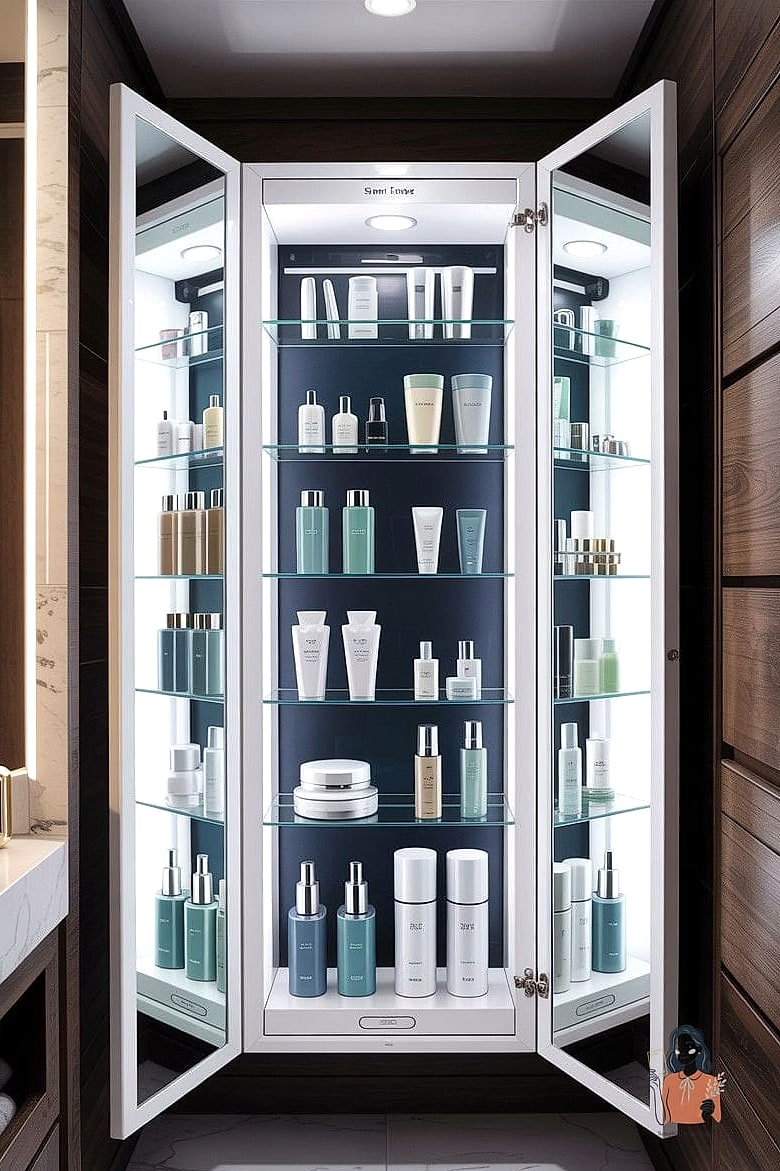
Clear acrylic or plastic bins let you see contents at a glance without pulling everything out. Assign one bin per category and label the front. This works well for cabinets with adjustable shelves since you can rearrange bins as your needs change.
Add a Lazy Susan for Deep Shelves
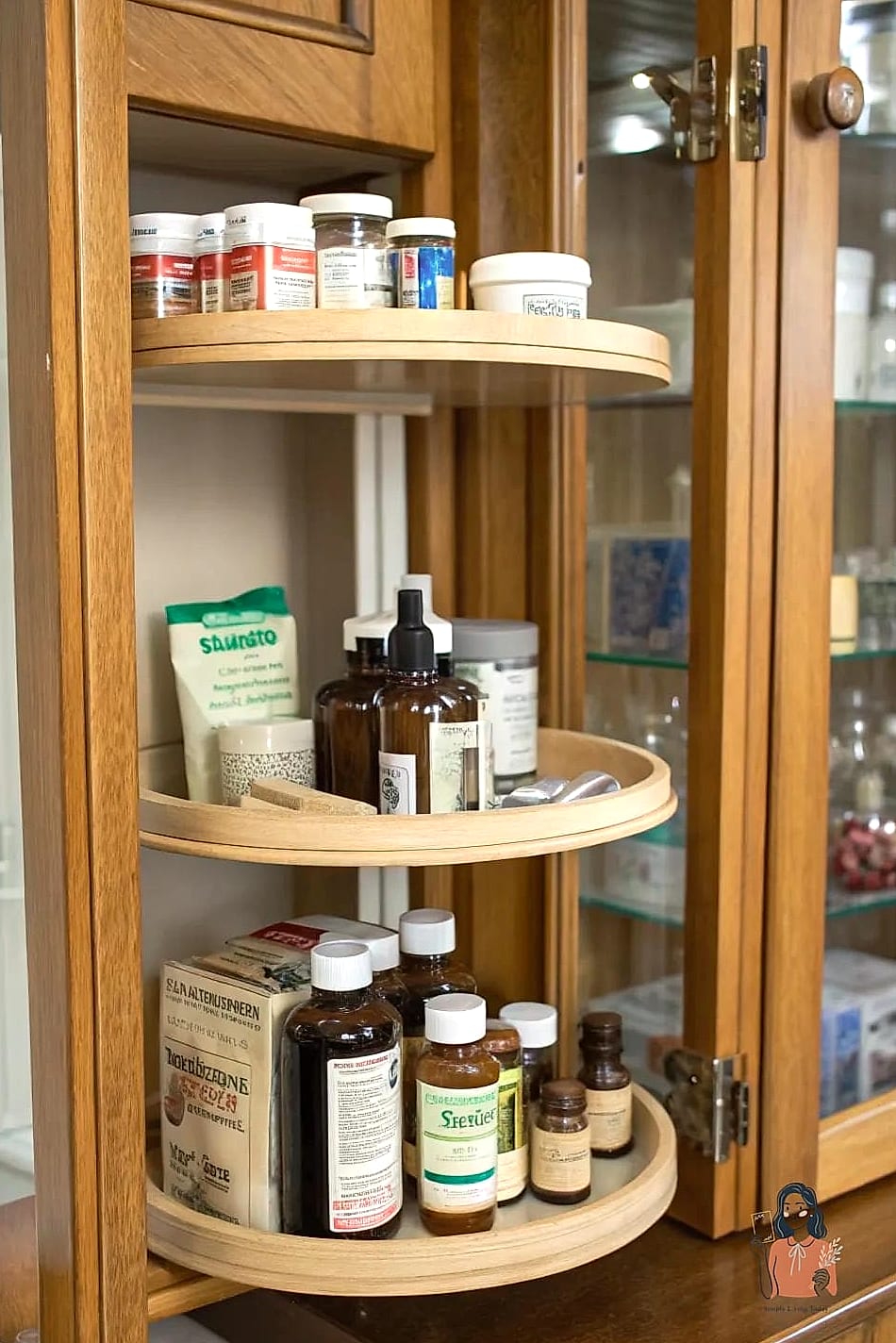
If your cabinet has a deep shelf where things get lost in the back, a small turntable solves that instantly. Spin instead of dig. This is especially useful for taller bottles and tubes that tend to fall over and roll around.
Install a Tiered Shelf Riser
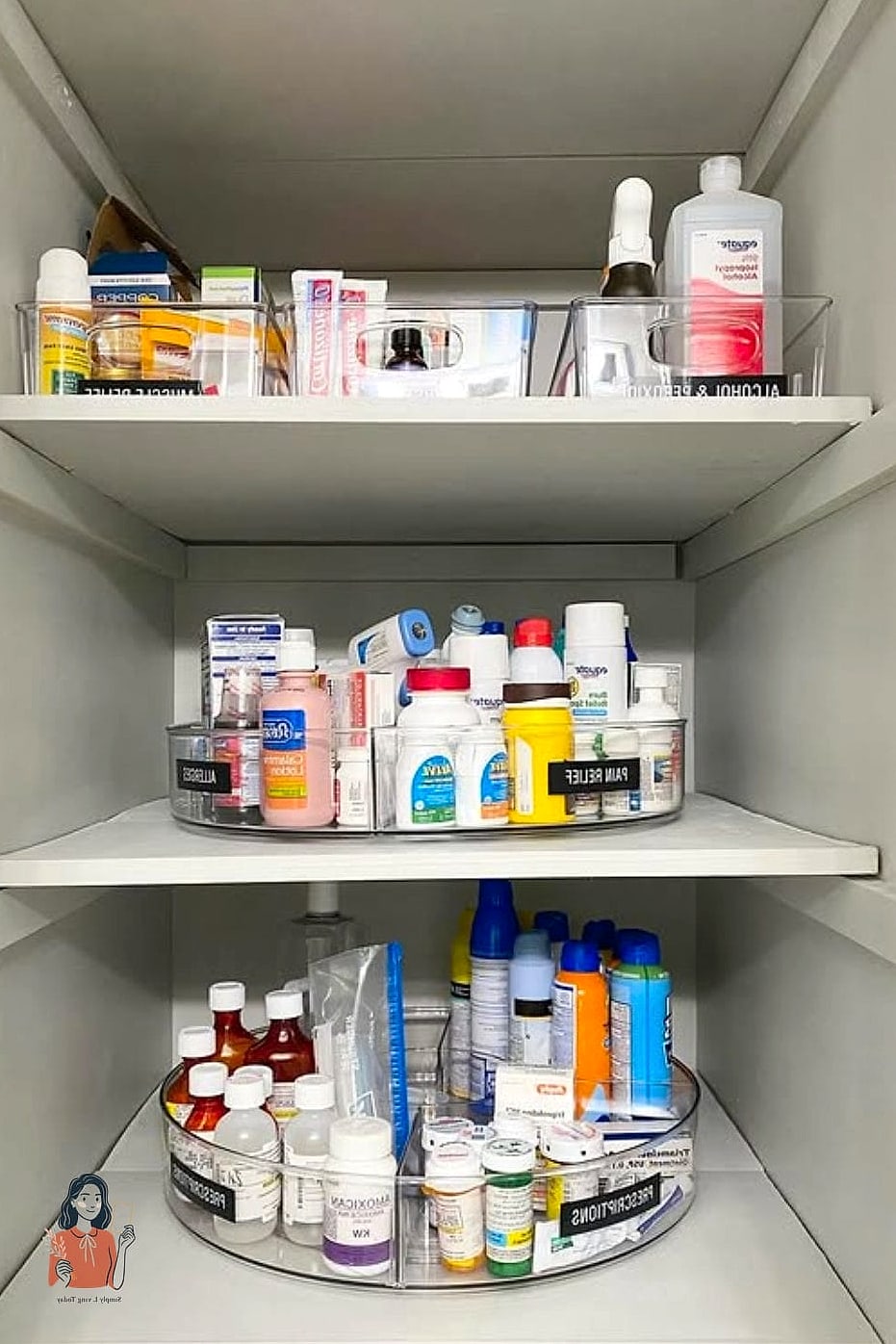
A tiered riser lets you see everything on a shelf at once instead of just the front row. This is a simple, affordable upgrade that makes a huge visual difference, especially for smaller medications and vitamin bottles that get buried behind taller items.
Label Everything Clearly
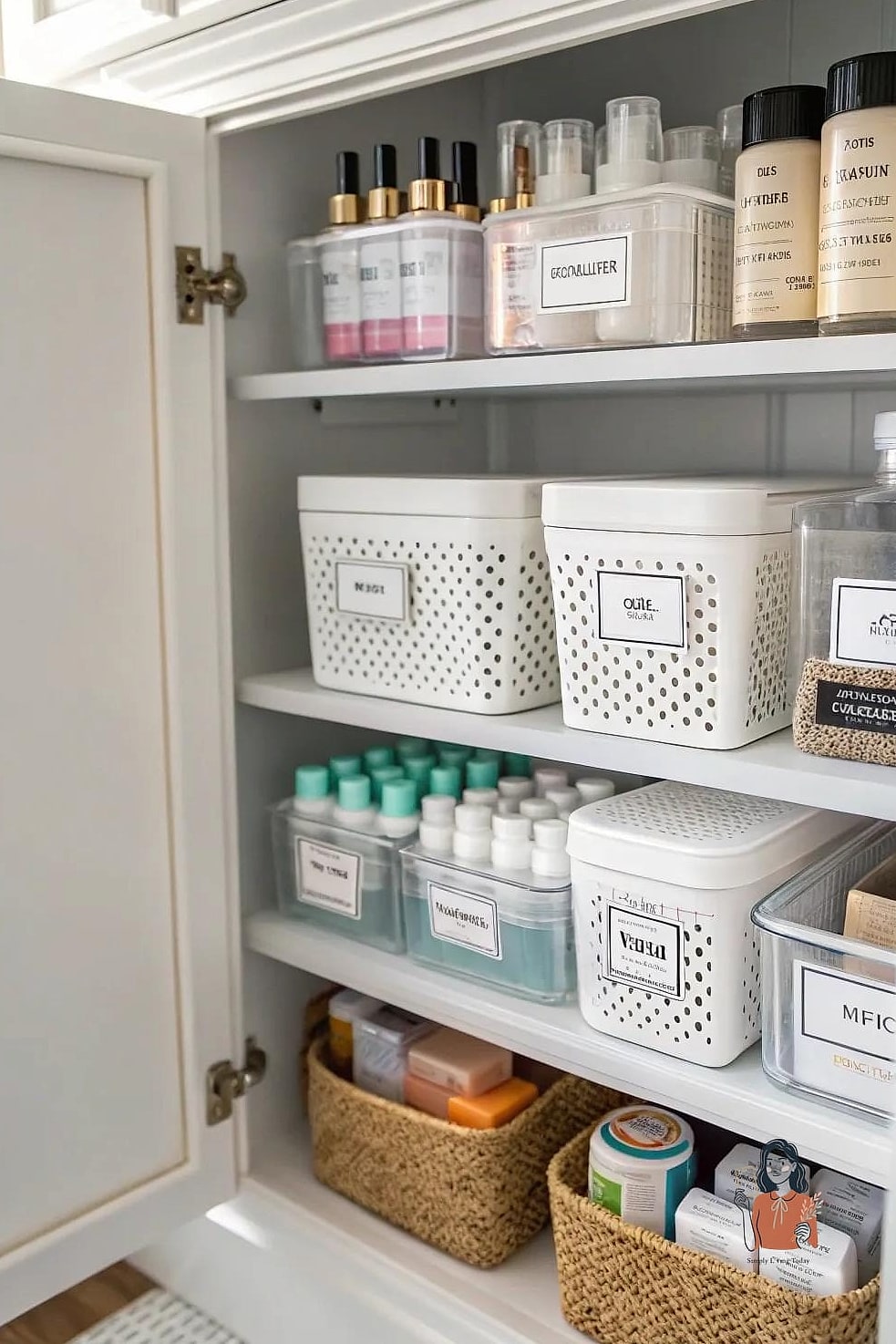
A basic label maker or even masking tape and a marker makes a real difference. Label bins by category and, if you share the cabinet with family, consider labeling individual shelves by person. This cuts down on the “whose is this” confusion fast.
Store Medications by Frequency of Use

Keep daily medications and vitamins at eye level, front and center. Items you reach for occasionally, like cold medicine or motion sickness pills, can go on a lower or higher shelf. Rarely used items, like an old prescription you’re keeping just in case, belong in the back.
Use a Door-Mounted Organizer
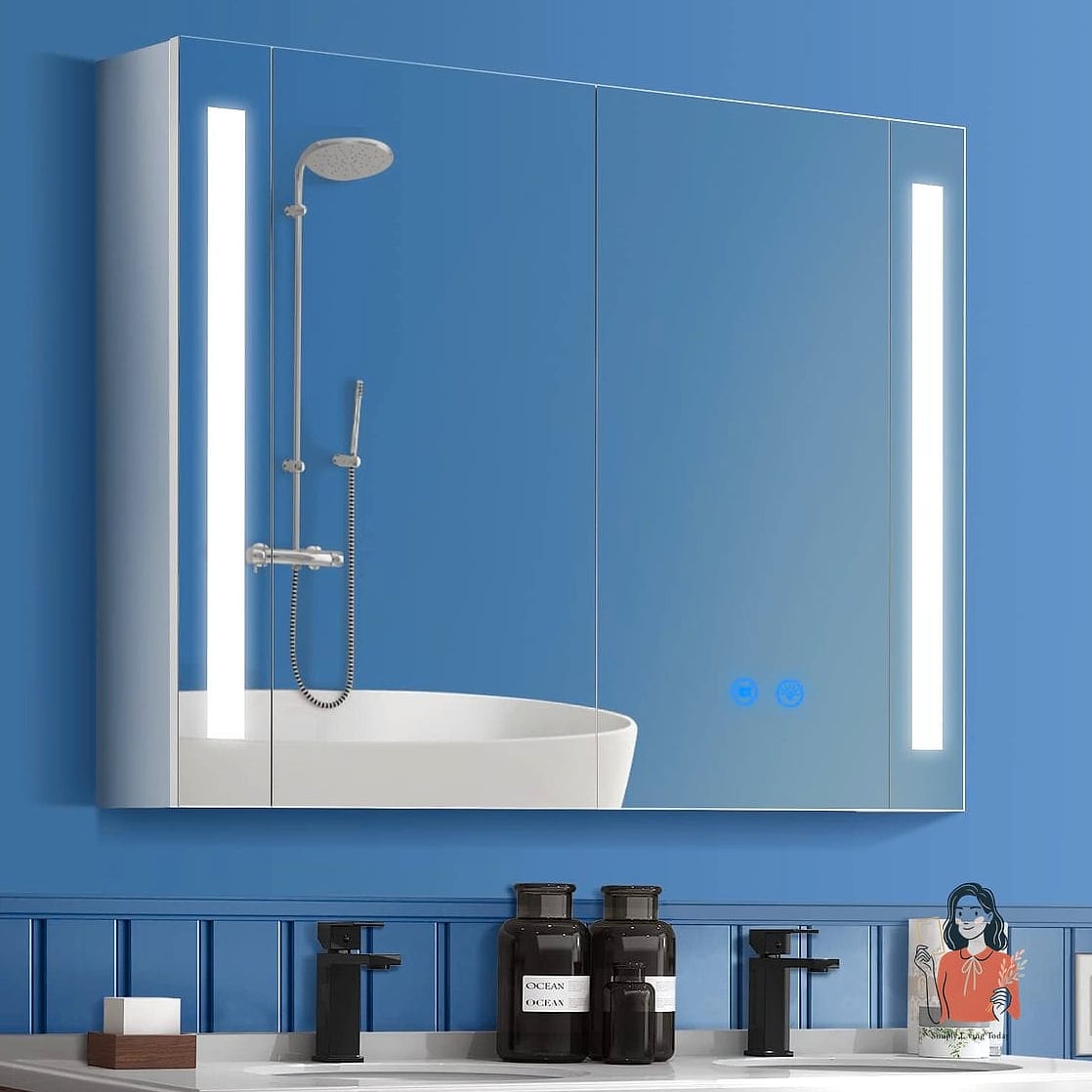
The inside of the cabinet door is often wasted space. A slim door-mounted rack or adhesive pockets can hold thermometers, tweezers, nail clippers, and other small items you’d otherwise lose in a drawer.
Separate Adult and Children’s Medicine

If you have kids, keeping their medications in a distinct, clearly labeled section prevents mix-ups and saves time during a middle-of-the-night fever. Some parents prefer keeping children’s medicine in a separate lockable box entirely, especially with toddlers around.
Create a Dedicated First Aid Zone

Bandages, antiseptic wipes, gauze, and antibiotic ointment should live together in one spot, ideally in a small labeled pouch or box you can grab quickly. When there’s an actual cut or scrape happening, you don’t want to be searching shelf by shelf.
Use Small Baskets for Loose Items
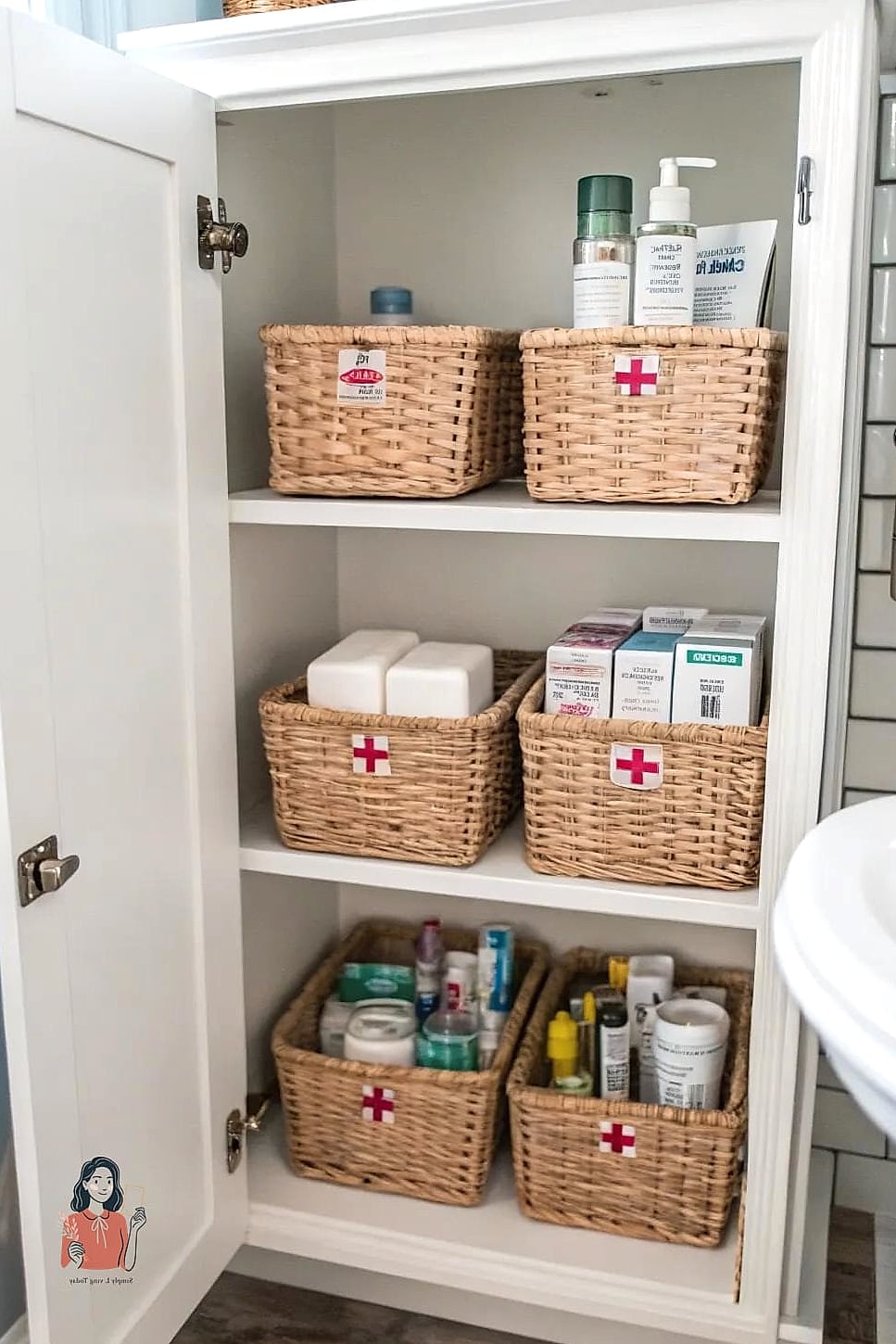
Cotton balls, cotton swabs, nail files, and other small loose items tend to scatter and clutter shelves. A few small woven or plastic baskets keep these corralled and easy to pull out without spilling everything else.
Add a Magnetic Strip for Metal Tools
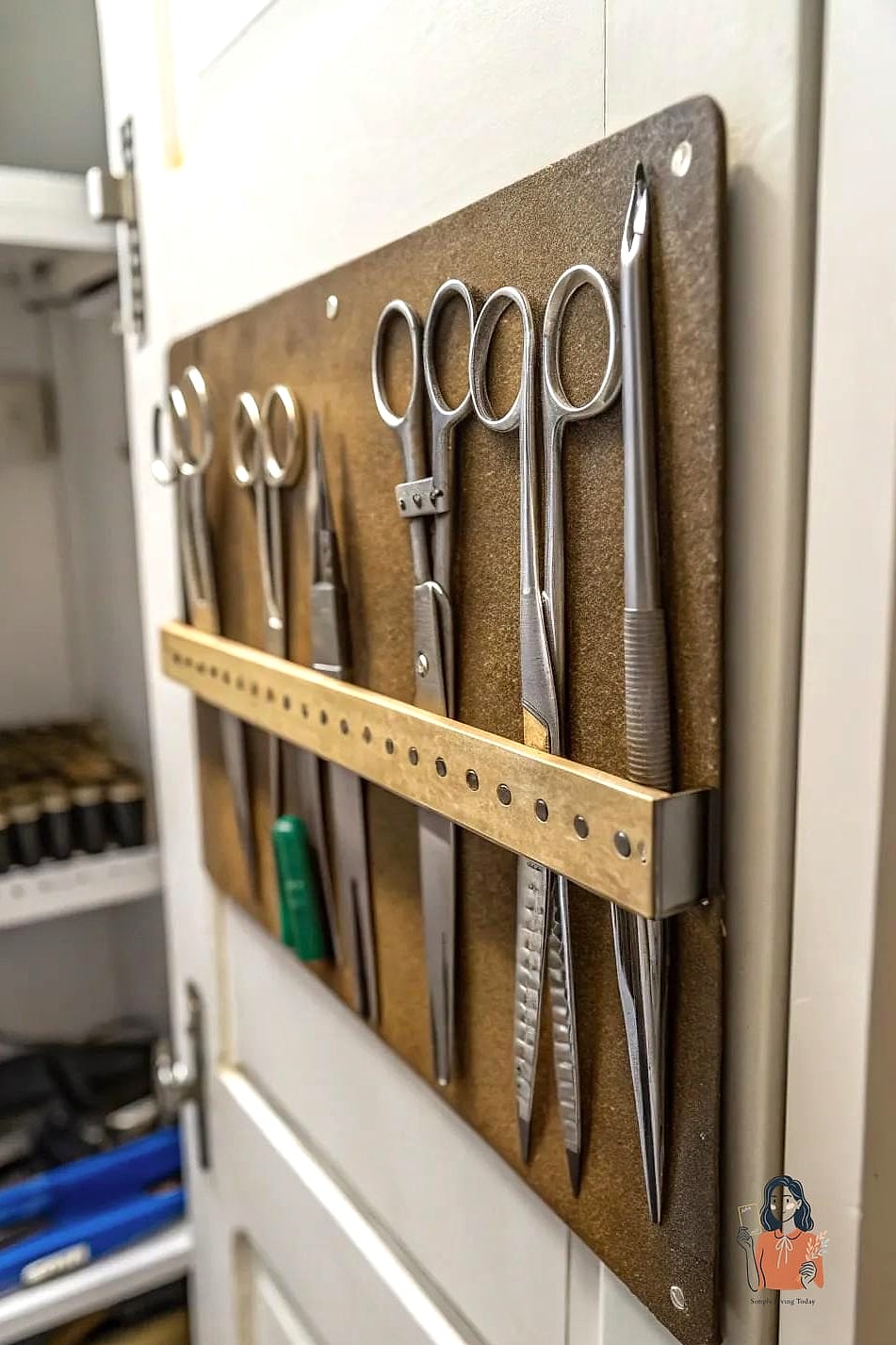
Tweezers, nail clippers, and small scissors can be held on a slim magnetic strip mounted inside the cabinet. It keeps sharp tools visible and accessible instead of buried loose in a drawer where they’re easy to forget about.
Rotate Seasonal Items Out
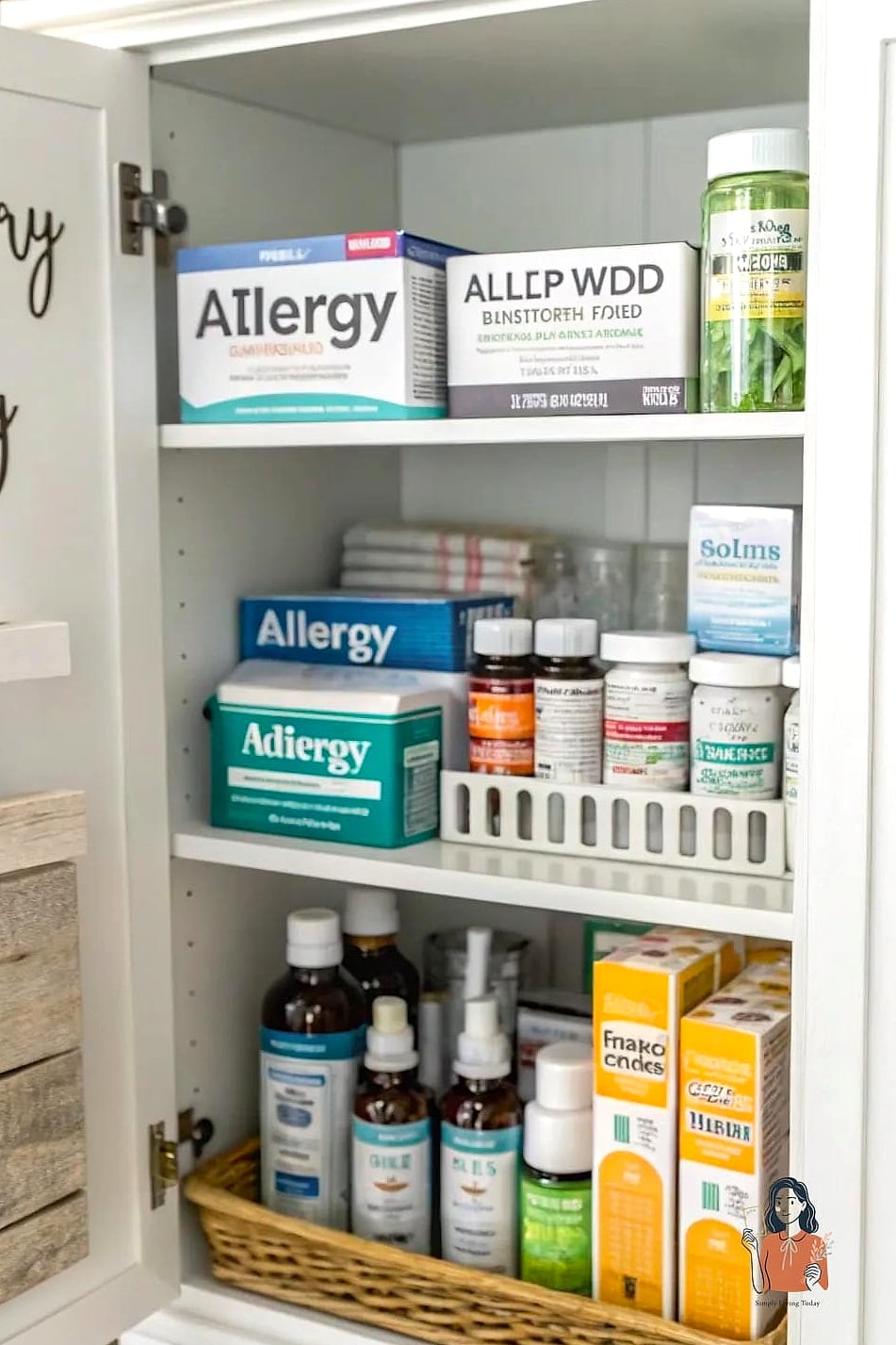
Allergy medications, sunscreen, and cold remedies often get heavy use in specific seasons. Store off-season items in a separate labeled bin in a closet, then swap them back in when needed. This frees up prime cabinet space year-round for what you’re actually using.
Use a Pill Organizer for Weekly Meds

If you or a family member takes daily medication, a labeled weekly pill organizer keeps the cabinet tidier and makes it easy to confirm doses have been taken. Store it on its own designated shelf spot so it’s not shuffled around.
Keep a Small Notepad for Refill Reminders

Tape a small notepad or dry-erase card to the inside of the door. When you’re down to your last dose of something, jot it down immediately instead of relying on memory. It’s a small habit that prevents that annoying moment of realizing you’re out at 11pm.
Store Liquids Separately From Pills
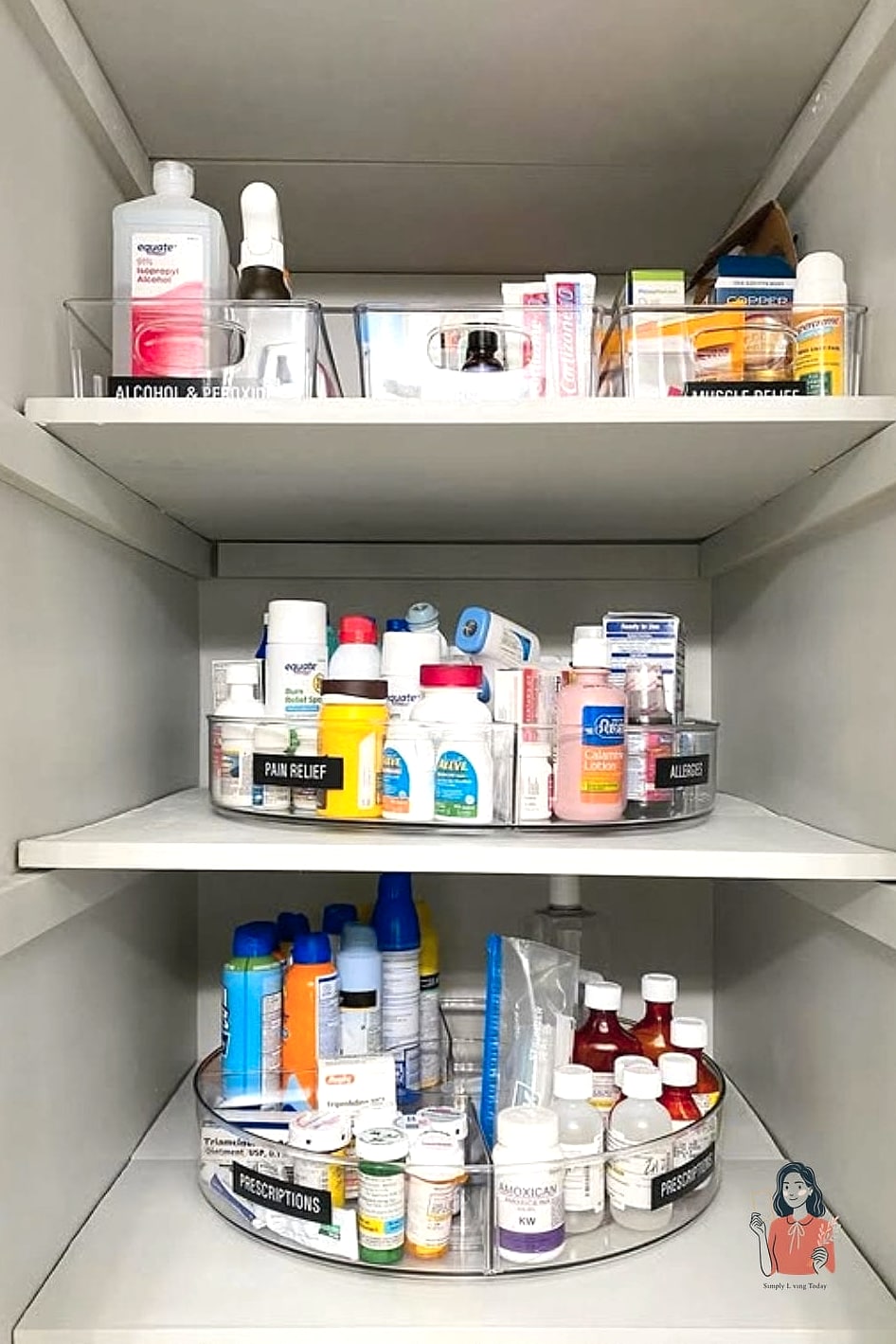
Liquid medications and ointments can leak or get sticky, so keeping them on a designated shelf or in a small tray protects everything else nearby. A wipeable tray also makes cleanup much easier if something does spill.
Use Drawer Dividers for Under-Sink Storage
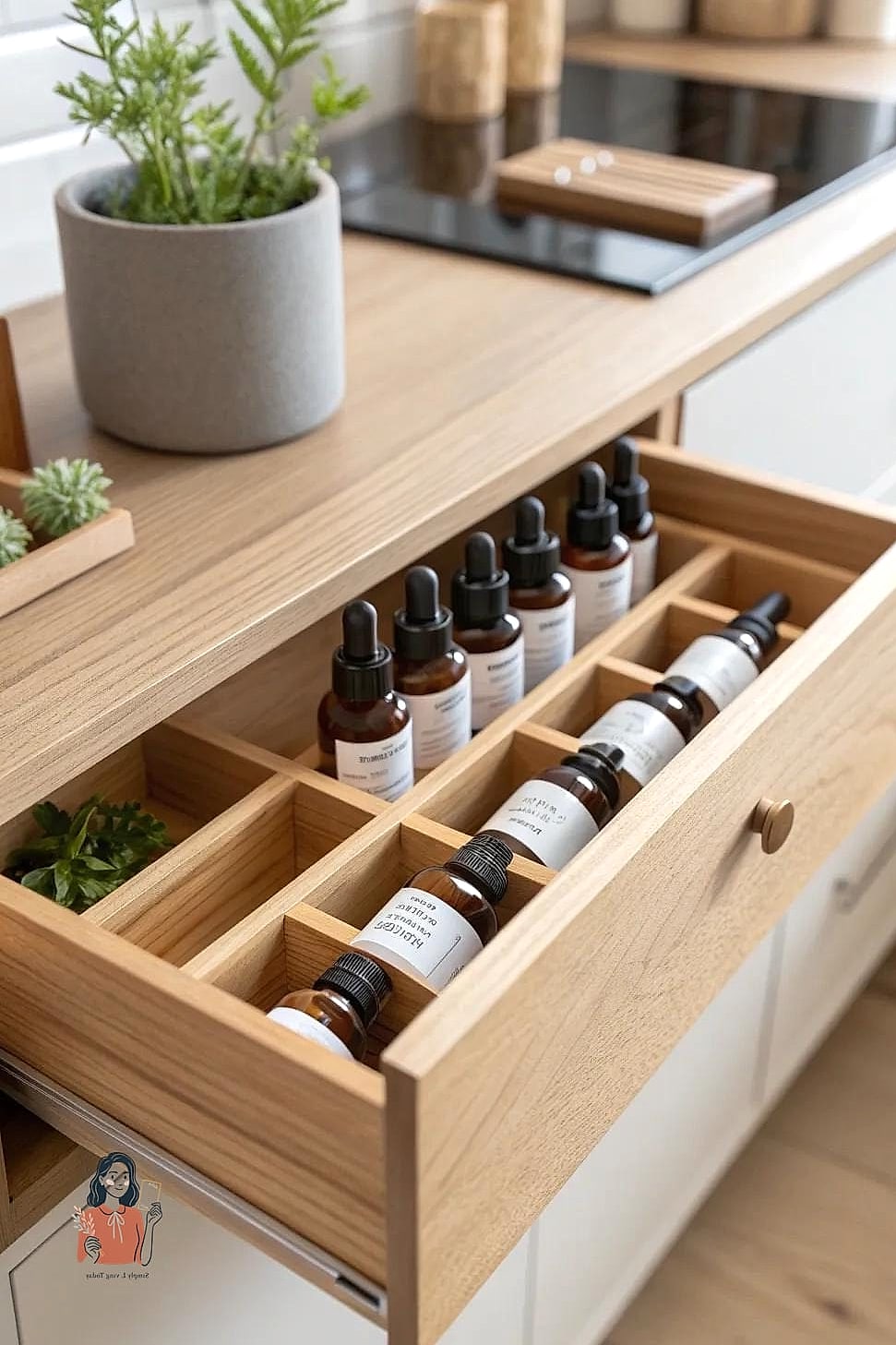
If your setup includes a cabinet below the sink rather than a traditional mirror cabinet, dividers or small bins keep bulkier items like heating pads, first aid kits, and extra toiletries from becoming one big pile.
Add Under-Shelf Baskets

Wire or mesh baskets that hang beneath an existing shelf essentially double your storage without adding bulk. These work well for holding extra travel-size items or backup supplies you don’t need front and center.
Keep an Emergency Kit Separate
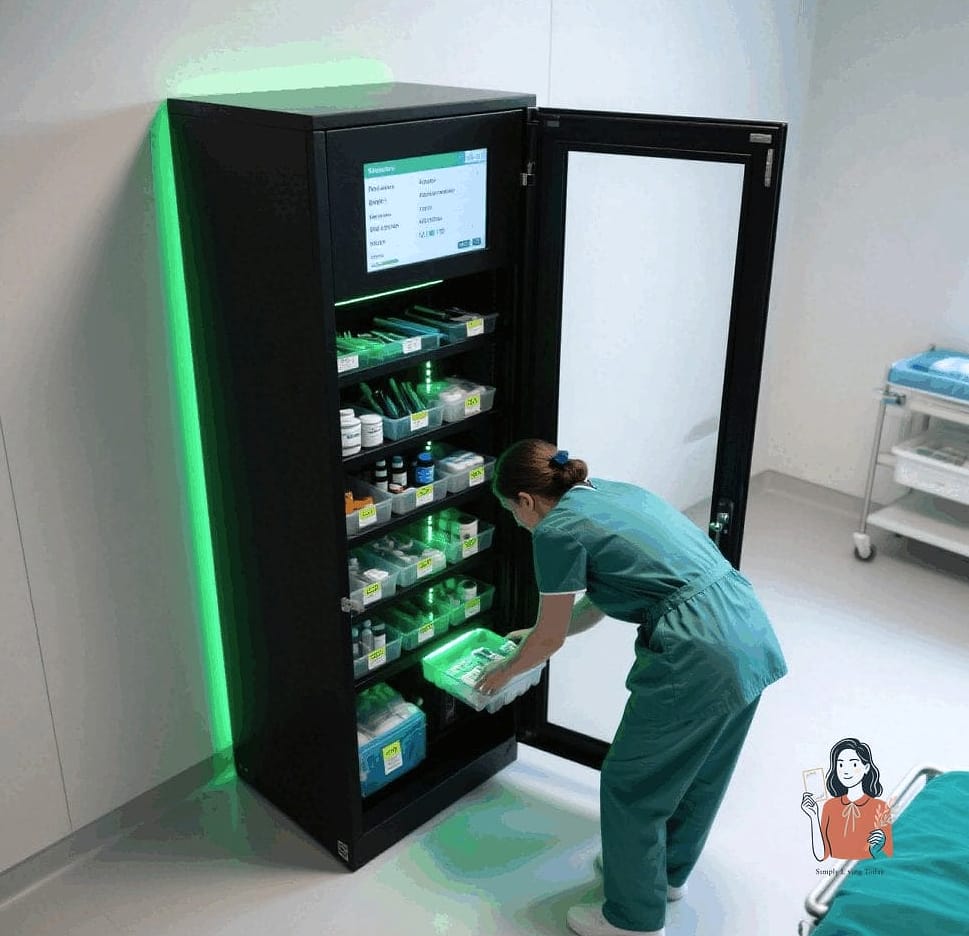
Rather than mixing everyday items with emergency supplies, keep items like emergency contact info, a spare inhaler, or epinephrine auto-injector in their own clearly marked spot everyone in the household knows about.
Store Prescriptions in Original Containers

It’s tempting to consolidate pill bottles, but keeping medications in their original labeled containers matters for dosage instructions and safety, especially in a household with multiple people using the cabinet.
Use Small Trays for Daily Essentials
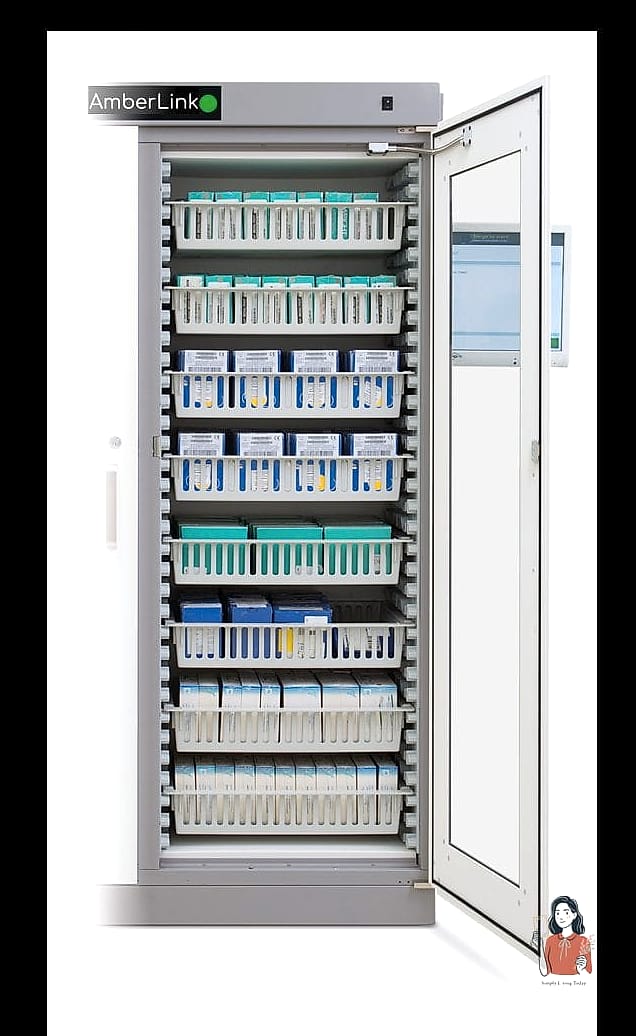
A shallow tray on one shelf can hold the handful of items you use every single morning, like contact solution, daily vitamins, or a specific cream. Having them corralled in one spot means less searching during your morning routine.
Do a Quarterly Mini-Check

Once your system is set up, a quick five-minute check every few months keeps it that way. Toss expired items, restock the notepad list, and straighten bins before things pile back up. This is far easier than a full reorganization down the line.
Setting up a system like this doesn’t have to happen all in one exhausting weekend. Even tackling two or three of these ideas at a time will make a noticeable difference in how your cabinet functions day to day. The real win isn’t just a tidier-looking shelf, it’s not having to dig through clutter the next time someone in your house has a headache or a scraped knee.