28 Helpful Grocery List Ideas Worth Pinning Right Now
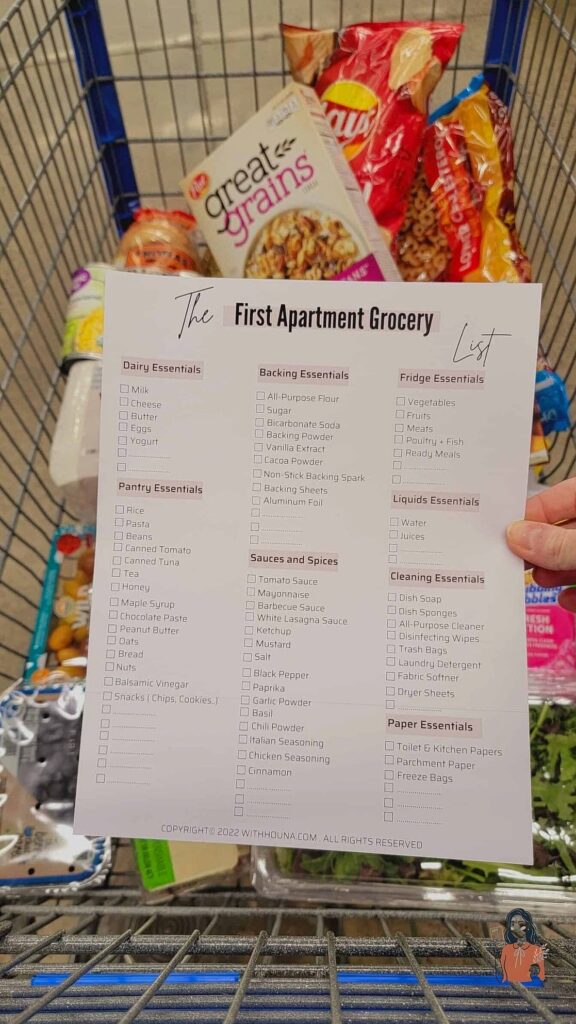
- 1. The Classic Weekly Grocery List
- 2. The Meal-Plan Grocery List
- 3. The Budget-Friendly Grocery List
- 4. The Healthy Grocery List
- 5. The Family Grocery List
- 6. The Meal Prep Grocery List
- 7. The Pantry Restock List
- 8. The Fresh Produce List
- 9. The Freezer-Friendly Grocery List
- 10. The Breakfast Grocery List
- 11. The Lunchbox Grocery List
- 12. The Dinner Shortcut List
- 13. The Snack Station List
- 14. The Party Grocery List
- 15. The Game Night Grocery List
- 16. The Kids’ Birthday Party List
- 17. The Potluck Grocery List
- 18. The Holiday Dinner Grocery List
- 19. The Baking Grocery List
- 20. The Picnic Grocery List
- 21. The Camping Grocery List
- 22. The Dorm Room Grocery List
- 23. The New Home Grocery List
- 24. The Emergency Backup Grocery List
- 25. The Seasonal Grocery List
- 26. The No-Waste Grocery List
- 27. The Store-Layout Grocery List
- 28. The Master Grocery List
- Final Thoughts
28 Helpful Grocery List Ideas Worth Pinning Right Now
A good grocery list can make the difference between a quick, focused shopping trip and wandering every aisle wondering why you came in. I’ve found that the best lists aren’t simply collections of food. They’re little planning systems that match the way you actually eat, cook, host, and live.
These 28 grocery list ideas are designed for different situations, from weekly family shopping to meal prep, parties, holidays, and those weeks when the budget needs a little extra attention. Save your favorites, mix a few together, and make your next shopping trip much less chaotic.
1. The Classic Weekly Grocery List
Start with the simplest format: produce, meat and seafood, dairy, pantry staples, frozen foods, snacks, and household supplies. Keeping the same categories each week makes it easier to scan the list before heading out.
This works especially well for families or couples who shop once a week. A notes app, printable grocery checklist, or paper pad is all you need.
For an easy upgrade, keep a running list on the refrigerator and add items as they run out instead of trying to remember everything on Saturday morning.
2. The Meal-Plan Grocery List
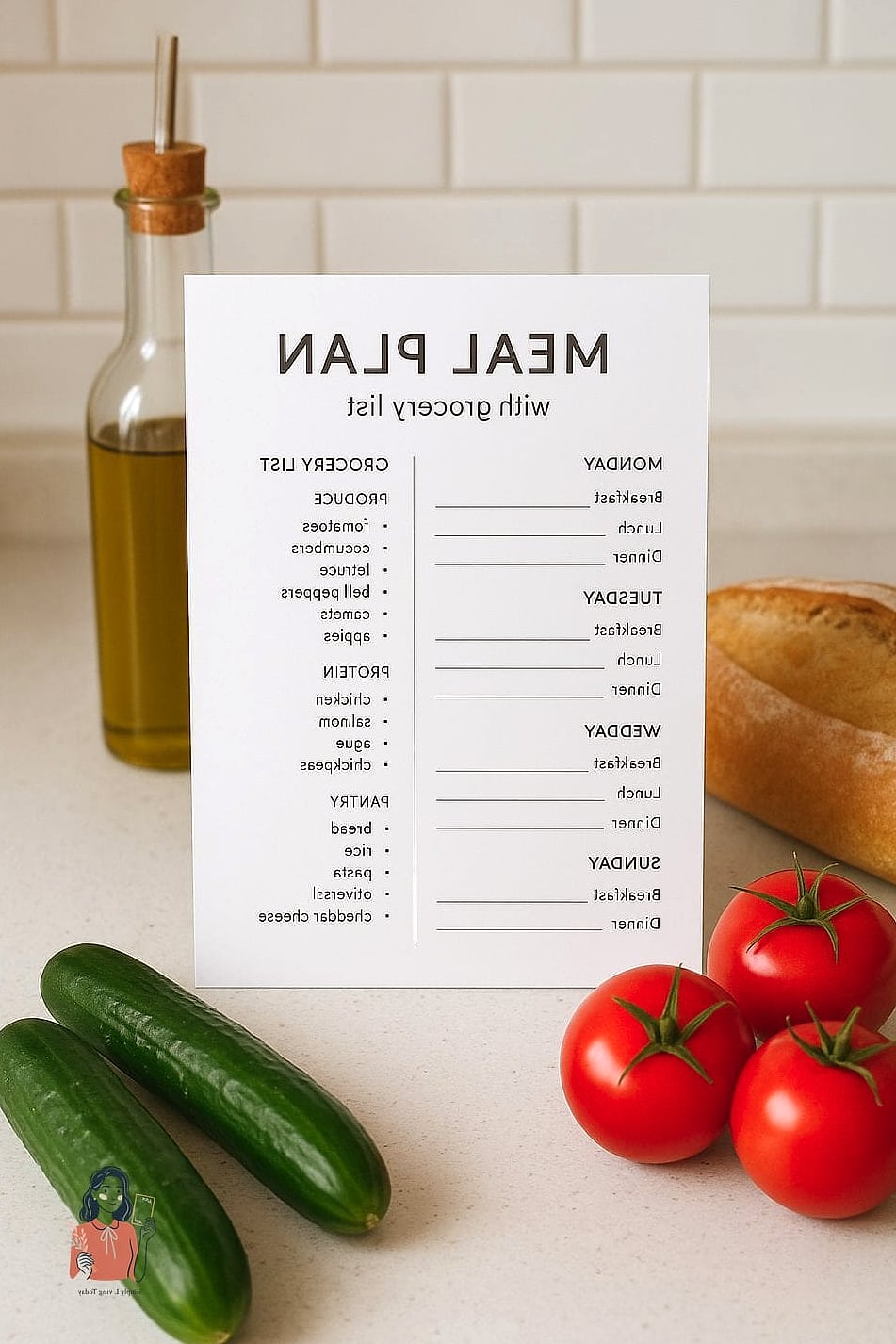
Plan five or six meals first, then build the grocery list from those recipes. Write down every ingredient, including small things such as broth, spices, cooking oil, or tortillas.
This is a great option for busy households because it reduces those frustrating “What are we having tonight?” conversations.
Give yourself one flexible night for leftovers or takeout. That keeps the plan realistic and prevents food from piling up in the refrigerator.
3. The Budget-Friendly Grocery List
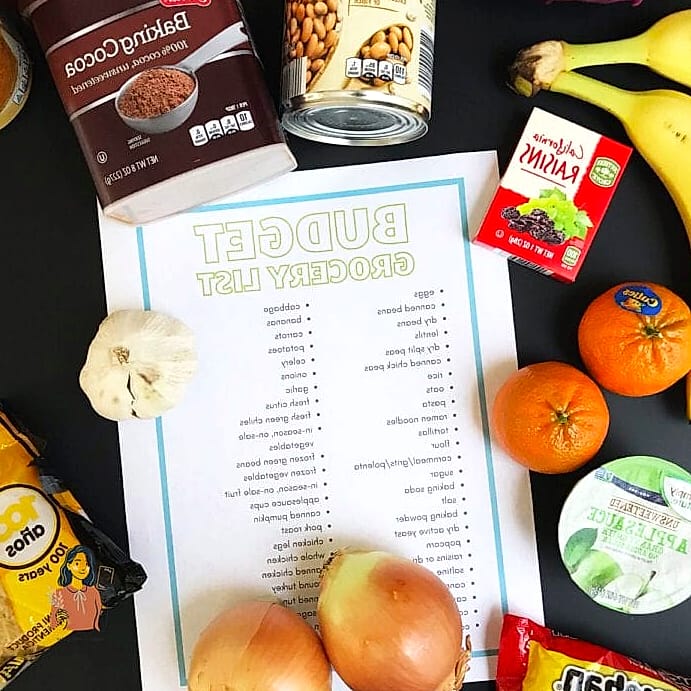
For a tighter grocery budget, organize your list around inexpensive staples such as beans, rice, pasta, potatoes, oats, eggs, seasonal produce, and frozen vegetables.
Check your pantry before shopping so you don’t accidentally buy your fourth bag of rice. Store-brand products and dollar-store kitchen supplies can also help stretch the budget.
A simple trick is to decide your spending limit before you leave home. It’s much easier to skip impulse purchases when the number is already in your head.
4. The Healthy Grocery List
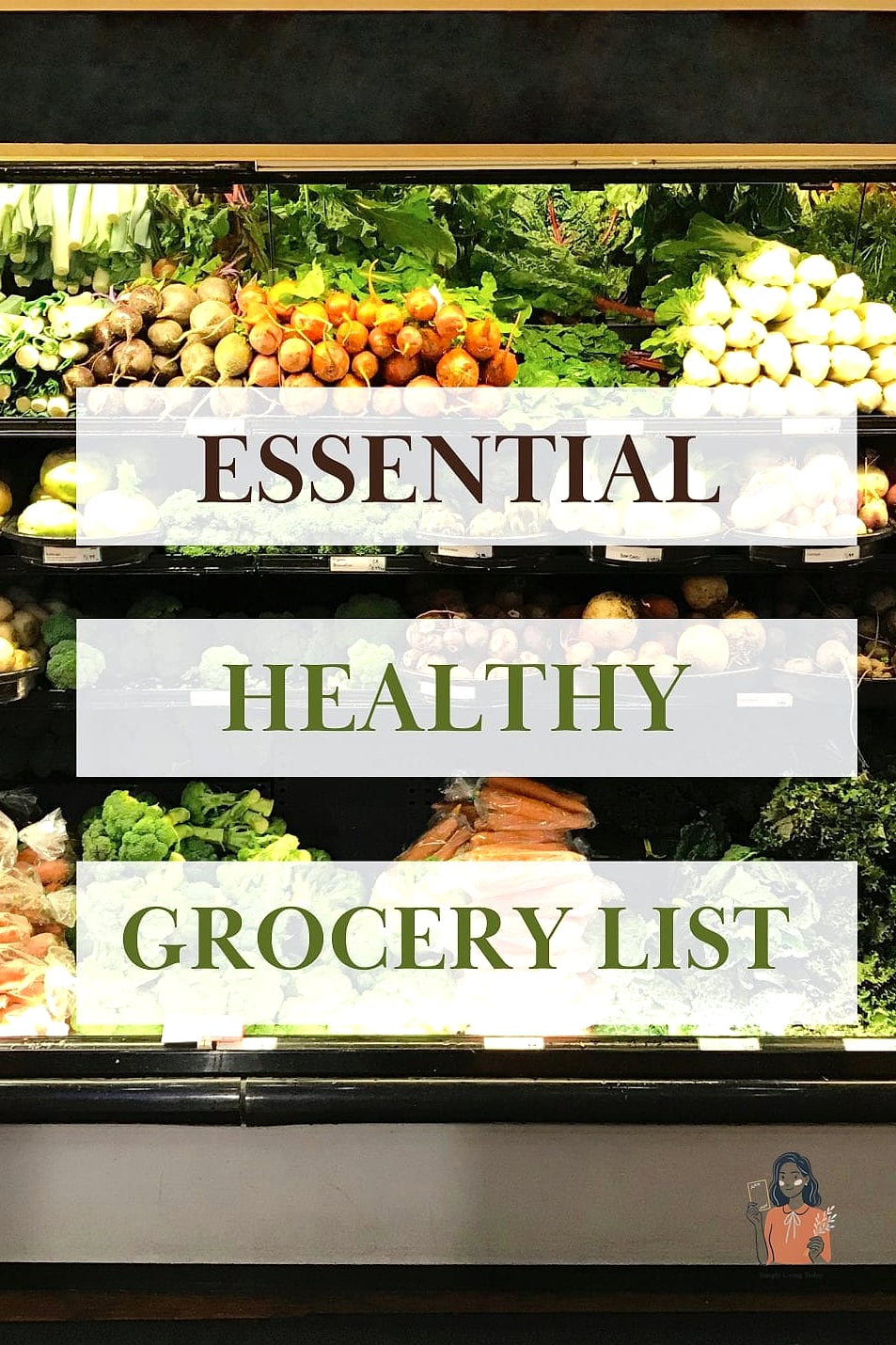
Build this list around foods you genuinely enjoy rather than creating a refrigerator full of “healthy” ingredients nobody wants to eat.
Include fresh or frozen vegetables, fruit, whole grains, eggs, yogurt, lean proteins, nuts, and easy snacks. Prewashed greens and frozen produce can be useful when convenience matters.
This list works for families, couples, and solo shoppers. Add a few quick meal ingredients so healthy eating doesn’t require an hour of cooking every evening.
5. The Family Grocery List
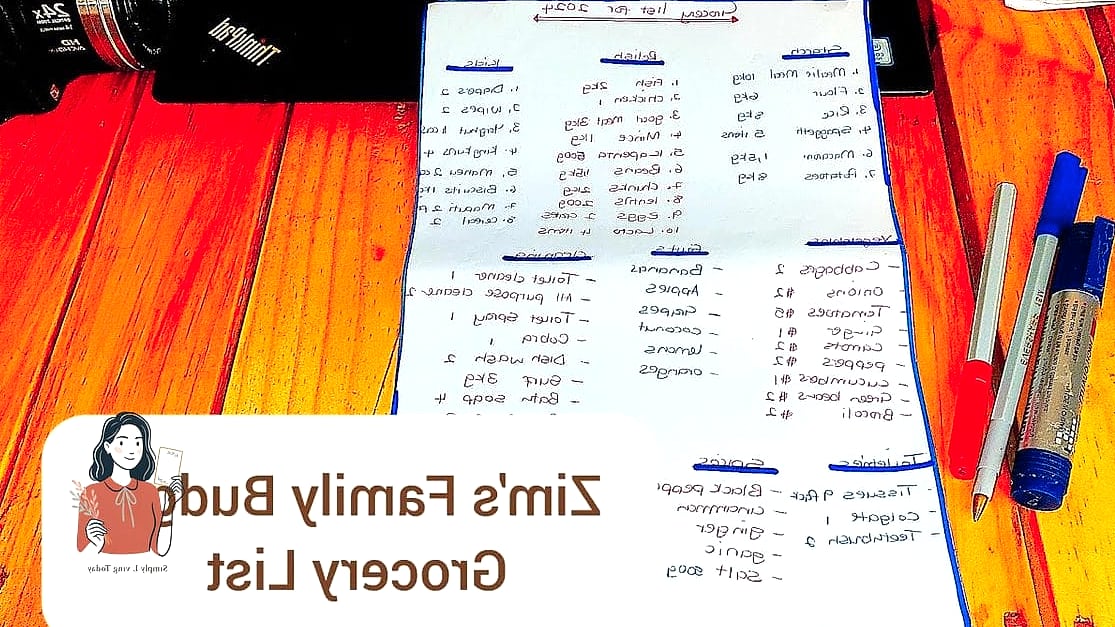
A family list needs a little flexibility. Divide it into breakfast foods, lunchbox items, dinner ingredients, snacks, drinks, and household basics.
For kids, consider adding a few simple choices they can prepare themselves, such as yogurt, fruit, cereal, cheese sticks, or sandwich ingredients.
Older children can even add items to the list themselves. A shared notes app makes this surprisingly easy and saves you from discovering an empty cereal box at breakfast.
6. The Meal Prep Grocery List
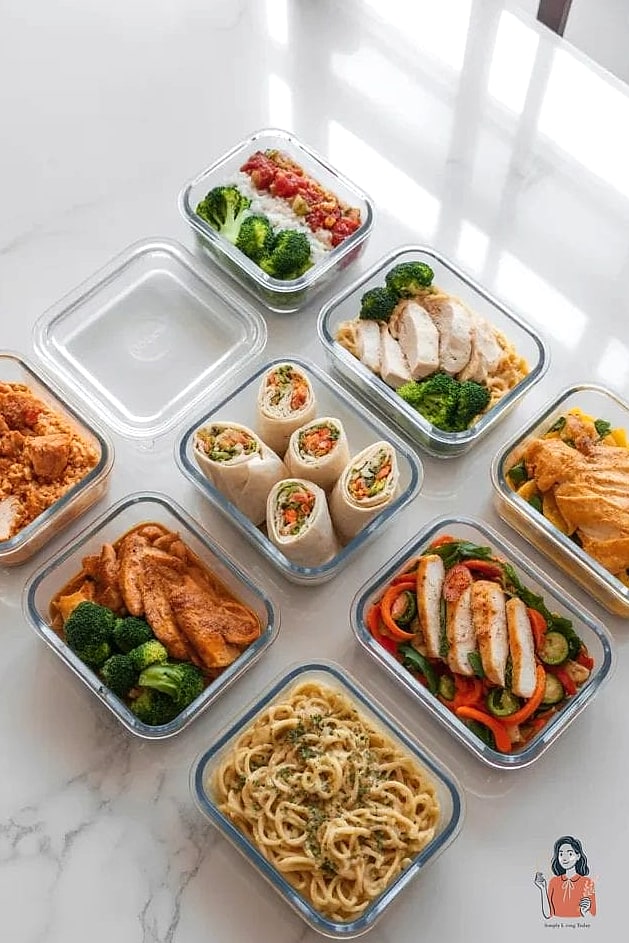
If Sunday is your meal-prep day, shop with several recipes in mind. Choose ingredients that can work across multiple meals, such as chicken, roasted vegetables, rice, greens, eggs, and versatile sauces.
This is especially useful for one- or two-person households because you can prepare several portions without buying a completely different ingredient list for every meal.
Reusable food containers, freezer bags, and labels make the finished meals easier to organize and store.
7. The Pantry Restock List
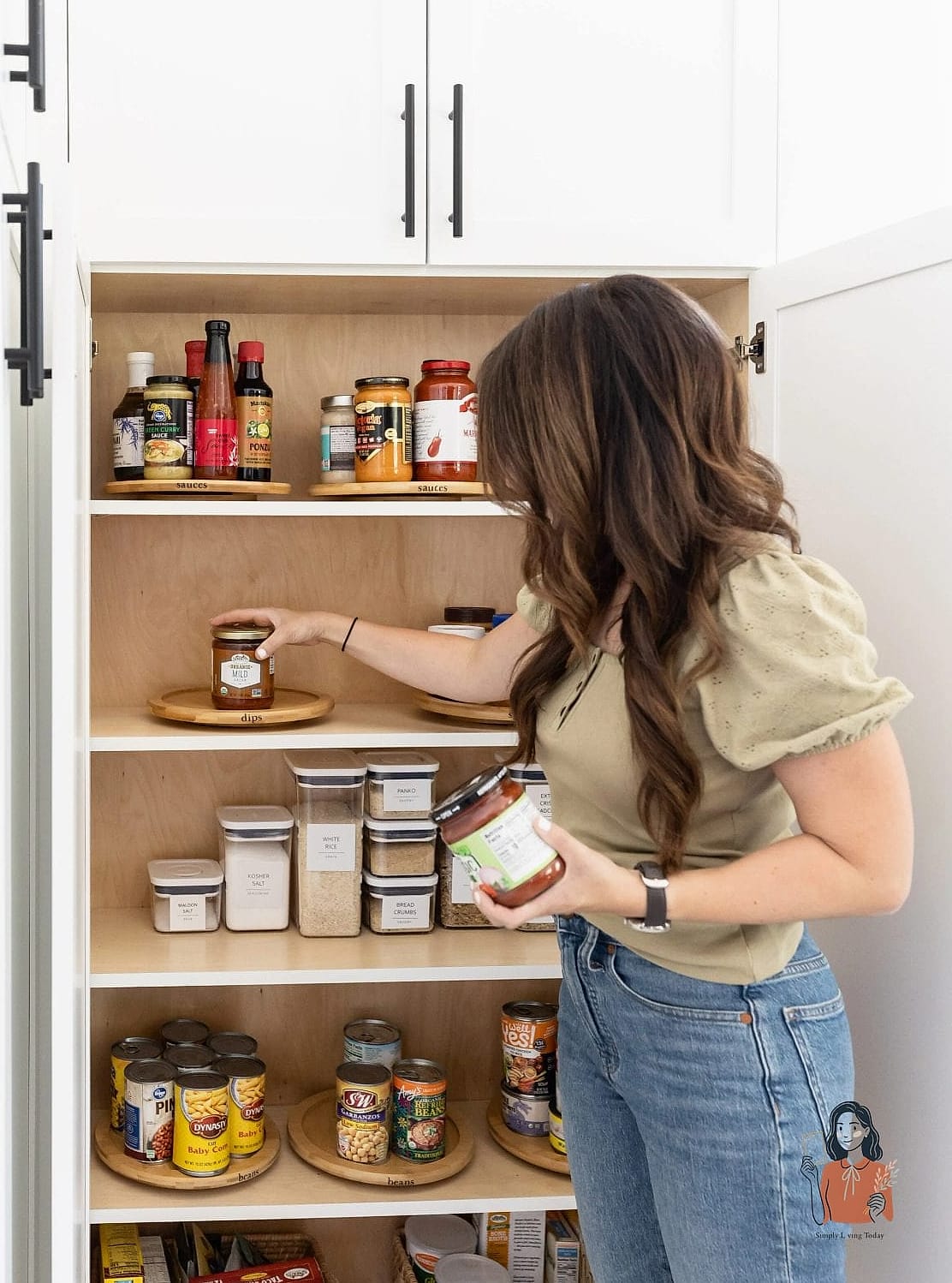
Sometimes you don’t need a full grocery haul. You just need to refill the basics.
Create a separate pantry restock list for items such as flour, sugar, pasta, rice, canned tomatoes, beans, cereal, spices, baking supplies, coffee, and cooking oils.
Keep this list somewhere visible and check it before a large shopping trip. A quick pantry inventory can prevent duplicate purchases and make bulk buying more intentional.
8. The Fresh Produce List
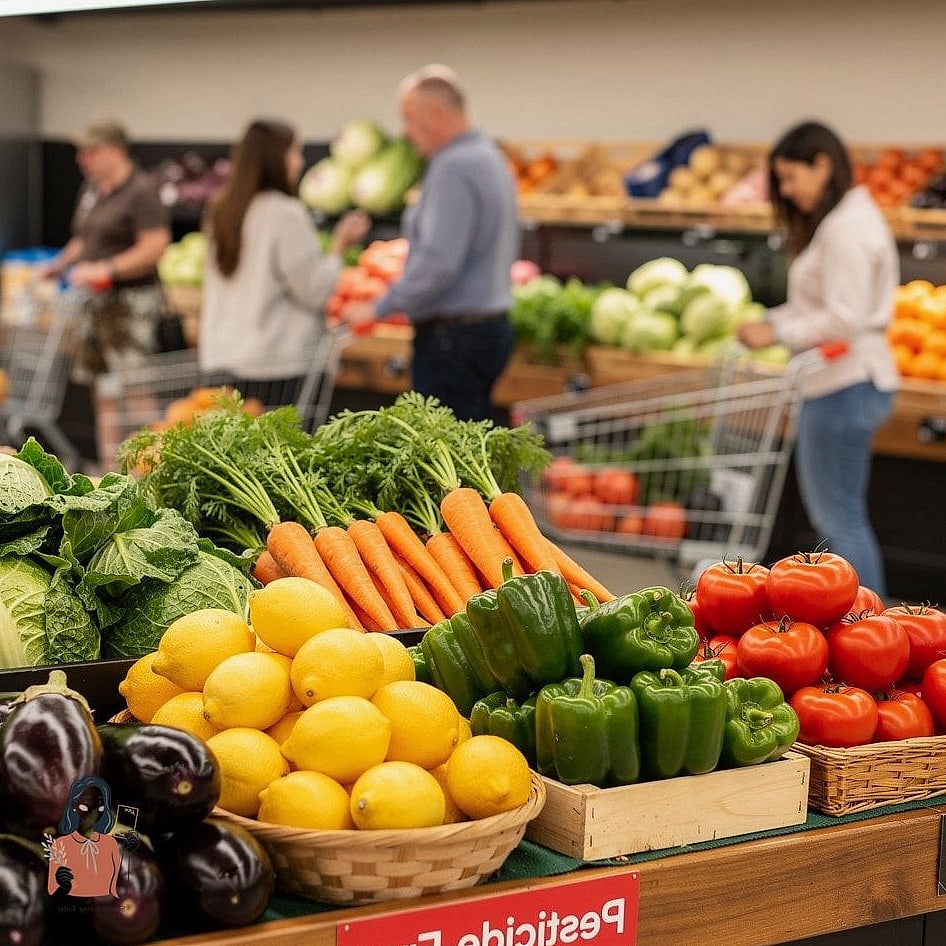
A produce-focused grocery list is handy when your refrigerator feels a little sad and beige. Group fruits and vegetables separately, then think about how quickly you’ll use each one.
Buy delicate greens, berries, and herbs for earlier in the week, while sturdier options such as carrots, apples, cabbage, and potatoes can wait longer.
If you shop at farmers markets, add seasonal produce to the list first and build meals around what looks best.
9. The Freezer-Friendly Grocery List
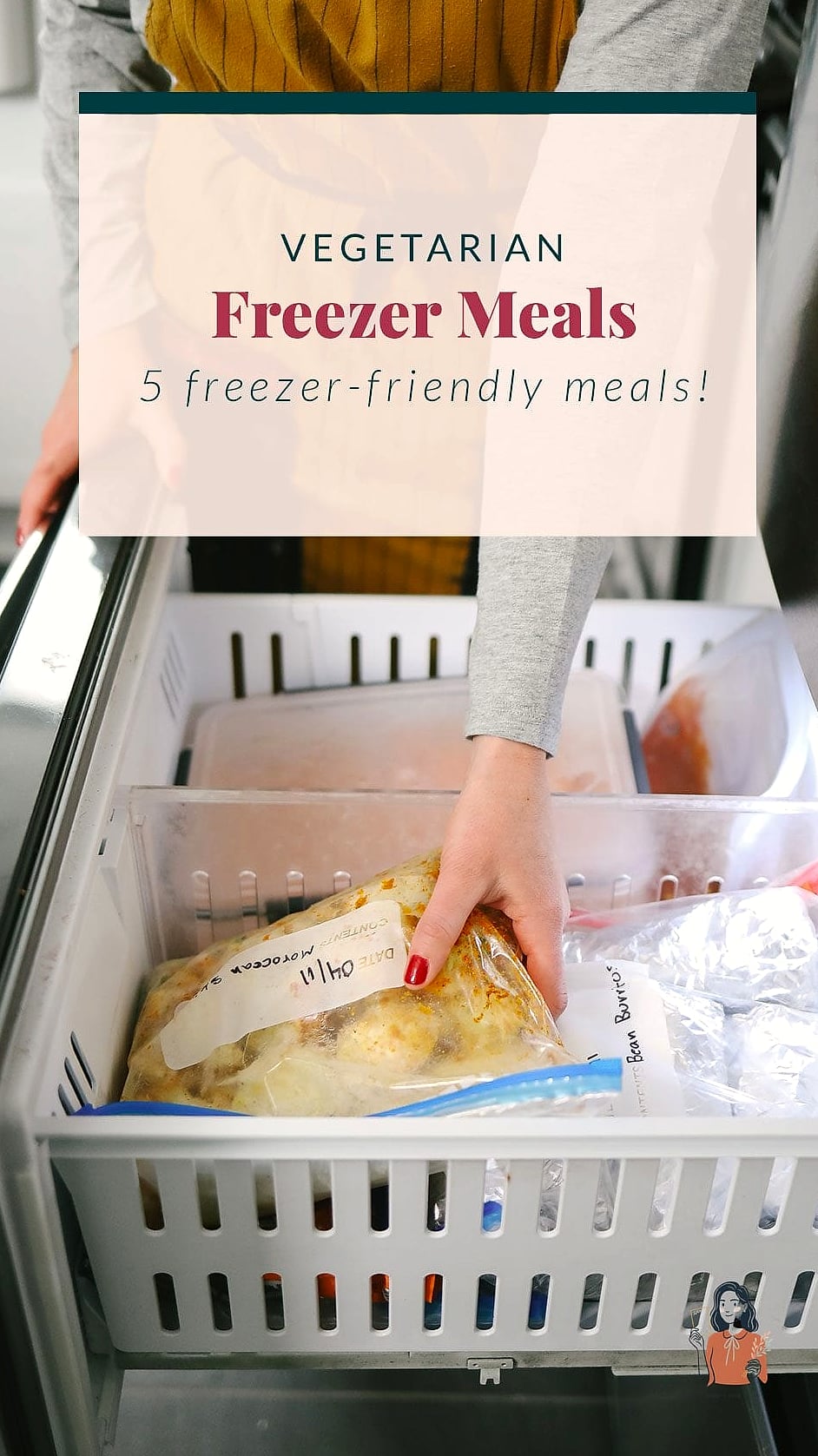
Planning for the freezer can save both money and future cooking time. Add ingredients that freeze well, including bread, berries, vegetables, ground meat, chicken, shredded cheese, and certain prepared meals.
For a busy household, consider making a double batch of one dinner and freezing half.
Use freezer labels with the meal name and date. A few clearly labeled containers are much more useful than a mysterious frozen brick you’re afraid to identify.
10. The Breakfast Grocery List

Create a dedicated breakfast list for mornings when everyone is rushing out the door.
Think eggs, oatmeal, cereal, yogurt, fruit, bread, peanut butter, coffee, milk, breakfast sausage, and easy grab-and-go options. Families with school-age children can also include lunchbox staples here.
For variety, choose a few make-ahead options such as muffins, overnight oats, or breakfast burritos.
11. The Lunchbox Grocery List
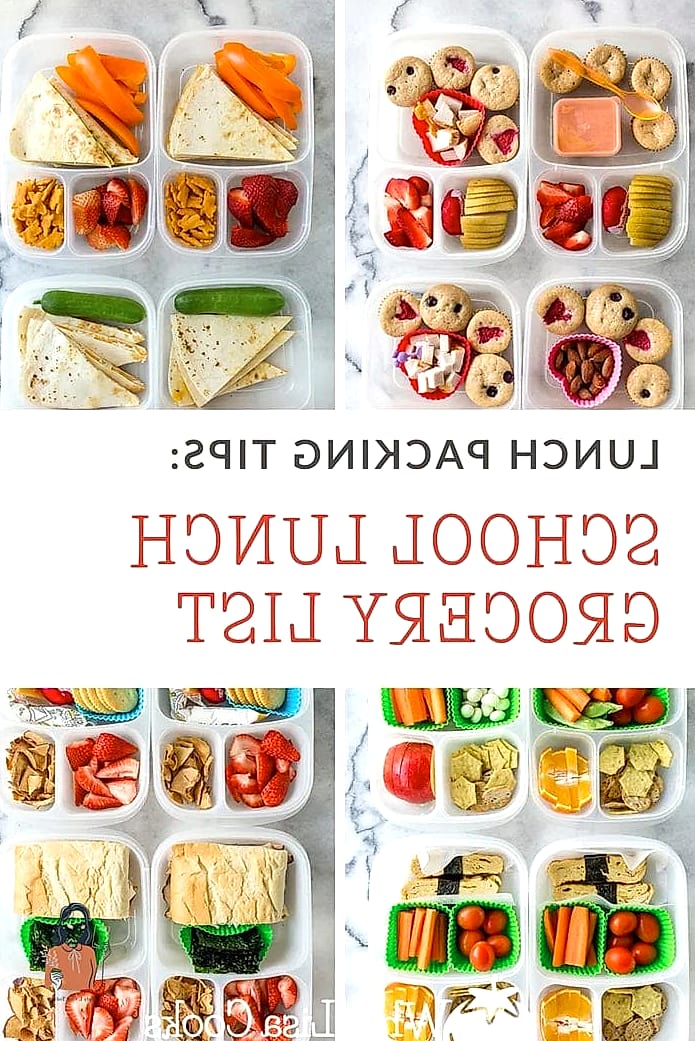
For school or work lunches, organize the list into main items, fruits, vegetables, snacks, and drinks.
Sandwich bread, wraps, cheese, deli meat, hummus, crackers, fruit, yogurt, and individually portioned snacks are easy starting points.
Reusable containers and divided lunch boxes make portioning simpler. If kids pack their own lunches, keep the list practical enough that they can actually find and prepare the food.
12. The Dinner Shortcut List
Not every grocery trip needs to support elaborate recipes. This list is for those weeks when dinner needs to happen quickly.
Stock ingredients such as rotisserie chicken, pasta, jarred sauce, frozen vegetables, tortillas, shredded cheese, eggs, salad kits, and microwaveable grains.
The goal is to have several combinations that can become dinner in about 15 to 30 minutes. It’s not glamorous, but neither is eating crackers over the sink at 8:30 p.m.
13. The Snack Station List
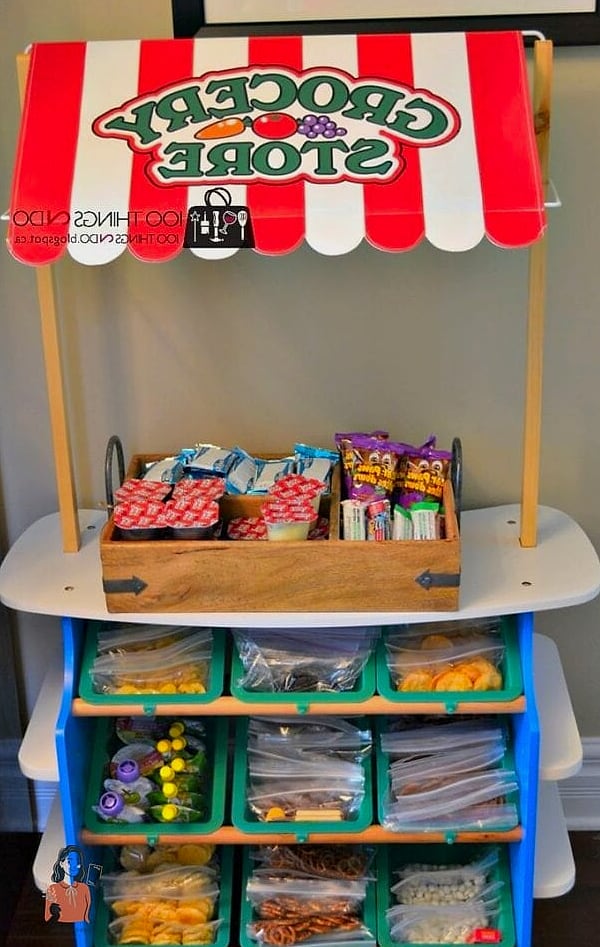
If your household seems to consume snacks at an impressive professional-athlete pace, give them their own list.
Include popcorn, crackers, pretzels, fruit, granola bars, nuts, yogurt, cheese, dried fruit, and a few fun treats.
A basket or pantry bin labeled “snacks” makes everything easier to find. For children, put kid-friendly options somewhere accessible so they can grab a snack without dismantling the entire kitchen.
14. The Party Grocery List
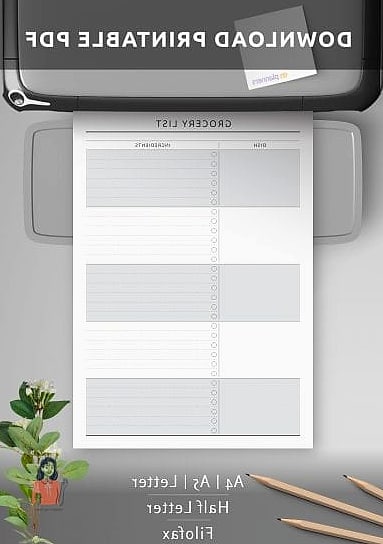
Hosting friends? Separate party food from everyday groceries so you don’t forget the details that make entertaining easier.
List appetizers, main dishes, sides, desserts, drinks, ice, condiments, and serving supplies. Add napkins, cups, plates, utensils, food storage containers, and trash bags.
For larger gatherings, estimate portions before shopping. A themed table with coordinated tableware, a candy bar, or a simple DIY centerpiece can make the setup feel special without requiring a huge decorating budget.
15. The Game Night Grocery List

Game night calls for food that can survive between rounds without creating a mountain of dirty dishes.
Think pizza ingredients, chips, dips, popcorn, pretzels, cookies, soda, sparkling water, and easy finger foods. Keep drinks in one area and snacks in another so people aren’t constantly hovering around the kitchen.
For a bigger group, add disposable or reusable serving trays. If you’re playing card or board games, choose snacks that aren’t particularly greasy or messy.
16. The Kids’ Birthday Party List
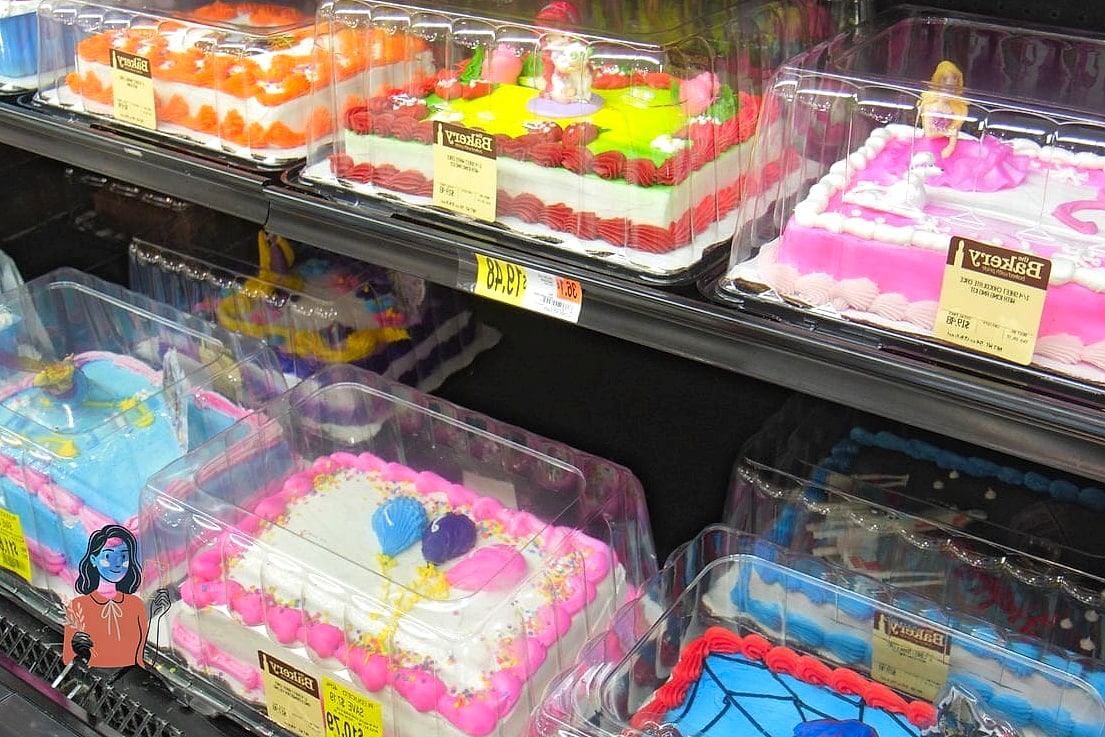
For a birthday party, divide your grocery list into food, drinks, dessert, and extras.
Cake ingredients or a bakery cake, cupcakes, fruit, pizza, juice, water, and kid-friendly snacks cover the basics. Then add candles, ice cream, and anything needed for serving.
If you’re using a specific theme, coordinate food colors with the party palette and add matching tableware or cupcake toppers. A few themed details usually go further than buying every decoration in the store.
17. The Potluck Grocery List
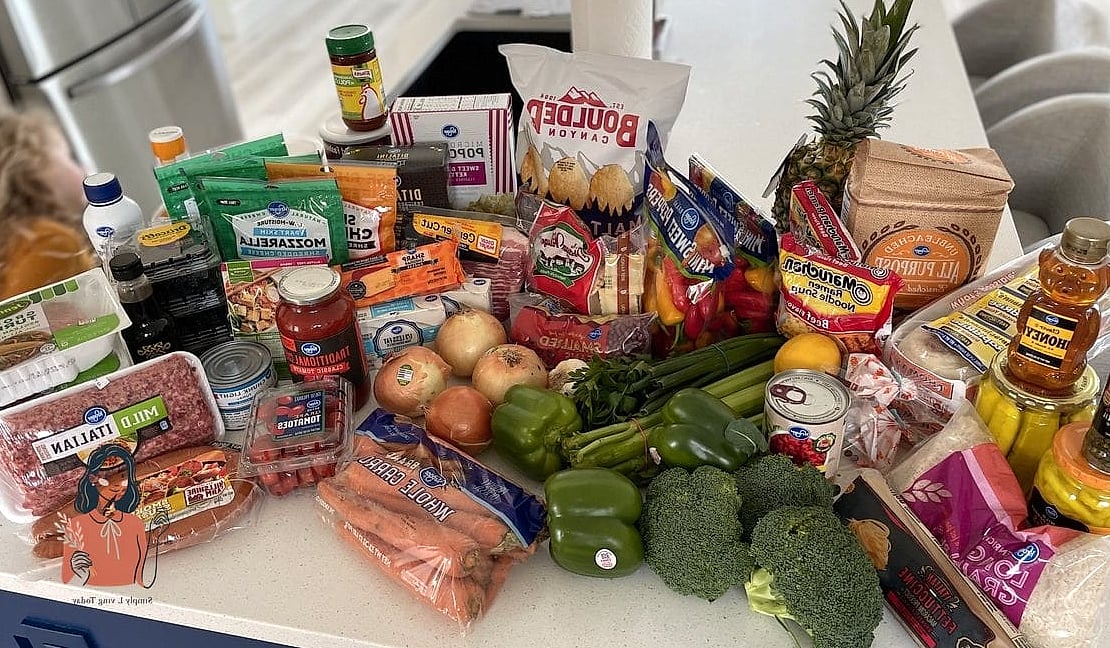
Potlucks become easier when you shop only for what you’re responsible for bringing.
Write down the dish first, then list ingredients underneath it. Remember serving utensils, containers for transportation, and labels if guests need to know about ingredients.
If you’re hosting, create a separate list for drinks, serving supplies, and backup foods. A simple signup sheet can prevent five people from arriving with pasta salad.
18. The Holiday Dinner Grocery List
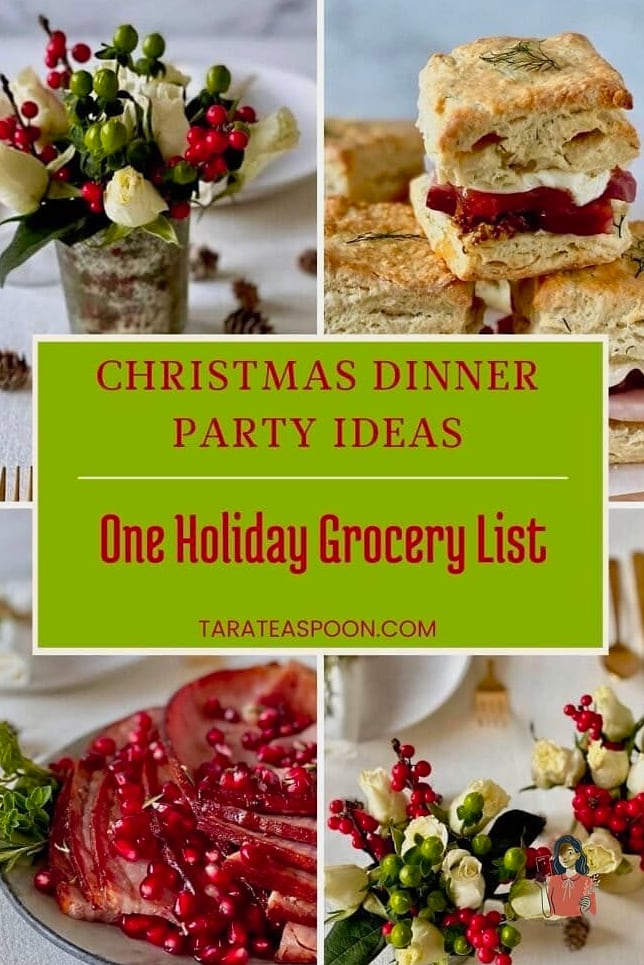
Holiday shopping deserves its own checklist because there are usually more moving parts than a normal dinner.
Organize it by appetizers, main dish, side dishes, desserts, beverages, and serving supplies. Then add holiday-specific ingredients such as cranberries, gravy ingredients, baking supplies, or seasonal spices.
Shop for nonperishable ingredients first and fresh foods closer to the event. This spreads out the workload and gives you a little breathing room.
19. The Baking Grocery List
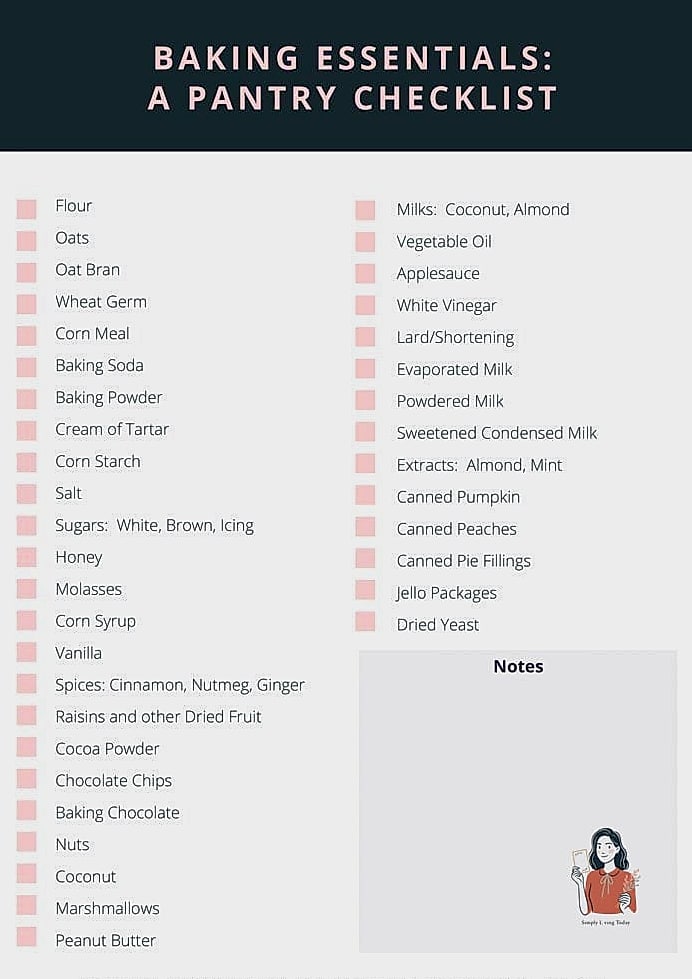
For a weekend baking session, make one list specifically for baking ingredients.
Flour, sugar, brown sugar, butter, eggs, vanilla, baking powder, baking soda, chocolate chips, cocoa, nuts, and parchment paper are useful staples.
If you bake frequently, keep a small baking inventory in your pantry. A labeled container for decorating supplies, sprinkles, piping bags, and cookie cutters can also save time when inspiration strikes.
20. The Picnic Grocery List
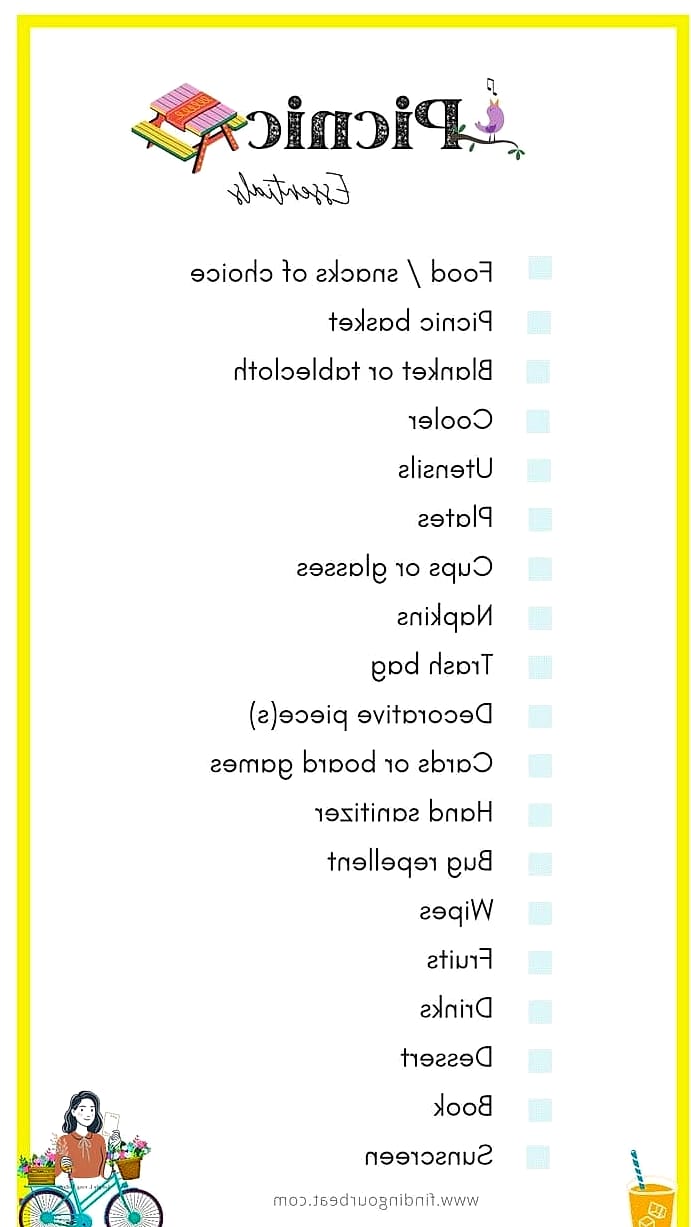
A picnic grocery list should focus on food that travels well and doesn’t require complicated serving.
Sandwiches, wraps, pasta salad, fruit, vegetables, crackers, cookies, lemonade, and bottled water are easy choices. Add napkins, reusable utensils, a cooler, ice packs, and food containers.
For kids, include a few familiar foods. For adults, a simple cheese-and-cracker spread or prepared salad can make the picnic feel a little more polished.
21. The Camping Grocery List
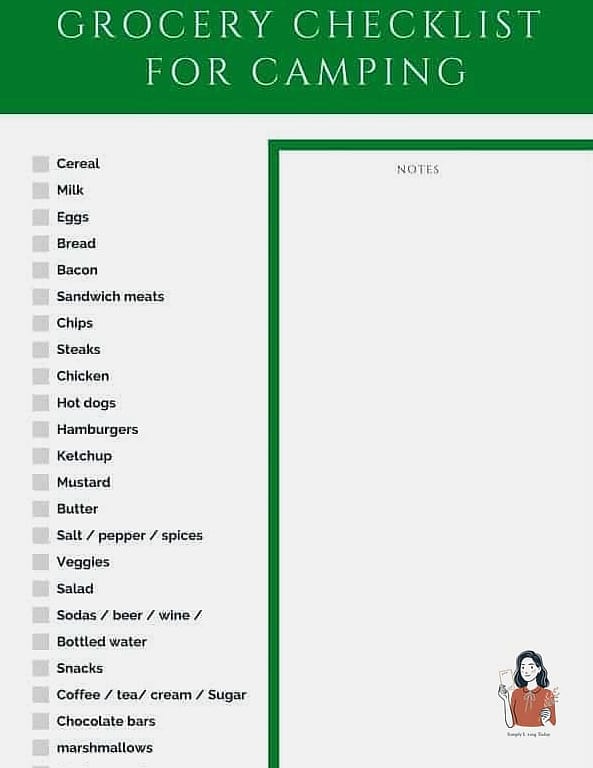
Camping requires more planning because your normal kitchen conveniences may not be available.
Build the list around meals first, then add easy snacks and drinks. Oatmeal, eggs, tortillas, canned beans, hot dogs, trail mix, fruit, coffee, and shelf-stable foods are practical choices.
Don’t forget cooking fuel, foil, trash bags, paper towels, seasonings, and plenty of water. A checklist is especially helpful here because forgetting one tiny item can turn into a surprisingly large inconvenience.
22. The Dorm Room Grocery List
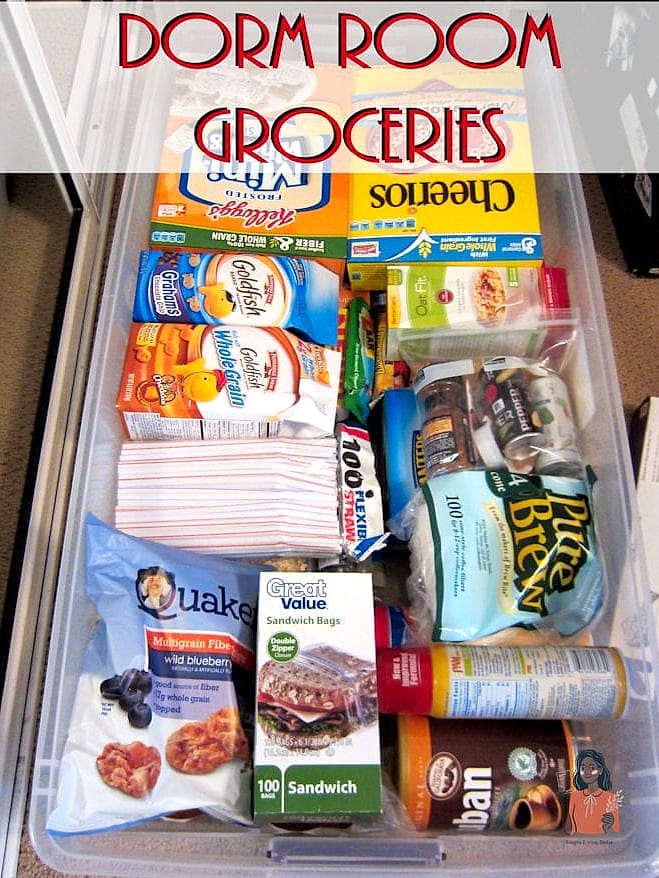
For college students or anyone working with a tiny kitchen, prioritize compact, inexpensive foods.
Think instant oatmeal, cereal, shelf-stable milk, peanut butter, crackers, canned soup, microwave rice, fruit, granola bars, and easy snacks.
If a refrigerator or microwave is available, add yogurt, cheese, frozen meals, and leftovers. A few stackable containers help keep limited storage under control.
23. The New Home Grocery List
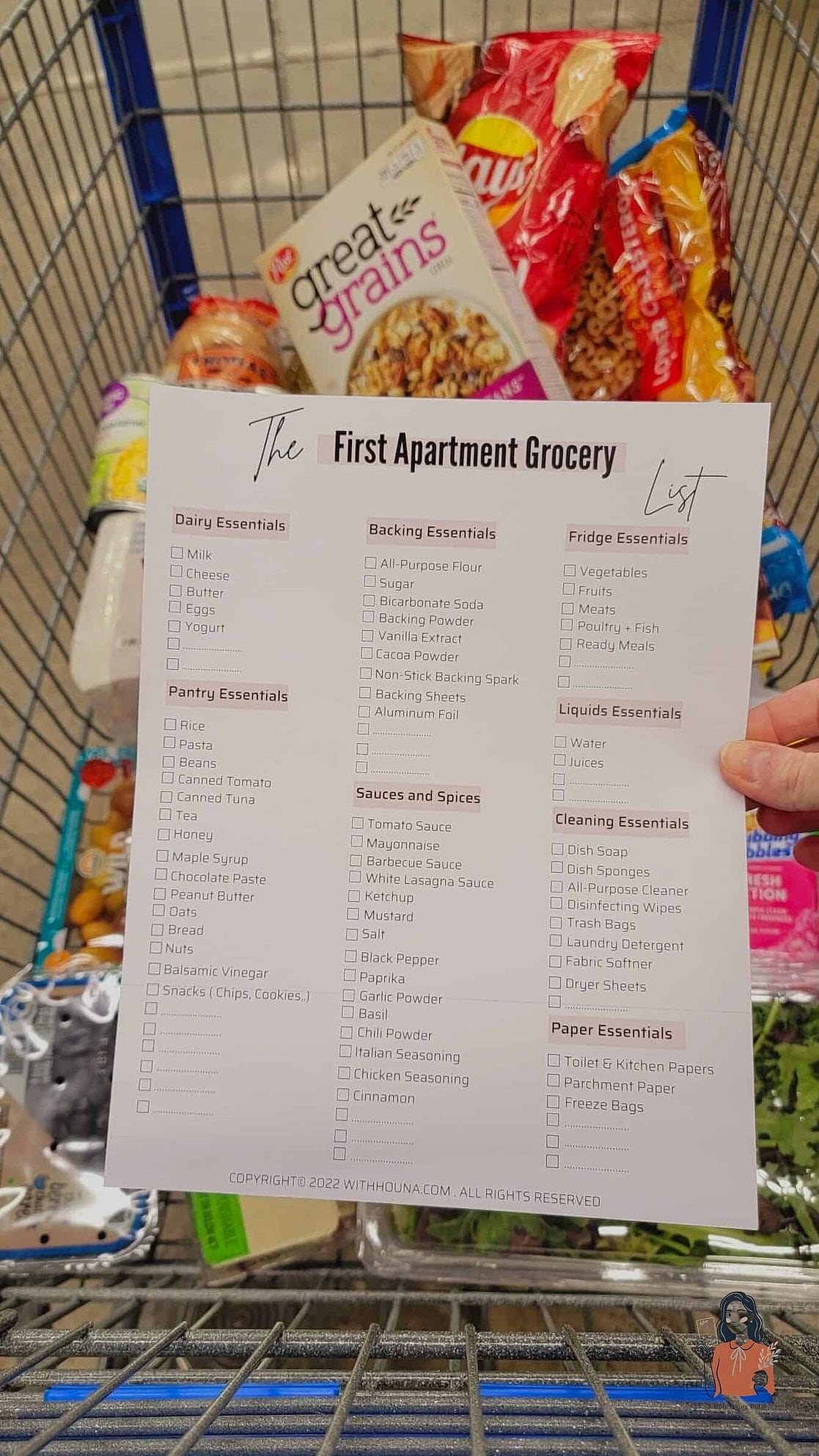
Moving into a new place? Your first grocery trip is different from a normal one because you’re starting from almost nothing.
Begin with salt, pepper, cooking oil, spices, coffee, tea, flour, sugar, rice, pasta, canned goods, and basic breakfast foods. Then add cleaning supplies, paper towels, trash bags, dish soap, and food-storage items.
This is also a good time to check what your kitchen actually has before buying duplicates of measuring cups, utensils, or pantry containers.
24. The Emergency Backup Grocery List
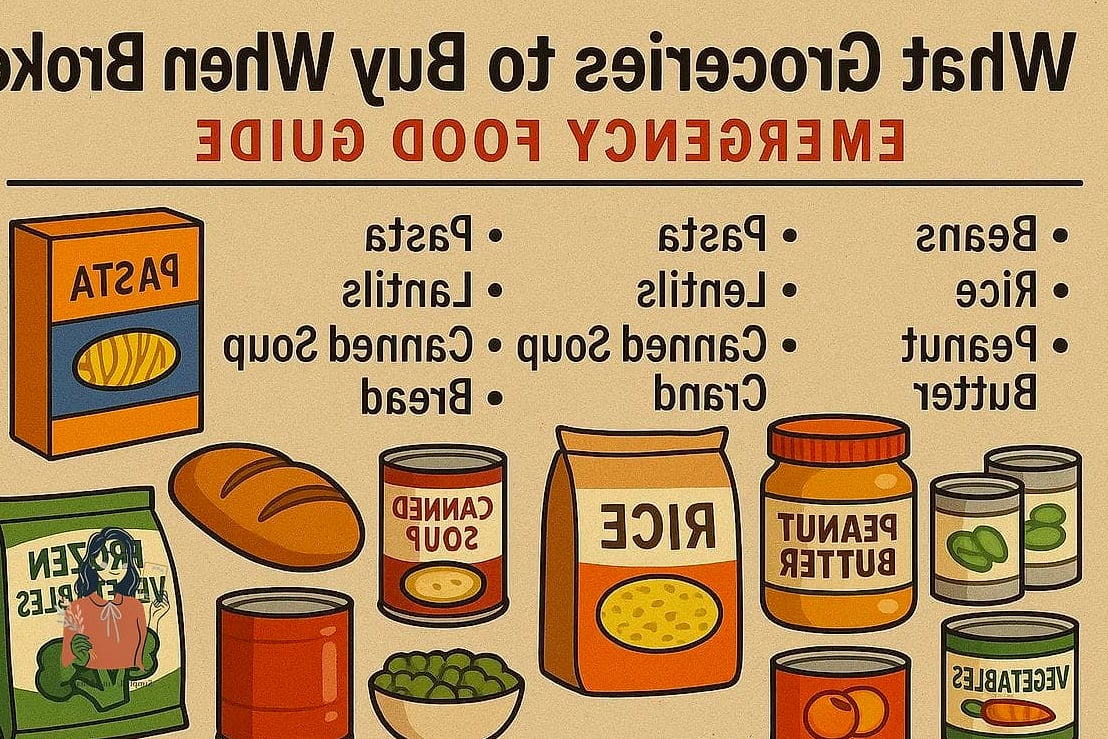
A backup list is useful for those weeks when schedules go sideways.
Keep shelf-stable and freezer-friendly basics on hand, such as pasta, canned beans, soup, rice, frozen vegetables, eggs, tortillas, oatmeal, and sauces.
Choose foods your household already eats. There’s little point filling the pantry with ingredients nobody wants when the goal is a reliable backup dinner.
25. The Seasonal Grocery List
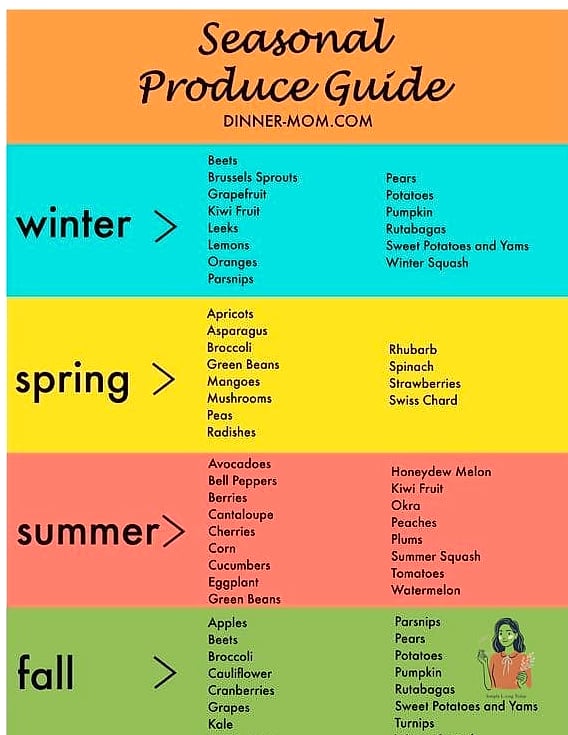
Seasonal lists make grocery shopping feel more intentional and can help you take advantage of produce that is plentiful at different times of year.
Summer might mean berries, corn, tomatoes, peaches, lemonade, and ingredients for grilling. Fall can shift toward apples, squash, soups, baking ingredients, and cozy one-pot meals.
You can also coordinate seasonal grocery shopping with holidays, outdoor gatherings, or themed dinner nights.
26. The No-Waste Grocery List
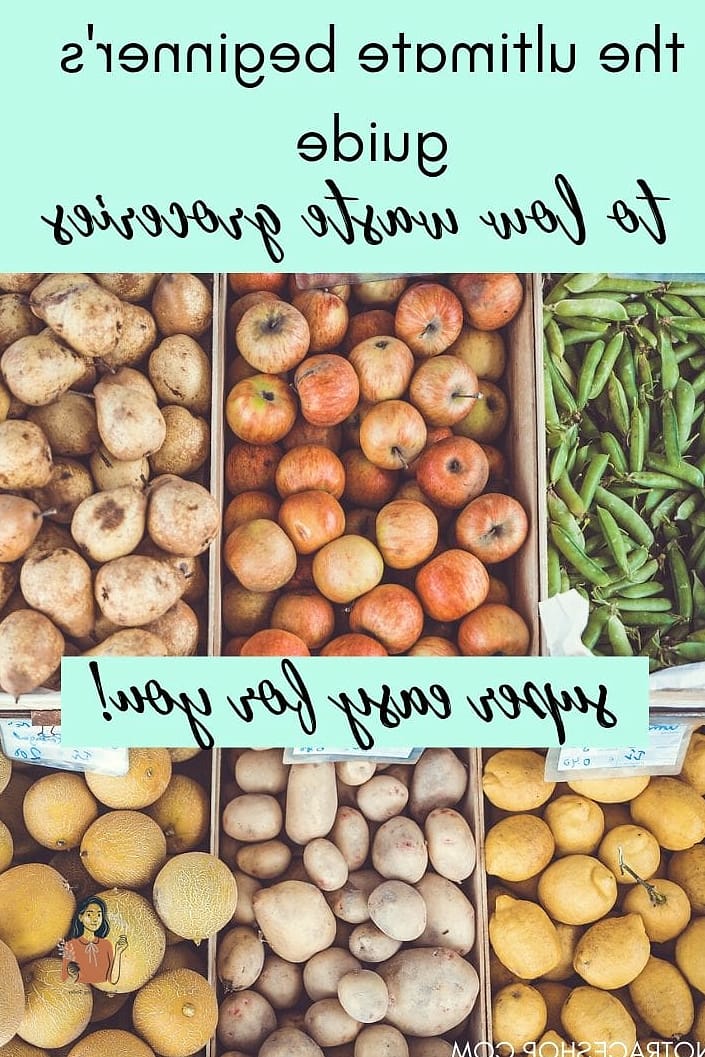
This list starts with what you already have rather than what you want to buy.
Check the refrigerator, freezer, and pantry, then make a short list of ingredients that can complete those foods into meals. Leftover vegetables might become soup, while extra rice can become fried rice.
Keep portions realistic, especially for perishable foods. Buying less often feels inconvenient at first, but wasting less food is usually worth the extra planning.
27. The Store-Layout Grocery List
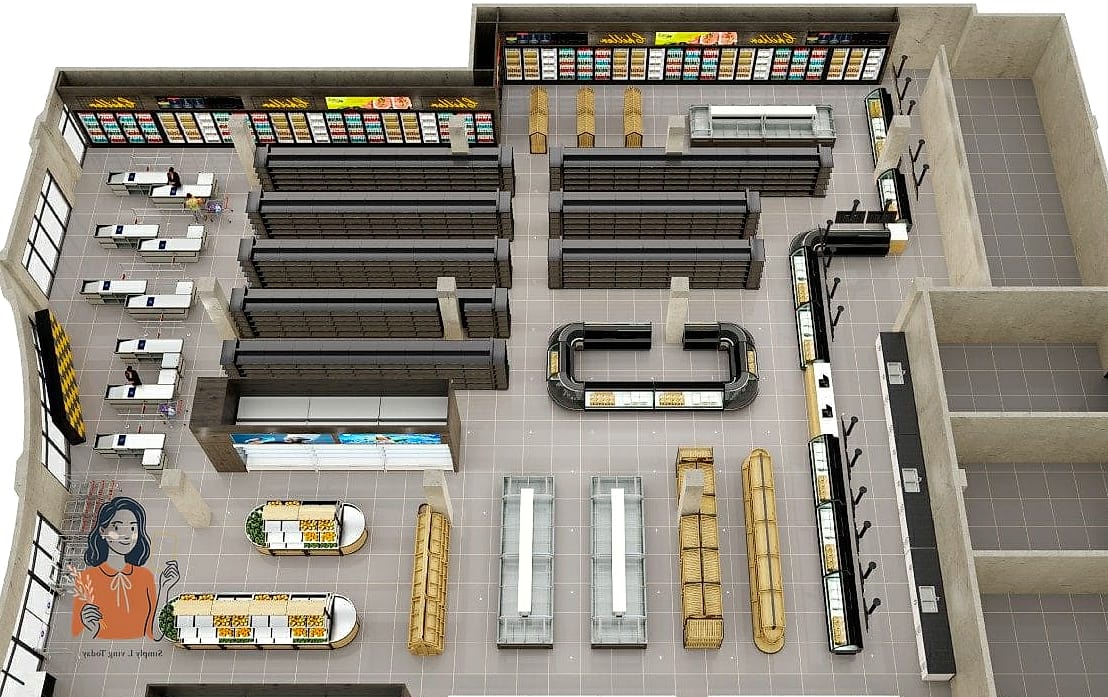
If you know your usual supermarket well, organize the list in the order you walk through the store.
For example, start with produce, then dairy, meat, pantry aisles, frozen foods, and household supplies. Your categories will depend on your store, but the basic idea is the same.
This can make shopping faster and reduce the temptation to wander into every aisle. It’s a small organizational trick, but it can make a surprisingly noticeable difference.
28. The Master Grocery List
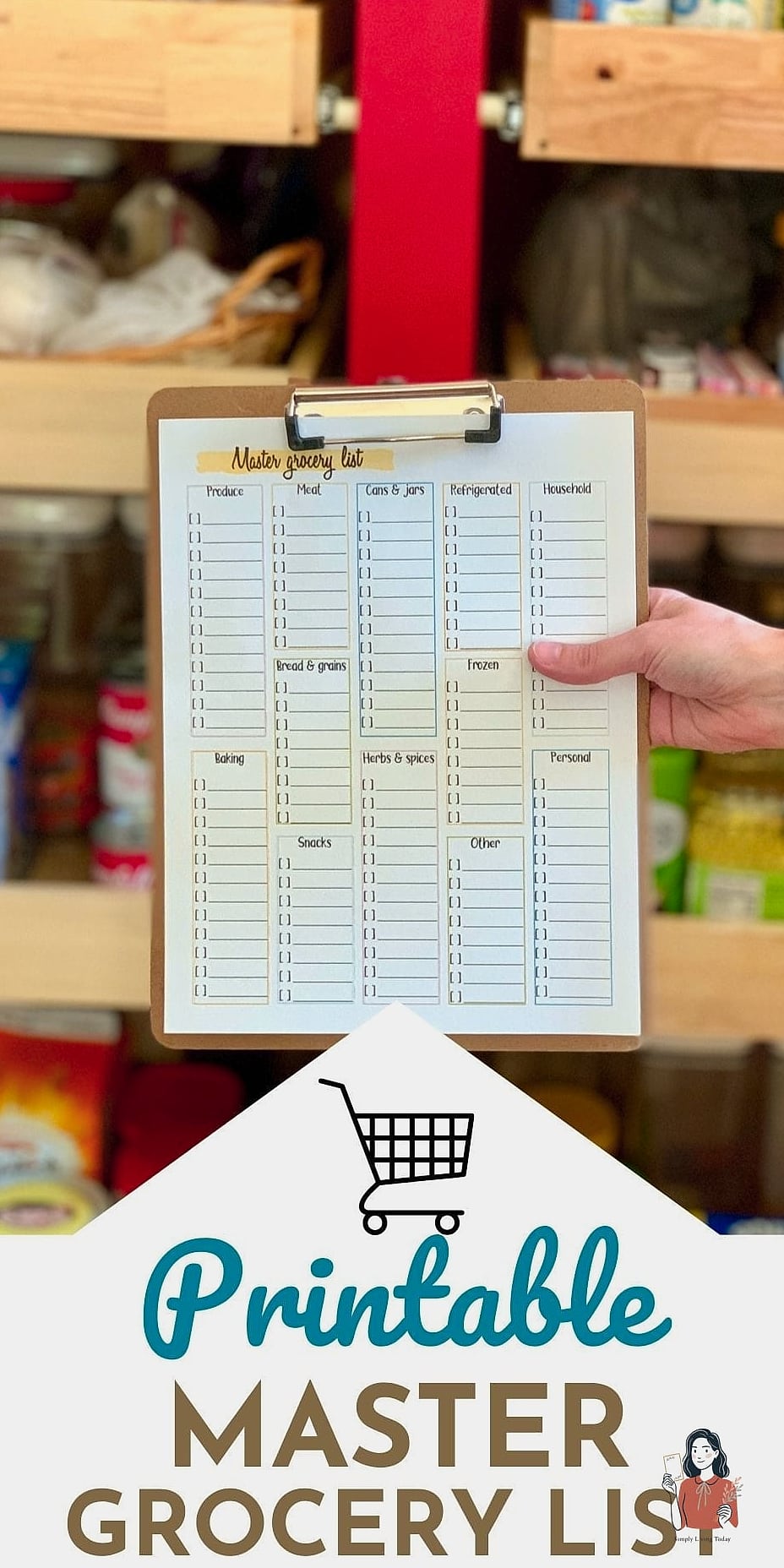
If you want one list to rule them all, create a master grocery checklist with every category you regularly shop.
Include produce, meat, dairy, pantry, frozen foods, beverages, snacks, baking, household supplies, party supplies, and seasonal items. Then duplicate or print a fresh copy whenever you need it.
Keep the master list somewhere convenient and customize it each week. Over time, you’ll have a grocery system that reflects your household instead of relying on memory and crossed fingers.
Final Thoughts

The best grocery list ideas are the ones that make your real life easier. You don’t need a fancy planner, an elaborate spreadsheet, or a color-coded system unless you genuinely enjoy that kind of thing.
Start with one format that fits your routine. Try a meal-planning list during a busy week, a party grocery checklist before hosting friends, or a master list if you’re tired of forgetting the same three things every Saturday.
Save these 28 Helpful Grocery List Ideas Worth Pinning Right Now, borrow the parts that work for you, and turn grocery shopping into a routine that feels a lot more manageable.