26 Exciting Brain Games For Dogs That Will Keep Everyone Entertained
- Muffin Tin Puzzle
- Snuffle Mat Search
- Frozen Kong Challenge
- Cup Shell Game
- Cardboard Box Excavation
- DIY Treat Dispenser Bottle
- Hide and Seek
- Find the Treat Under the Blanket
- Puzzle Feeder Bowls
- Which Hand Game
- Toy Name Recognition
- DIY Agility Course
- Treasure Hunt in the Yard
- Tug of War With Rules
- Interactive Treat Puzzle Boards
- Learn a New Trick Weekly
- DIY Cardboard Maze
- Scent Work With Essential Oil
- Ice Cube Treat Surprise
- Rotating Toy Basket
- Obstacle Recall Game
- DIY Flirt Pole
- Treat-Dispensing Puzzle Balls
- Distraction Training Game
- Copy That Game
- Backyard Sprinkler Treasure Hunt
26 Exciting Brain Games For Dogs That Will Keep Everyone Entertained
Dogs get bored just like people do, and a bored dog usually finds their own entertainment, which tends to involve your shoes or the couch cushions. Brain games are one of the easiest ways to tire out a dog mentally, and honestly, ten minutes of puzzle-solving can wear a dog out faster than a long walk. Whether you’ve got a high-energy herding breed or a laid-back senior pup, there’s a game on this list that fits. Here are 26 brain games worth trying, along with what you need and why they work.
Muffin Tin Puzzle
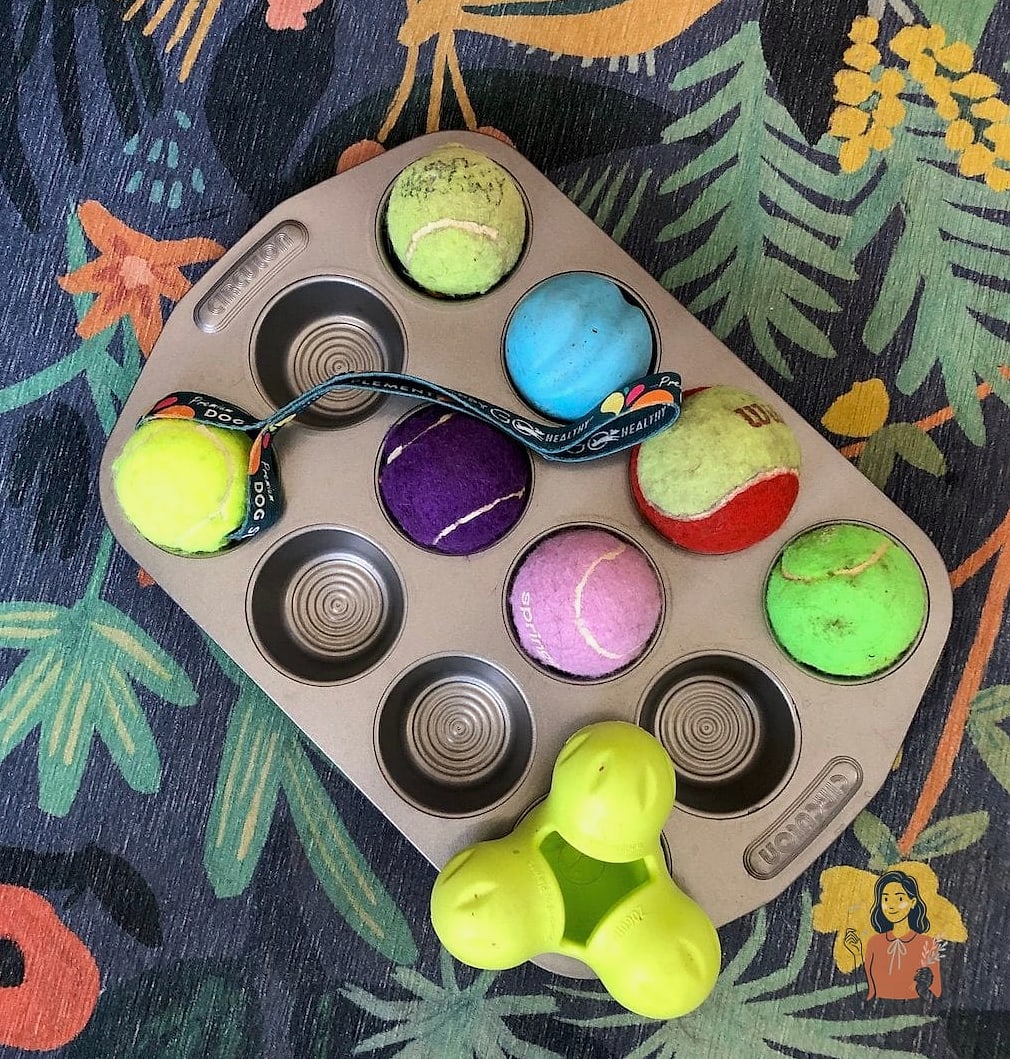
Grab an old muffin tin, drop a treat in each cup, and cover them with tennis balls. Your dog has to figure out which balls to move to get the reward underneath. This one is great for beginners since it’s cheap, quick to set up, and easy for dogs to understand right away.
Snuffle Mat Search
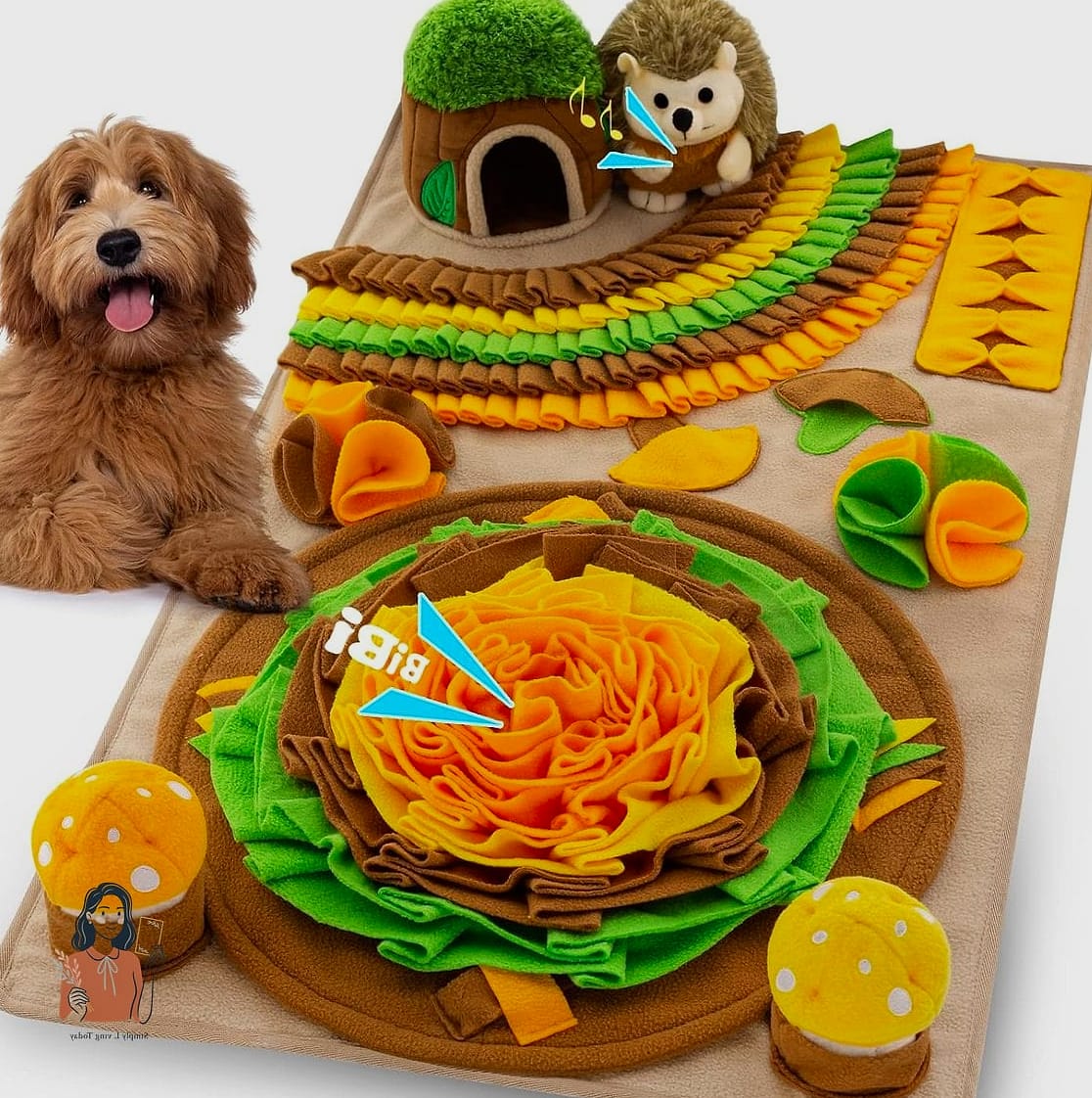
A snuffle mat is basically a fabric mat with strips of fleece tied all over it, and you hide kibble or small treats down in the fibers. Dogs use their nose to root around and find every last piece. It’s especially good for dogs who eat too fast, since it slows down mealtime naturally.
Frozen Kong Challenge
Stuff a Kong with peanut butter, plain yogurt, or mashed banana and freeze it overnight. The cold, slow-melting texture keeps dogs licking and working for much longer than a regular filled Kong. This is a lifesaver on hot afternoons when you want your dog occupied and cool at the same time.
Cup Shell Game
Line up three plastic cups, hide a treat under one while your dog watches, then shuffle them around. Let your dog nose or paw at the cup they think is right. Smart breeds like border collies and poodles tend to pick this up fast, but any dog can learn with a little patience.
Cardboard Box Excavation
Save a few cardboard boxes, hide treats or toys inside crumpled paper, and let your dog tear in to find them. It’s messy, so this one’s best done outside or on a floor you don’t mind sweeping. Dogs that love to dig or shred especially enjoy this one.
DIY Treat Dispenser Bottle
Poke holes slightly bigger than your dog’s kibble into a clean plastic bottle, fill it with food, and let your dog roll it around to knock treats loose. It’s a low-cost way to turn regular mealtime into a thinking game. Remove the cap and label first so there’s nothing sharp for your dog to chew.
Hide and Seek
Have someone hold your dog while you go hide in another room, then call their name. Dogs use scent and sound together to track you down, which is more mentally taxing than it sounds. This game also reinforces recall training without feeling like a formal lesson.
Find the Treat Under the Blanket
Toss a treat under a light blanket or towel while your dog watches, then encourage them to dig it out. It teaches problem-solving in a low-stakes way and works well for puppies just learning how these games go. You can make it harder over time by using thicker blankets or hiding more than one treat.
Puzzle Feeder Bowls
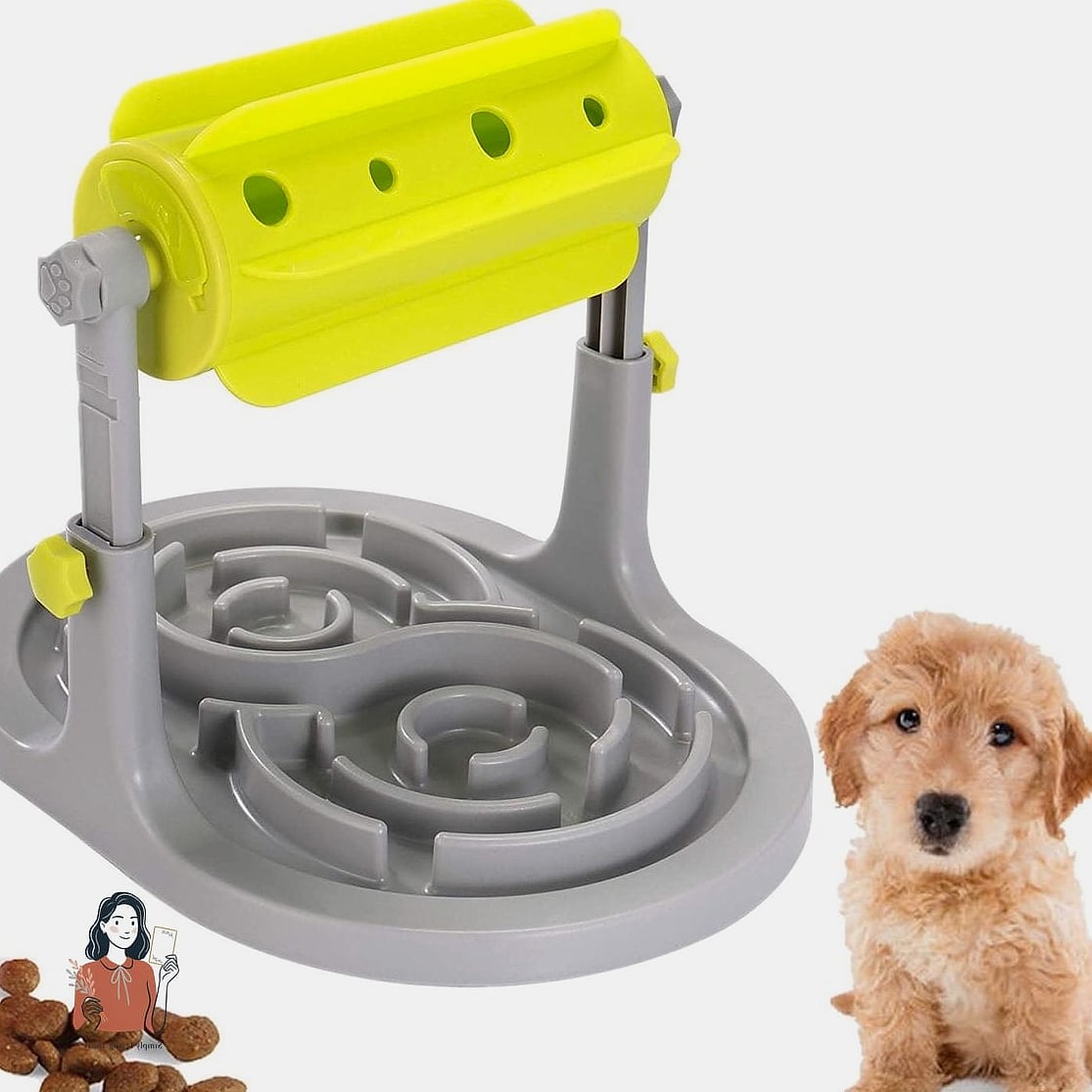
These are specially designed bowls with ridges, bumps, or maze-like patterns that force your dog to slow down and work for each bite. They’re a step up from a snuffle mat in terms of structure, and they’re great for dogs who need mental stimulation built into every meal. Look for one with a difficulty level that matches your dog’s experience.
Which Hand Game
Put a treat in one closed fist, show both hands to your dog, and let them choose by sniffing or pawing at the hand they think has it. It’s a simple game but genuinely tests scent discrimination. This works well as a quick five-minute activity when you don’t have time for anything elaborate.
Toy Name Recognition
Pick two or three toys, give each one a distinct name, and reward your dog every time they bring you the correct one. Over weeks, dogs can build a surprisingly large vocabulary this way. Border collies have famously learned hundreds of object names through this exact method.
DIY Agility Course
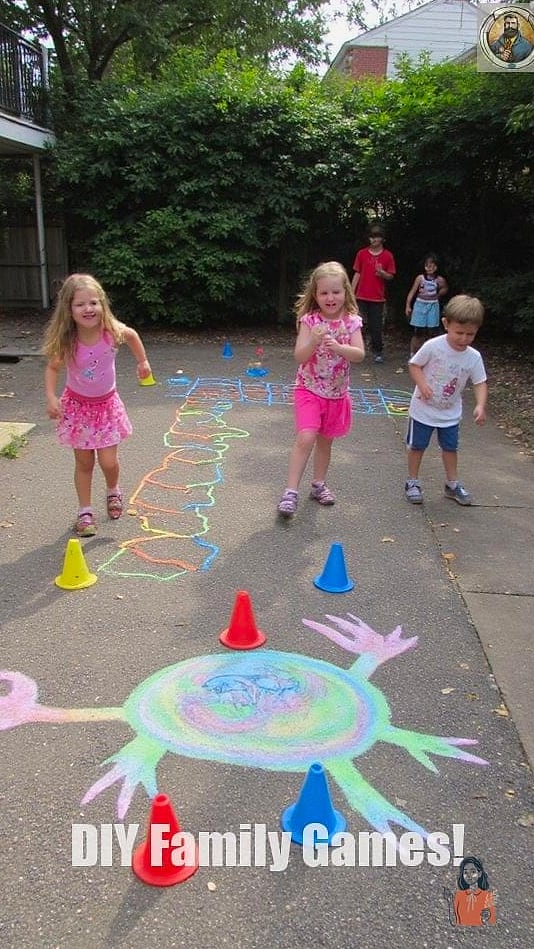
Set up a simple obstacle course using household items like broomsticks propped on books for jumps, a laundry basket tunnel, or cushions to weave around. This works especially well in a backyard or garage on rainy days. It combines physical exercise with the mental work of following a sequence.
Treasure Hunt in the Yard
Bury a few treats or a favorite toy in a sandbox or a designated digging patch in your yard. Dogs that love to dig get an outlet for that instinct while also working their nose. This is a great option for dog breeds like terriers or dachshunds that were literally bred to dig.
Tug of War With Rules
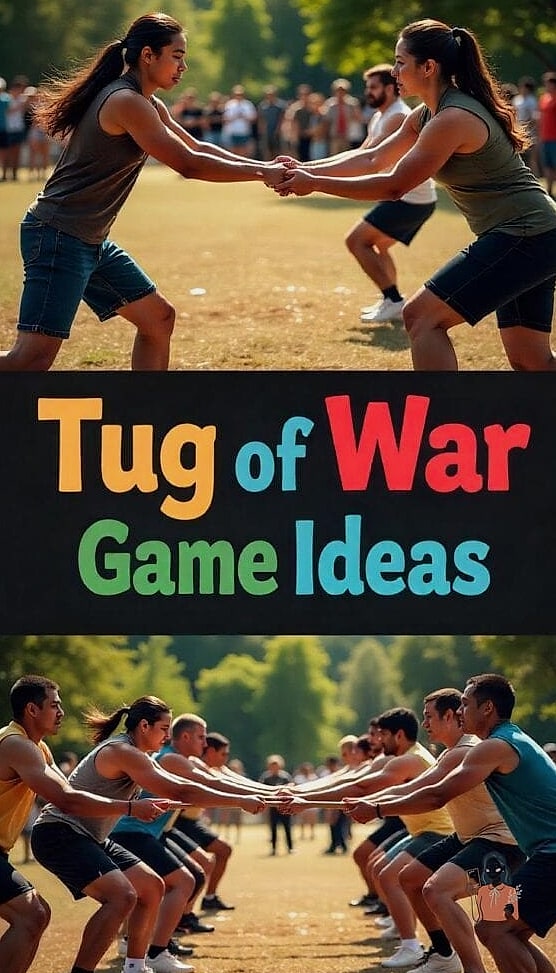
Tug isn’t just physical play if you build in commands like “take it” and “drop it” throughout the game. Requiring your dog to release on command adds an impulse-control element that makes the game mentally engaging, not just a strength contest. It’s also a nice bonding activity for two people to take turns with the same dog.
Interactive Treat Puzzle Boards
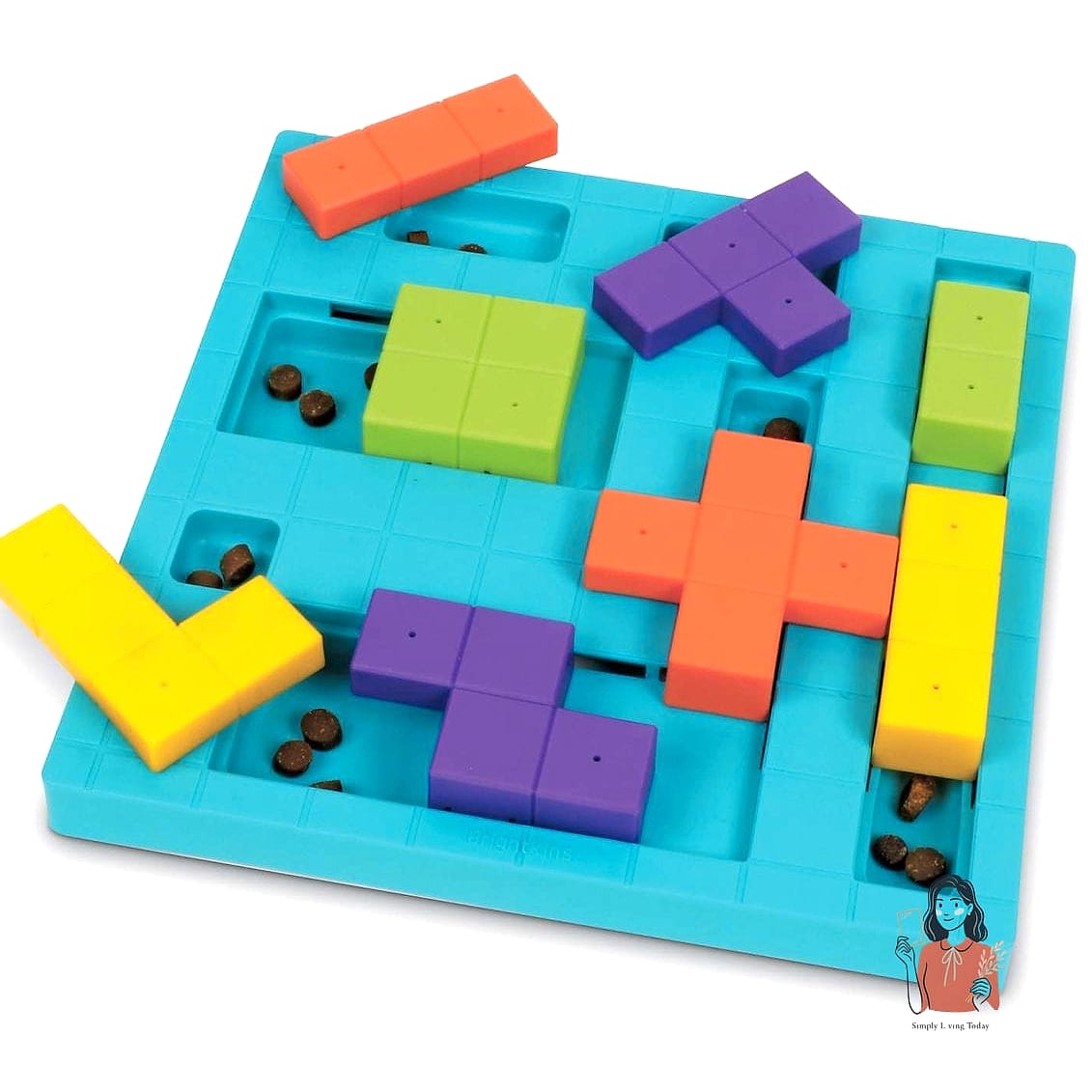
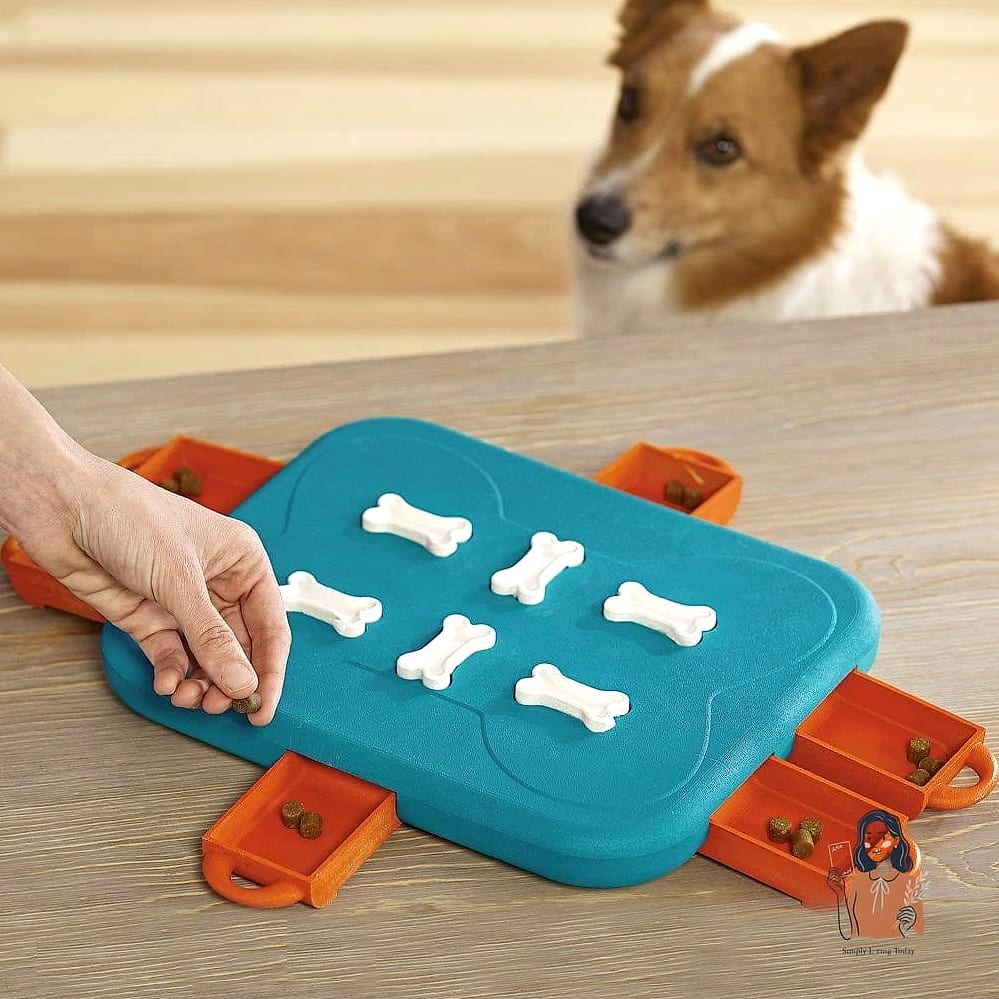
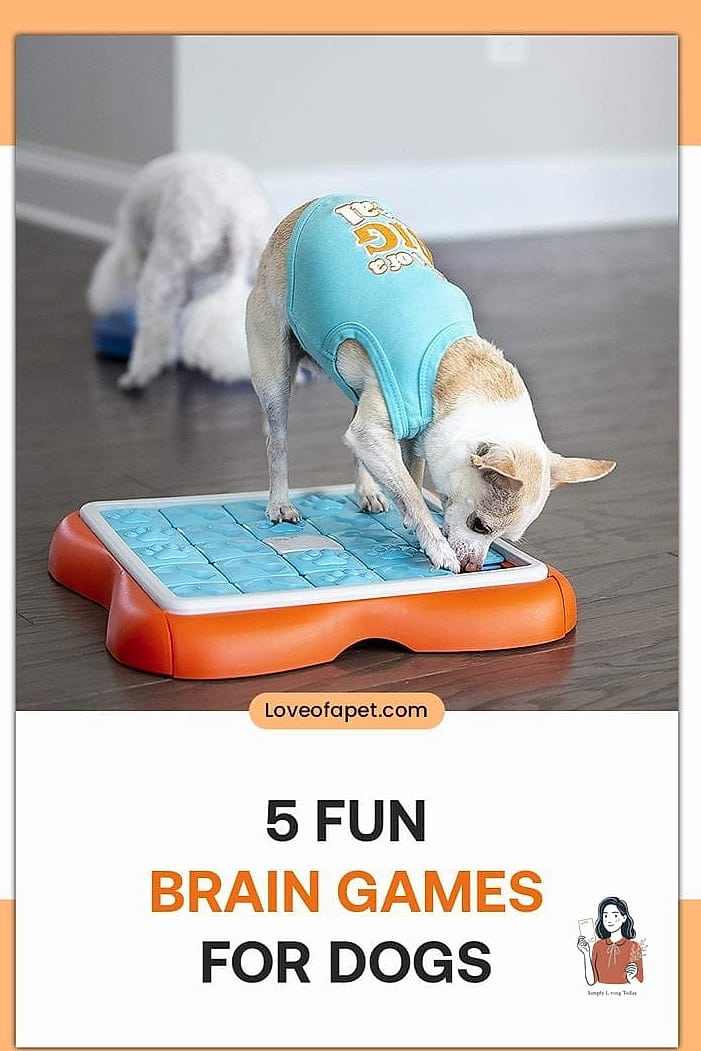
These are wooden or plastic boards with sliding drawers, spinning discs, or lift-up flaps that hide treats underneath. Dogs learn to nose, paw, or flip each piece to reveal a reward. They range from beginner-friendly boards with a few compartments to advanced versions with locking mechanisms.
Learn a New Trick Weekly
Teaching a new trick every week, like spin, wave, or play dead, keeps a dog’s brain constantly adapting rather than repeating the same three commands forever. Short five-minute sessions work better than long ones since dogs lose focus quickly. Keep a running list so you and your dog both feel the progress.
DIY Cardboard Maze
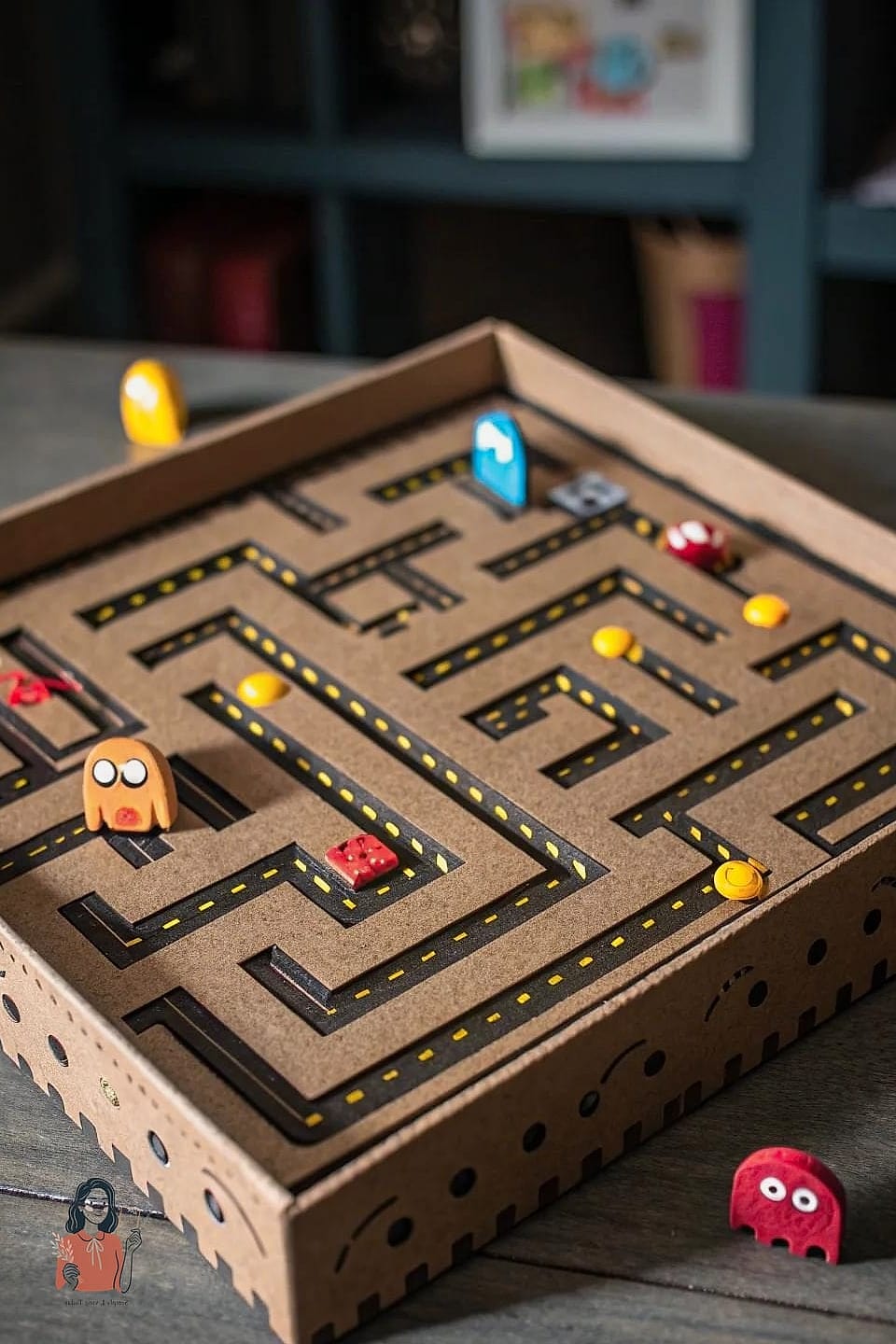
Cut openings into a large cardboard box or arrange several boxes end to end to create a simple maze, then place treats at the end. Dogs have to navigate turns and dead ends to reach the reward. This is an especially good rainy-day activity since it uses stuff you likely already have lying around.
Scent Work With Essential Oil
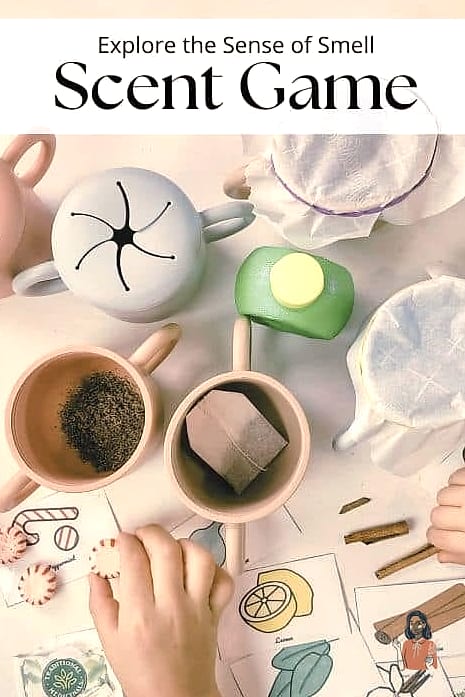
Introduce a mild, dog-safe scent like lavender on a cotton ball, hide it around a room, and teach your dog to find it using a “search” command. This mimics the kind of scent-detection training working dogs go through. Start with just one hiding spot and gradually add more as your dog catches on.
Ice Cube Treat Surprise
Freeze small treats or bits of bone broth into ice cubes and let your dog work to lick or chew their way to the prize. It’s an easy summer activity that also helps with hydration. Just keep an eye on aggressive chewers so they don’t bite off cube pieces too large to swallow safely.
Rotating Toy Basket
Instead of leaving every toy out all the time, keep only a few accessible and rotate the rest weekly. When old toys reappear after being “gone,” dogs treat them like something new again. This trick costs nothing and instantly makes a dog’s existing toy collection feel bigger than it is.
Obstacle Recall Game

Set up a few obstacles like chairs or boxes between you and your dog, then call them to come find you through the maze. This blends recall training with problem-solving, since your dog has to figure out the path rather than run in a straight line. It’s a good option for hallways or small apartments where a full agility course isn’t practical.
DIY Flirt Pole
Attach a soft toy to a rope tied onto a sturdy stick, then move it around unpredictably like prey. This taps into a dog’s natural chase instinct while also requiring them to anticipate direction changes. It’s a fantastic outlet for high-energy breeds that need more than a regular fetch session.
Treat-Dispensing Puzzle Balls
These are hollow balls with an internal maze that release kibble a few pieces at a time as your dog rolls them around. Unlike a simple rolling treat ball, the internal design makes the release less predictable, which keeps dogs engaged longer. They’re a nice option for independent dogs who like working on their own without a person actively involved.
Distraction Training Game
Place a treat on the floor and practice having your dog wait for a release word before eating it, gradually adding distractions like tossing a ball nearby. This builds impulse control, which is a form of mental exercise that’s often overlooked. It also happens to be one of the more useful skills for a well-mannered household dog.
Copy That Game
Some dogs can learn to mimic simple human actions, like sitting when you sit or spinning when you spin, using a “do it” style cue after some training. This is a more advanced game best suited for dogs who already know basic commands solidly. It’s a fun one to show off to friends once your dog gets the hang of it.
Backyard Sprinkler Treasure Hunt
On warm days, scatter a few floating treats or toys in a shallow kiddie pool or run the sprinkler over a patch of grass with hidden treats. Dogs combine scent work with a bit of water play, which most dogs find genuinely fun rather than just mentally taxing. It’s a nice way to combine cooling off with a real brain workout during summer.
Rotating through a handful of these games each week keeps things fresh, since dogs get just as bored of repetition as people do. Start with the simpler options like the muffin tin puzzle or snuffle mat if your dog hasn’t done much puzzle work before, then work up to the more advanced games as their confidence builds. The goal isn’t to master all 26 at once. It’s to find the handful your particular dog actually loves, and lean into those.