26 Budget-friendly Diy Shoe Rack That Are Way Easier Than You Think
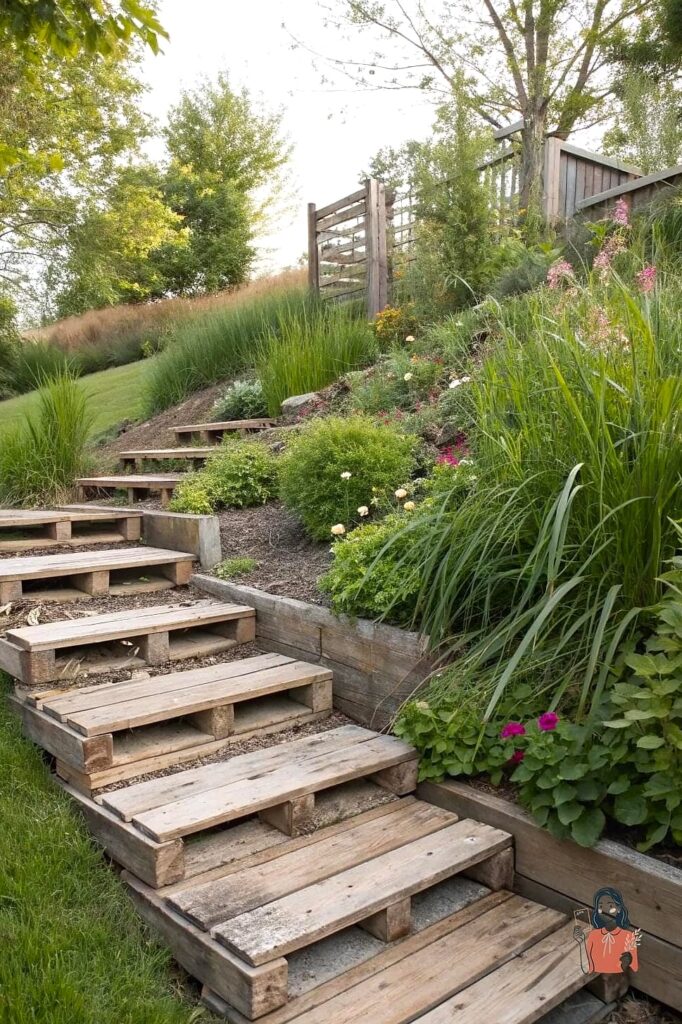
- The Cinder Block and Wood Plank Rack
- Hanging Shoe Organizer Turned Wall Rack
- PVC Pipe Shoe Rack
- Ladder Shelf Shoe Display
- Stacked Wood Crate Rack
- Tension Rod Shoe Shelf
- Command Hook Boot Rack
- Repurposed Bookshelf Shoe Rack
- Wine Rack Shoe Storage
- Pallet Wood Shoe Rack
- Over-the-Door Shoe Pockets
- Floating Shelf Shoe Ledges
- Mason Jar Wall Rack for Kids’ Shoes
- Milk Crate Cubby Wall
- Rain Gutter Shoe Shelves
- Bamboo Steamer Basket Rack
- Cubby Shelf From Stacked Crates
- Slanted Shoe Shelf Build
- Repurposed Dresser Drawers as Shoe Cubbies
- Chicken Wire and Wood Frame Shelf
- Closet Rod Shoe Hangers
- Concrete Block and Pipe Shelf
- Repurposed Step Stool Shoe Display
- Cardboard Cubby Rack
- Wall-Mounted Pegboard Shoe Rack
- Wooden Crate Bench With Shoe Storage Underneath
Thought for 3s
26 Budget-friendly Diy Shoe Rack That Are Way Easier Than You Think
If your entryway looks like a shoe explosion happened, you’re not alone. Shoes pile up faster than almost anything else in a house, and store-bought racks can be surprisingly expensive for something so simple. The good news is that a great shoe rack doesn’t require fancy tools, a big budget, or serious carpentry skills. Below are 26 genuinely doable projects, from five-minute hacks to weekend builds, that will get those shoes off your floor for good.
The Cinder Block and Wood Plank Rack
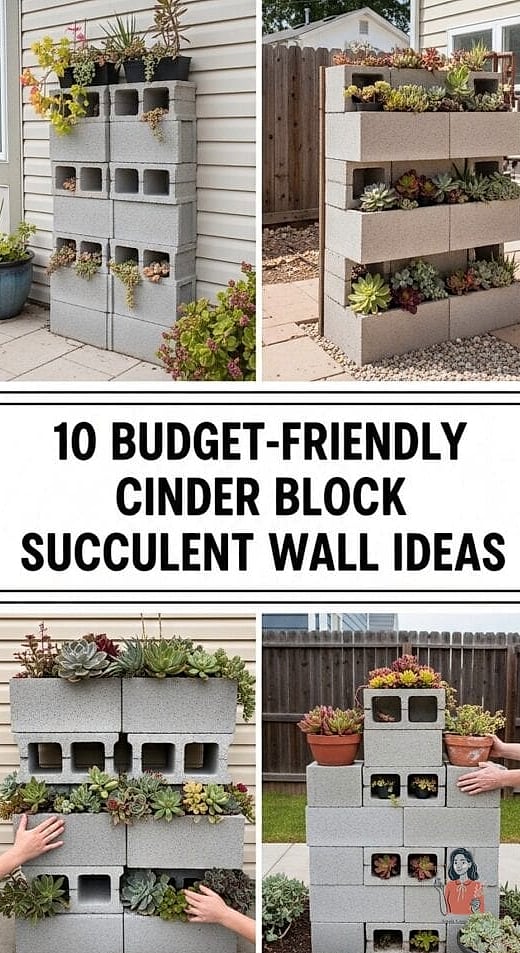
This is one of the cheapest shoe racks you can build, and it barely requires any skill. Stack cinder blocks on their sides, lay a wood plank across the openings, and repeat for as many tiers as you need. It works great in a garage, mudroom, or covered porch, and you can paint the blocks to make them look more intentional. The best part is you can add or remove tiers depending on how many shoes you’re storing.
Hanging Shoe Organizer Turned Wall Rack
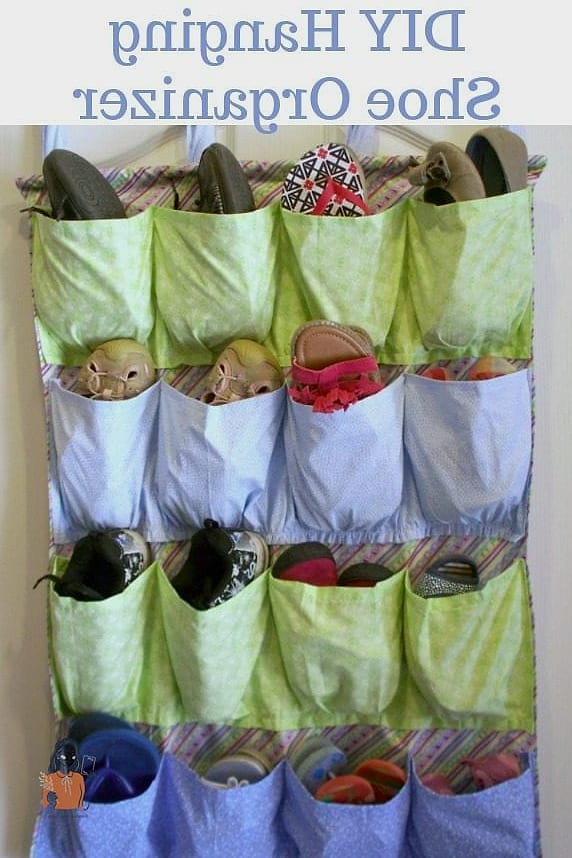
Instead of hanging a fabric shoe organizer on a door, mount a few dowels or a slim shelf behind it to give it more structure and make it double as a wall rack. This works well in small apartments where floor space is limited. Choose a canvas or mesh organizer for a more polished look rather than the flimsy plastic versions.
PVC Pipe Shoe Rack
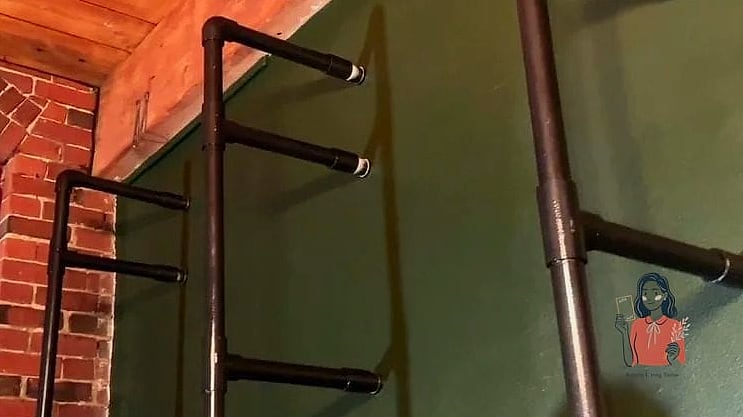
PVC pipe is inexpensive, lightweight, and easy to cut with a basic hand saw. Cut the pipes into short sections, glue them into a frame using PVC connectors, and you’ve got individual slots that keep each pair separated and upright. This is especially good for sneakers and boots that tend to fall over on flat shelves.
Ladder Shelf Shoe Display
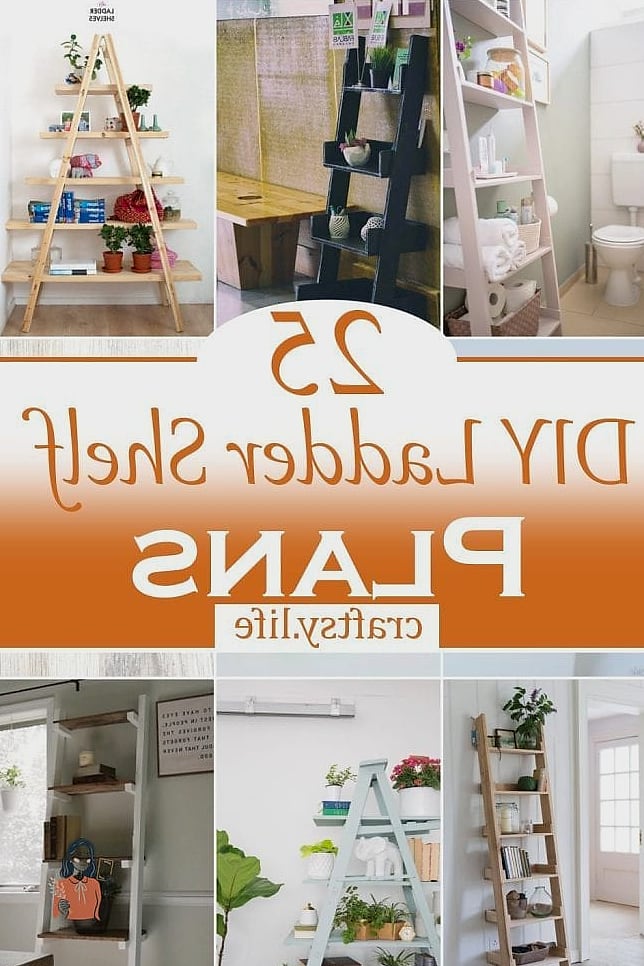
An old wooden ladder, leaned against a wall, makes a surprisingly stylish shoe rack. Rest shoes on each rung, or add small wood slats between rungs for a more secure shelf. This works particularly well in a farmhouse or rustic-style entryway and gives you a decorative piece even when shoes aren’t sitting on it.
Stacked Wood Crate Rack
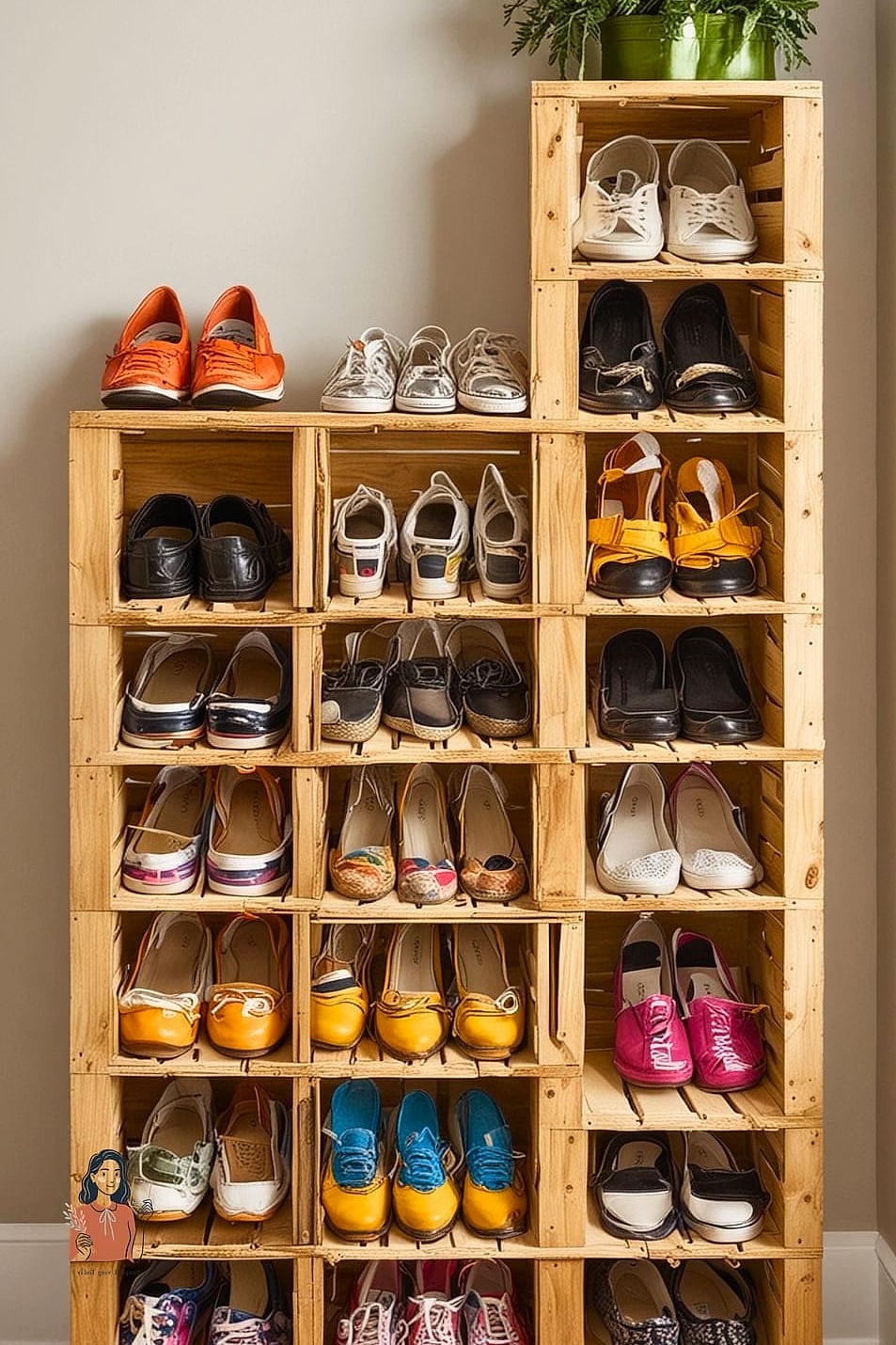
Wood crates from craft stores or reclaimed pallets can be stacked and secured together with screws or brackets to create a cubby-style shoe rack. Each crate holds one or two pairs, and you can arrange them in a pyramid, a straight column, or a staggered pattern depending on your space.
Tension Rod Shoe Shelf
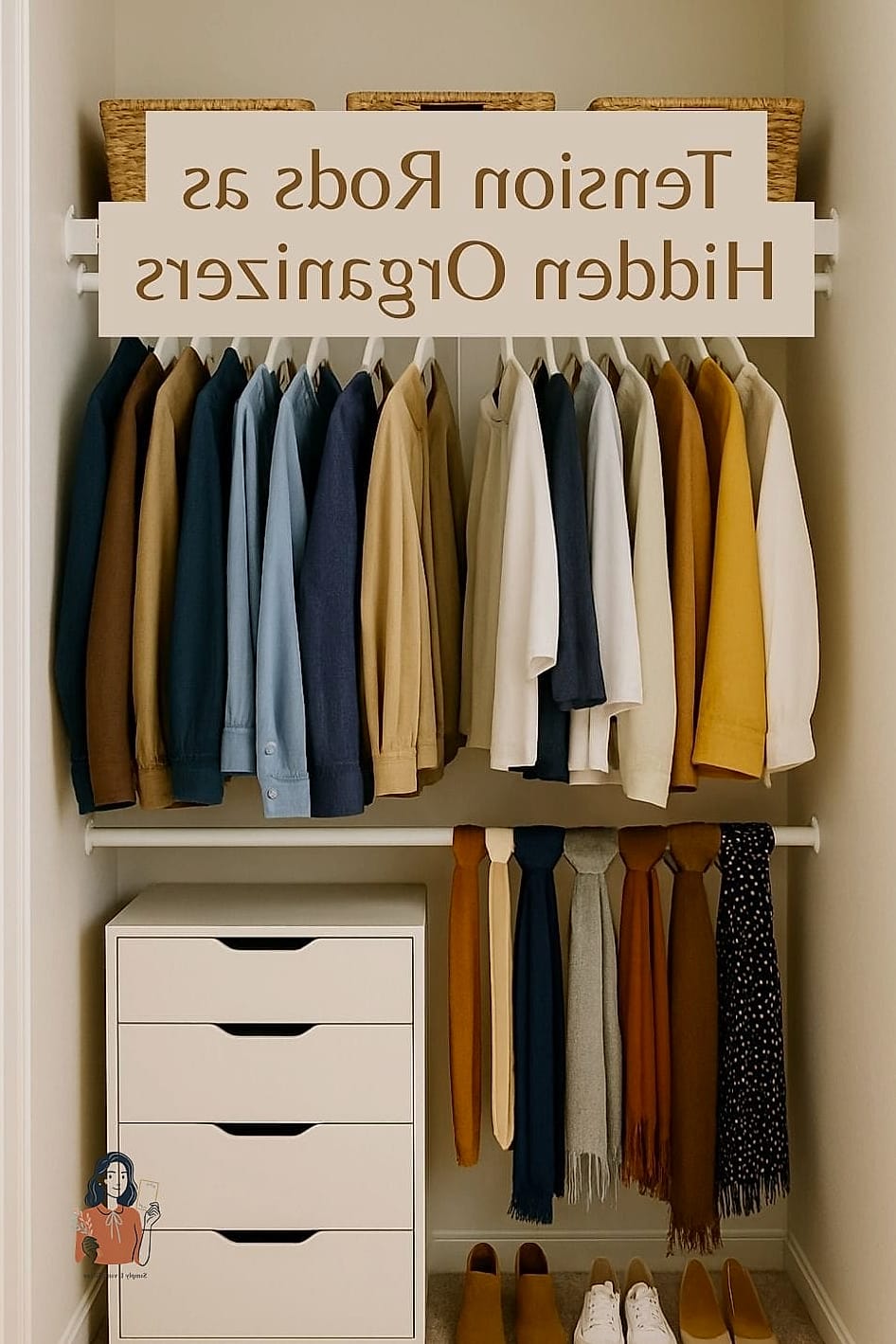
Two tension rods mounted inside a closet, spaced a few inches apart, let you rest shoes heel-first so the toe hangs over the front rod. It’s an almost-free solution since tension rods cost very little, and it works especially well for flats, sandals, and low sneakers.
Command Hook Boot Rack
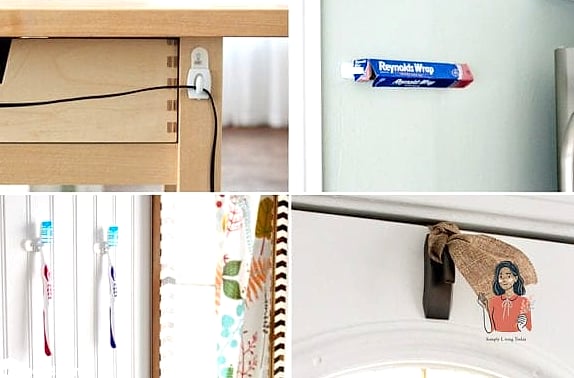
For anyone who wears a lot of boots, adhesive hooks mounted along a wall can hold boots upside down by their heels or straps. This keeps them off the floor, lets them air out, and takes up almost no space. It’s ideal for renters since it requires no drilling.
Repurposed Bookshelf Shoe Rack
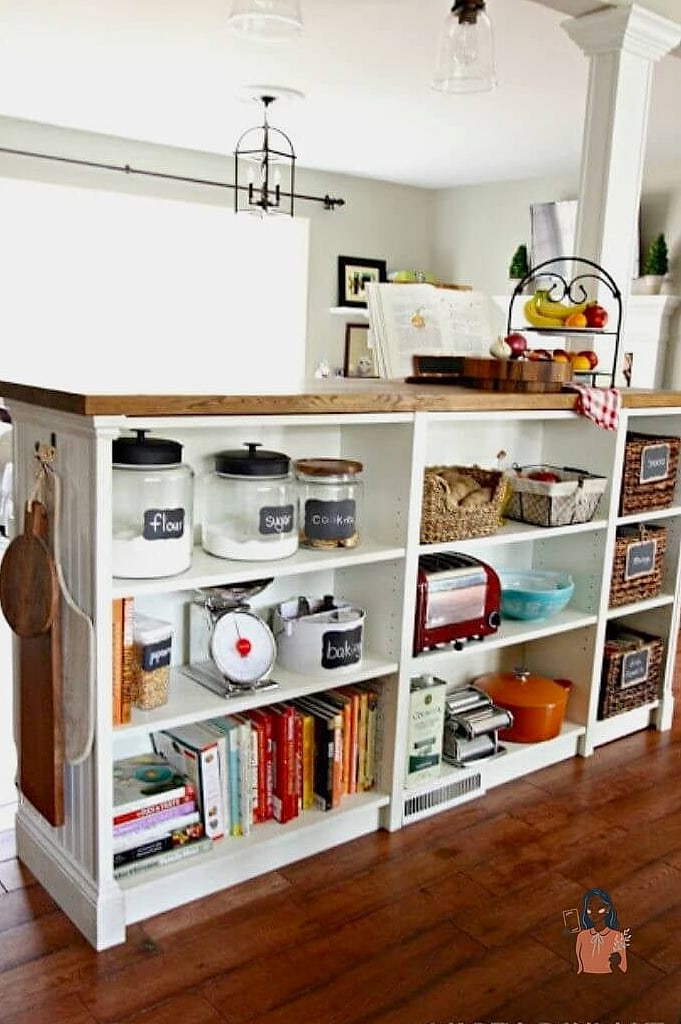
An old bookshelf, laid on its back or used upright, instantly becomes shoe storage. Adjustable shelves mean you can create taller compartments for boots and shorter ones for flats. This is a great option if you already have a bookshelf sitting unused in a garage or basement.
Wine Rack Shoe Storage
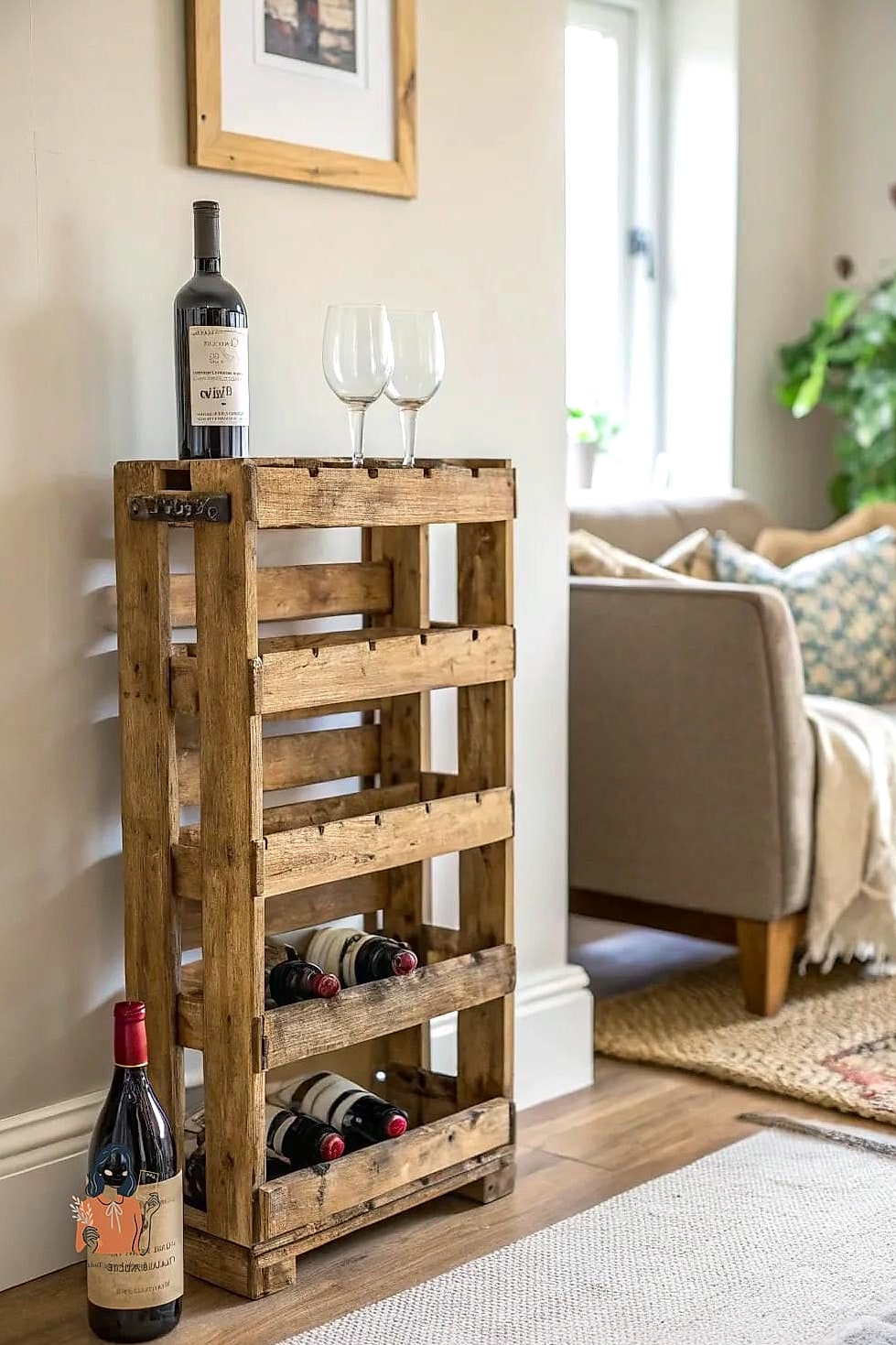
Wooden wine racks with diagonal cubbies work surprisingly well for storing heels, flats, and sandals. Each shoe slides into its own slot, keeping pairs separated and easy to grab. Thrift stores often have these for very little money, which makes this one of the more budget-friendly ideas on this list.
Pallet Wood Shoe Rack
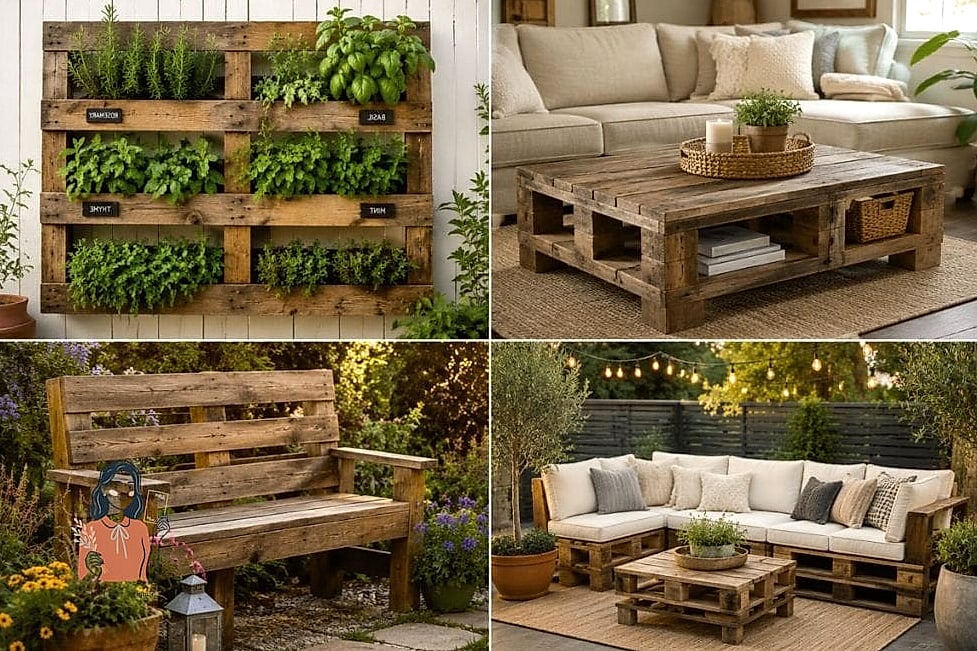
A single pallet, sanded down and stood on its side, creates built-in slots perfect for shoes. You can leave the wood raw for a rustic look or stain it to match your existing furniture. Pallets are often free or very cheap, making this a low-cost option for garages or mudrooms.
Over-the-Door Shoe Pockets
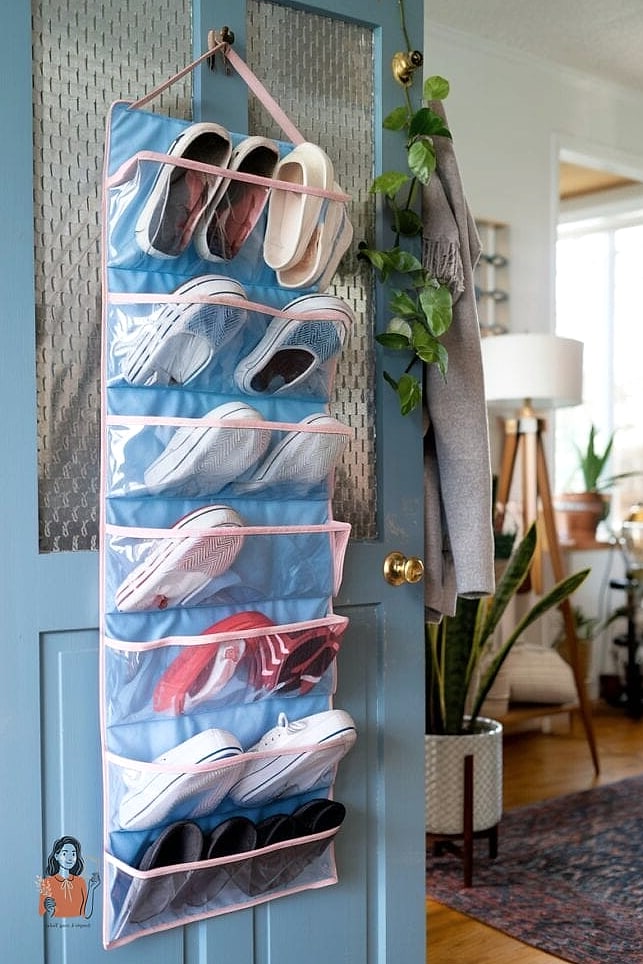
Fabric over-the-door organizers with individual pockets are one of the simplest solutions if you want something ready-made but still affordable. Mount it on the back of a closet or bedroom door, and it stores shoes vertically without taking up any floor space at all.
Floating Shelf Shoe Ledges
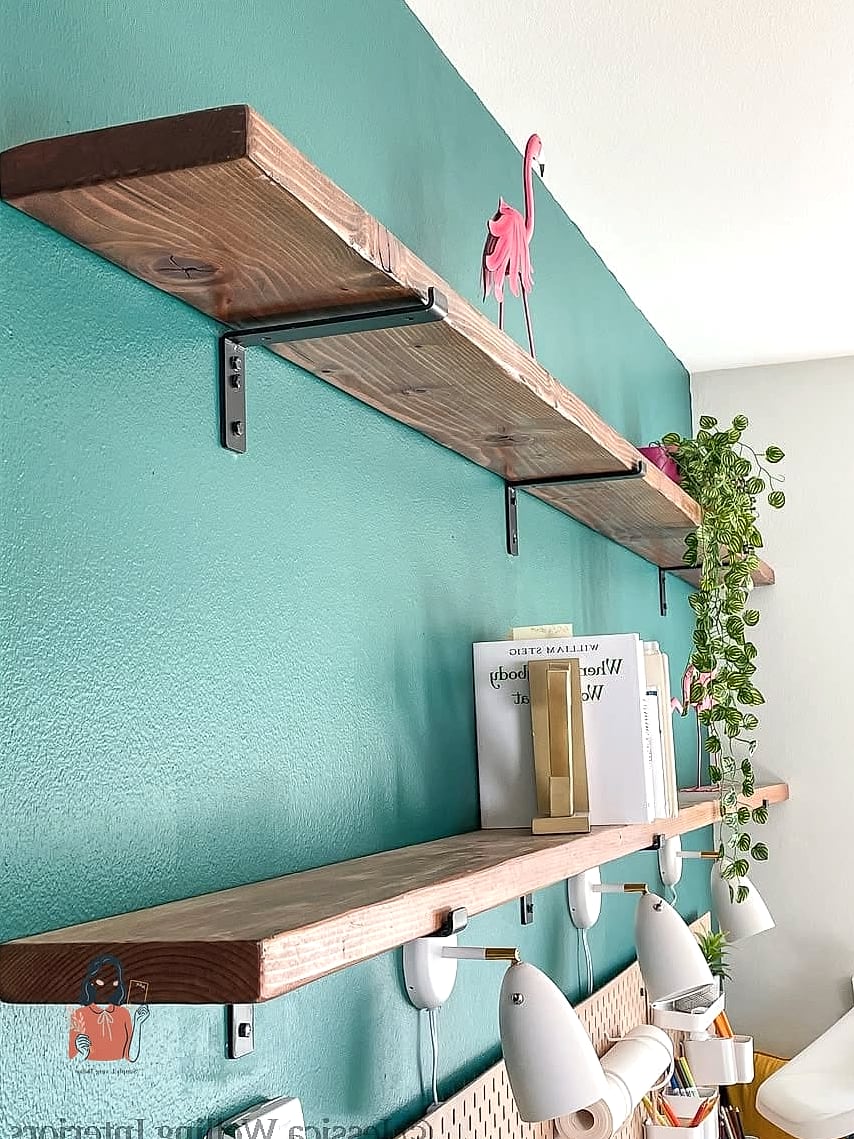
Install a few floating shelves at staggered heights along a wall, and let each shoe rest sideways on its own ledge. This creates a display-style rack that looks intentional rather than utilitarian, and it works particularly well for showing off a small collection of sneakers.
Mason Jar Wall Rack for Kids’ Shoes
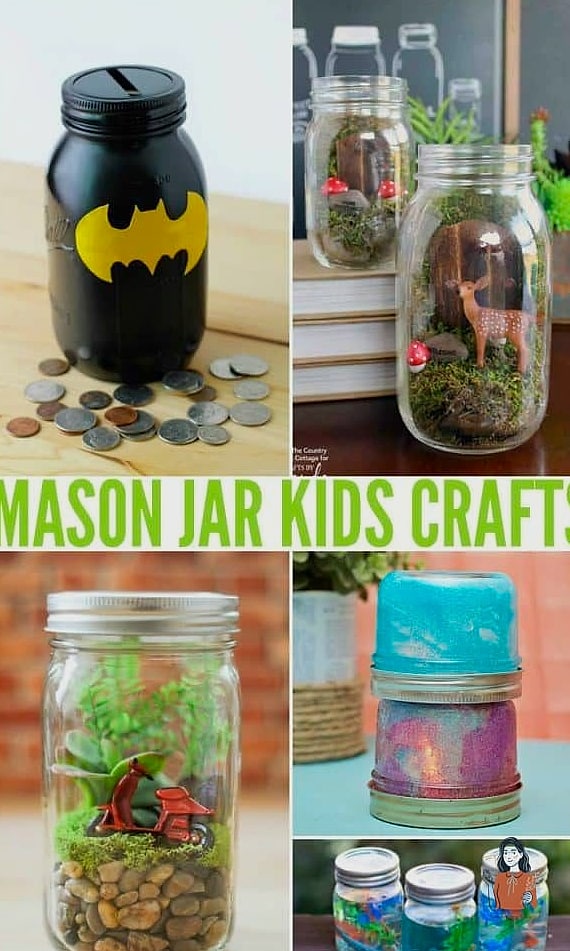
For small children’s shoes, mount wide-mouth mason jars sideways in a wood frame or on wall brackets. Each jar holds one shoe, keeping pairs matched and easy for kids to find on their own. It’s a fun, colorful option for a mudroom or kids’ closet.
Milk Crate Cubby Wall

Plastic or wood milk crates can be mounted directly to a wall in a grid pattern, creating individual cubbies for each pair of shoes. This is a favorite for garages and basements because the crates are sturdy, inexpensive, and easy to rearrange later if your storage needs change.
Rain Gutter Shoe Shelves

Lengths of vinyl rain gutter, mounted horizontally along a wall, create narrow shelves that hold shoes toe-out. This is a clever, low-cost option that works especially well for sneakers and kids’ shoes since the shallow depth keeps everything visible.
Bamboo Steamer Basket Rack
Stacked bamboo steamer baskets, the kind used for cooking, make an unexpectedly attractive shoe rack when placed on a shelf or the floor. Each basket holds a pair, and the natural material fits nicely into a minimalist or Scandinavian-style entryway.
Cubby Shelf From Stacked Crates
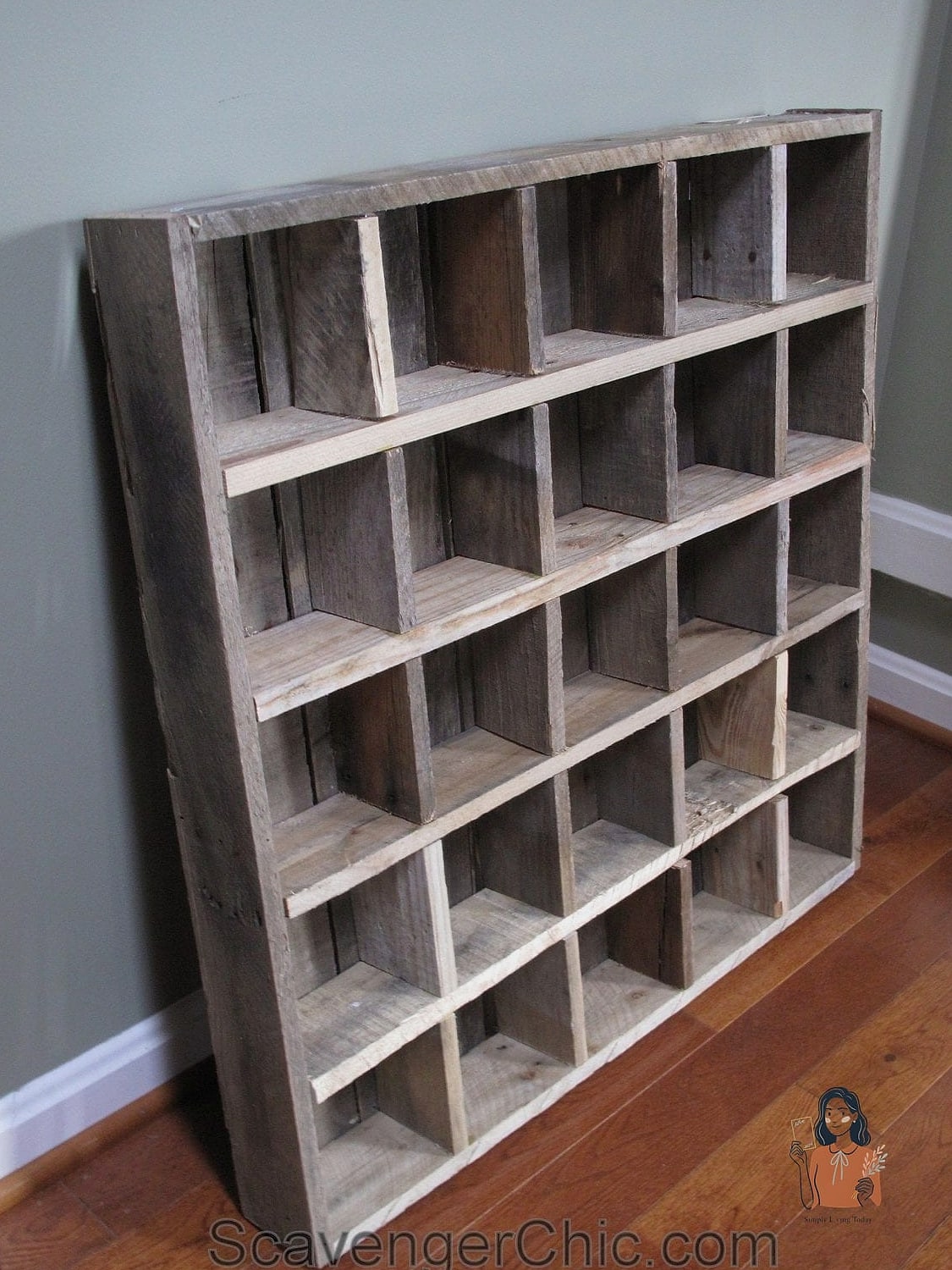
Similar to the crate rack but oriented for a walk-in closet, stack wooden or wire crates into a cube pattern and secure them together. This creates a grid of individual compartments and can be built taller or wider depending on the wall space you have available.
Slanted Shoe Shelf Build
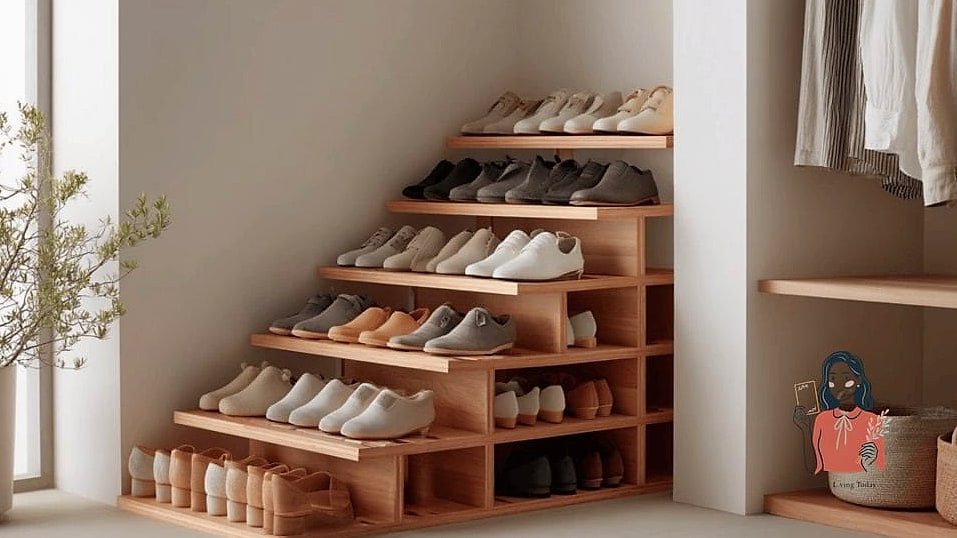
Using a few pieces of scrap wood, build simple triangular shelves that angle downward, letting shoes rest naturally without sliding off. This design uses less wood than a flat shelf system and creates a more visually interesting rack for a hallway or entry closet.
Repurposed Dresser Drawers as Shoe Cubbies
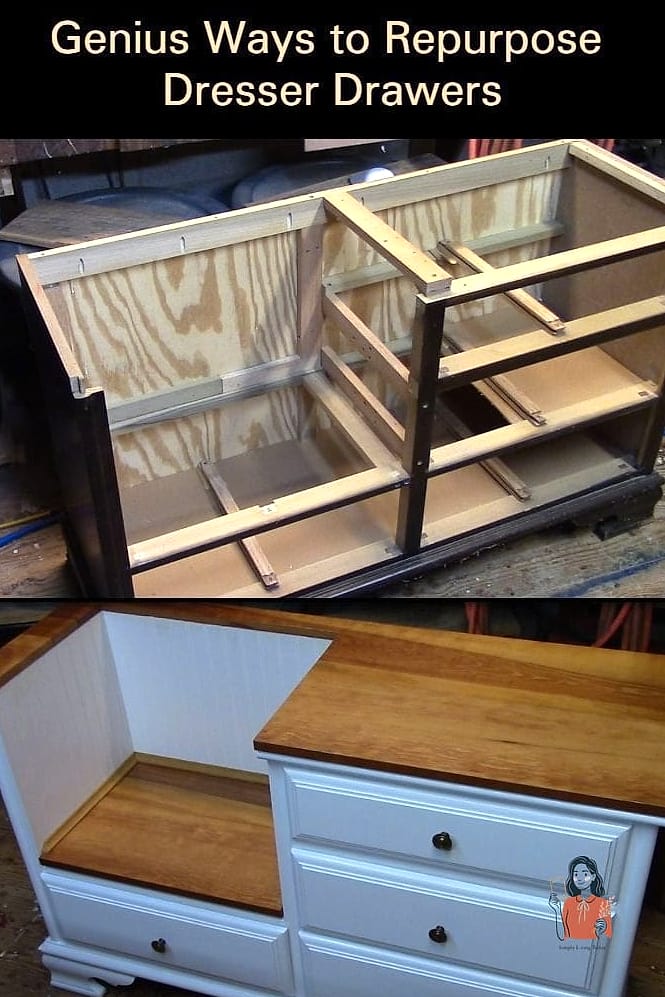
If you have an old dresser you’re not using, remove the drawers and mount them individually on the wall as open-faced shoe cubbies. Each drawer becomes its own compartment, and the existing hardware often adds a decorative touch without any extra cost.
Chicken Wire and Wood Frame Shelf

Build a simple wood frame and staple chicken wire across the front to create a rustic-industrial rack that lets shoes air out. This is a favorite for mudrooms and garages because the open wire design keeps things from feeling too enclosed.
Closet Rod Shoe Hangers
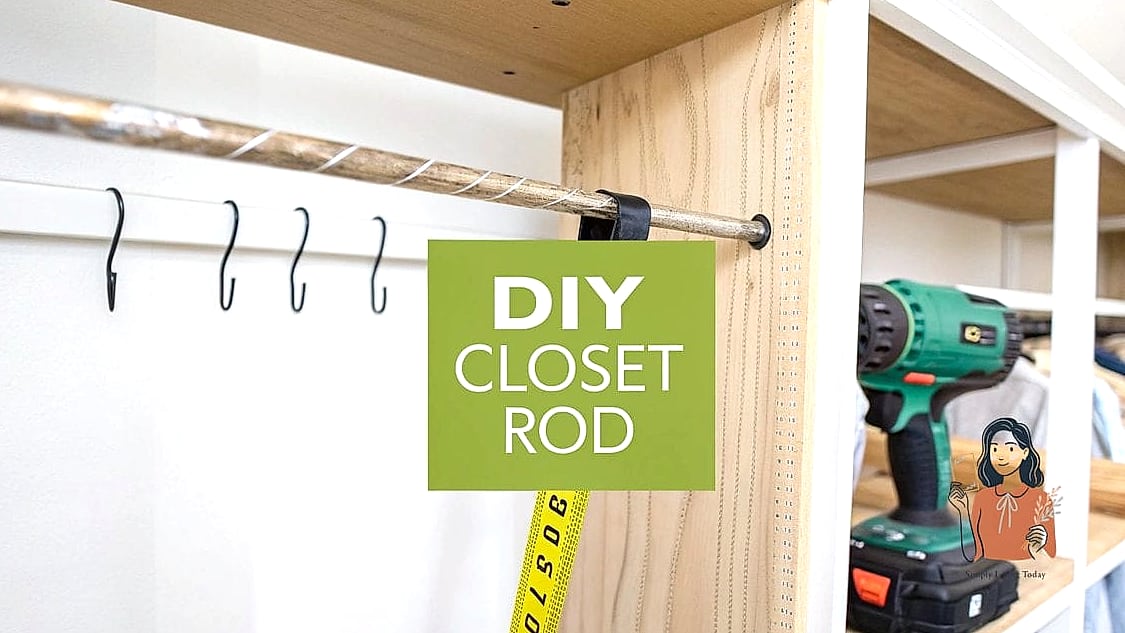
Clip-style shoe hangers designed for closet rods let you hang multiple pairs vertically using minimal horizontal space. This is one of the easiest options on the list since it requires no building at all, just an existing closet rod and a set of inexpensive hangers.
Concrete Block and Pipe Shelf
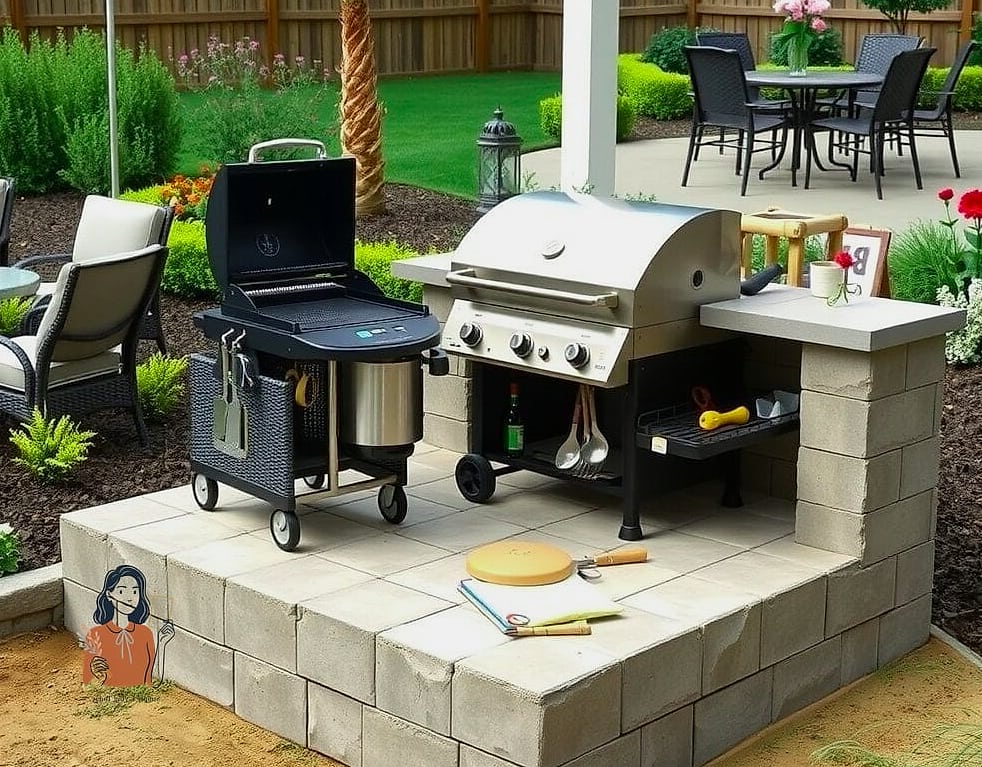
Similar to the cinder block idea, this version uses metal pipe fittings and wood boards for a slightly more industrial look. It’s sturdy enough for boots and heavier shoes, and the exposed pipe adds a modern, loft-style feel to a mudroom or hallway.
Repurposed Step Stool Shoe Display
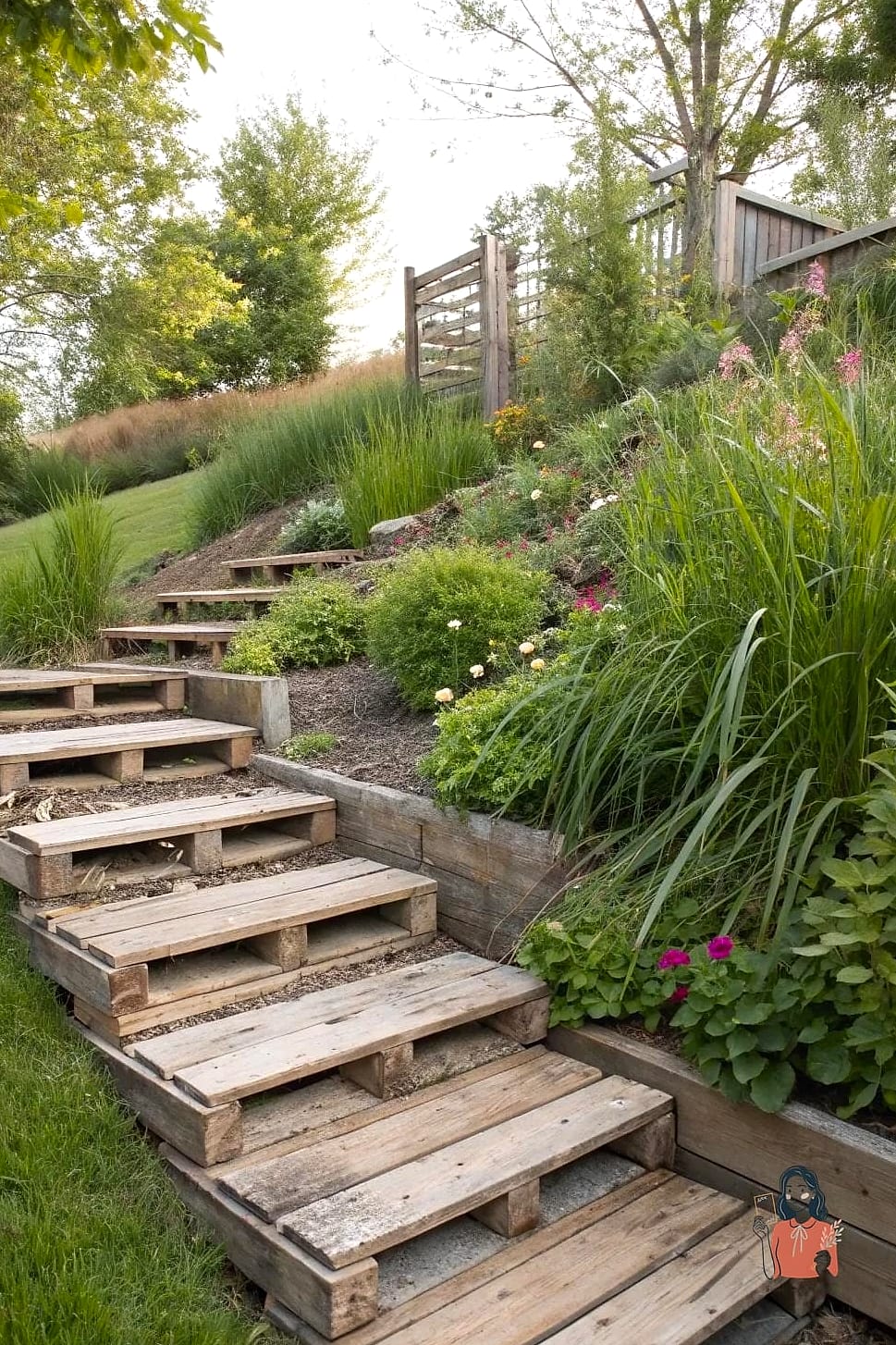
An old wooden step stool, turned on its side or used upright, creates built-in shelves for a small shoe collection. This works especially well near a front door where you only need to store a few frequently worn pairs.
Cardboard Cubby Rack
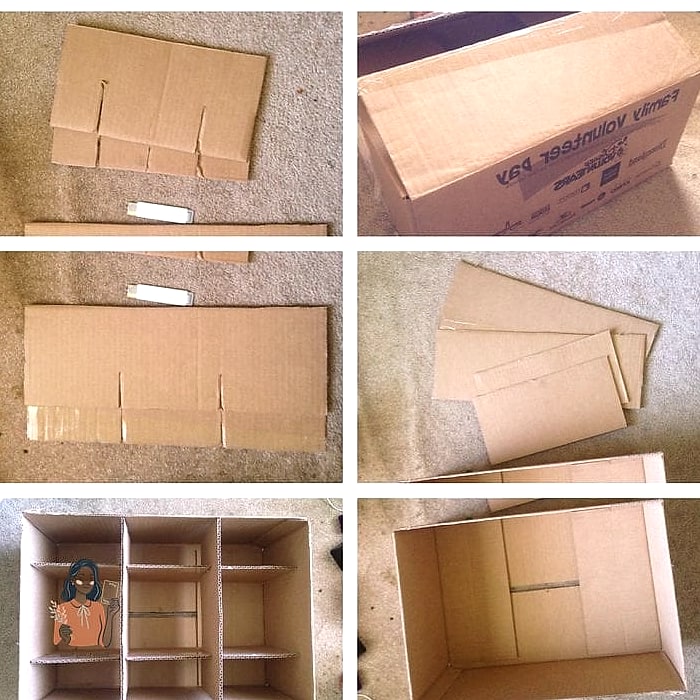
For a genuinely free option, sturdy cardboard boxes can be cut and stacked into a cubby system, then covered with fabric or contact paper to make them more durable and attractive. This is a great short-term solution for dorm rooms, rentals, or anyone testing out a storage layout before committing to a permanent build.
Wall-Mounted Pegboard Shoe Rack

A pegboard panel with adjustable hooks and small shelves lets you customize your shoe storage exactly to your collection. Move pegs around as your shoe collection changes, and add labels or paint to match the rest of your space. This is especially useful for households where shoe sizes and quantities change often.
Wooden Crate Bench With Shoe Storage Underneath
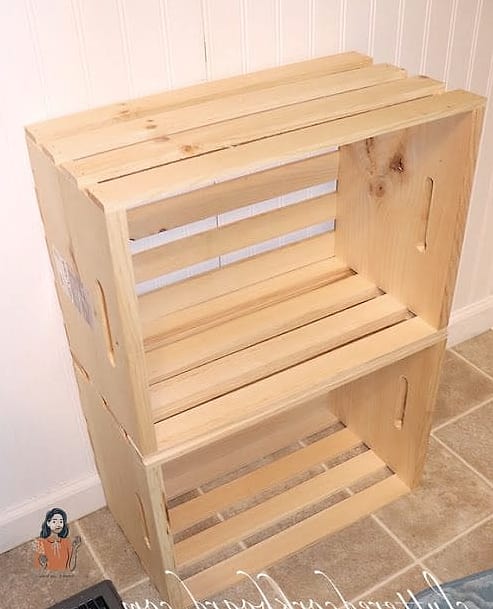
Build or repurpose a low wood bench, then place a shoe rack or a row of crates underneath it. This gives you a place to sit while putting shoes on, plus built-in storage below, making it one of the more functional projects for a busy entryway.
Whichever project fits your space and your skill level, the goal is the same: fewer shoes on the floor and an entryway that actually feels organized. Most of these ideas can be finished in an afternoon, use materials you may already have lying around, and can be adjusted in size as your shoe collection grows. Start with whichever one matches the tools you already own, and you’ll likely be surprised how quickly the clutter disappears.