21 Amazing Diy Compost Bin That Will Transform Your Space
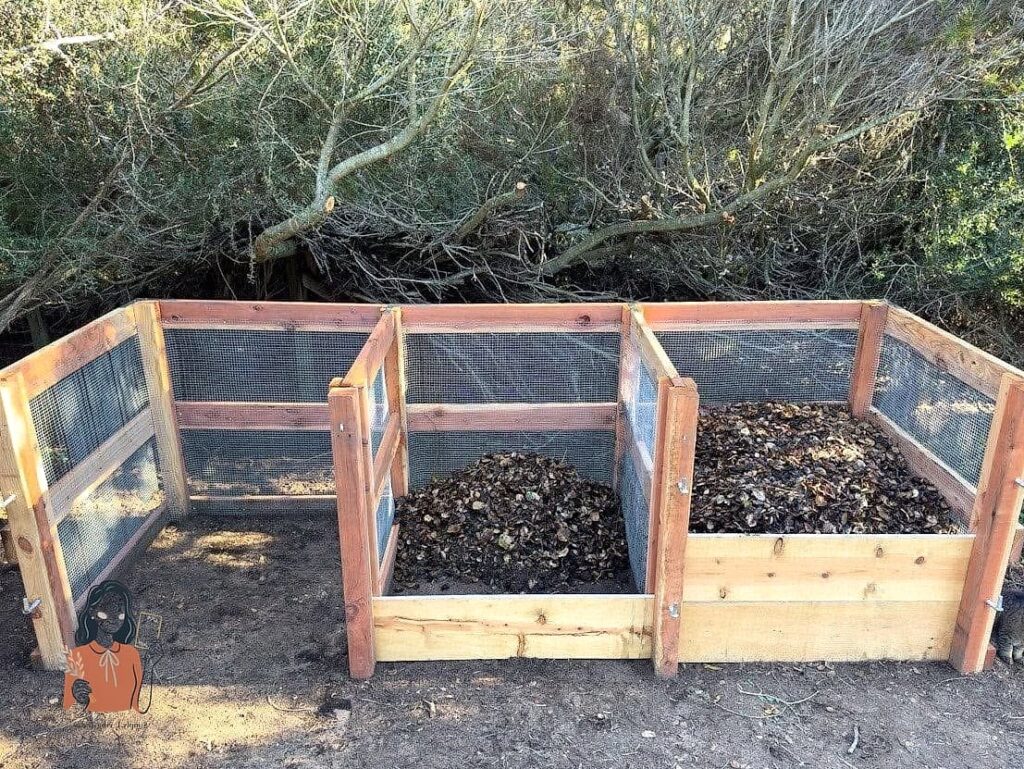
- Wooden Pallet Compost Bin
- Wire Mesh Cylinder Bin
- Trash Can Tumbler
- Cinder Block Compost Bin
- Stacked Tire Compost Tower
- Five-Gallon Bucket System
- Wooden Pallet Three-Bin System
- Repurposed Dresser Drawer Bin
- Concrete Block and Wood Hybrid Bin
- Compost Bin From a Plastic Storage Tote
- Wooden Slatted Box Bin
- Chicken Wire and Wood Frame Combo
- Worm Composting Bin (Vermicomposting)
- Compost Bin From a Metal Trash Can
- Raised Bed Style Compost Bin
- Stackable Crate Compost Bin
- Compost Bin Built Into a Garden Corner
- Ceramic Countertop Compost Crock
- Compost Bin From Old Window Frames
- Compact Balcony Compost Bin
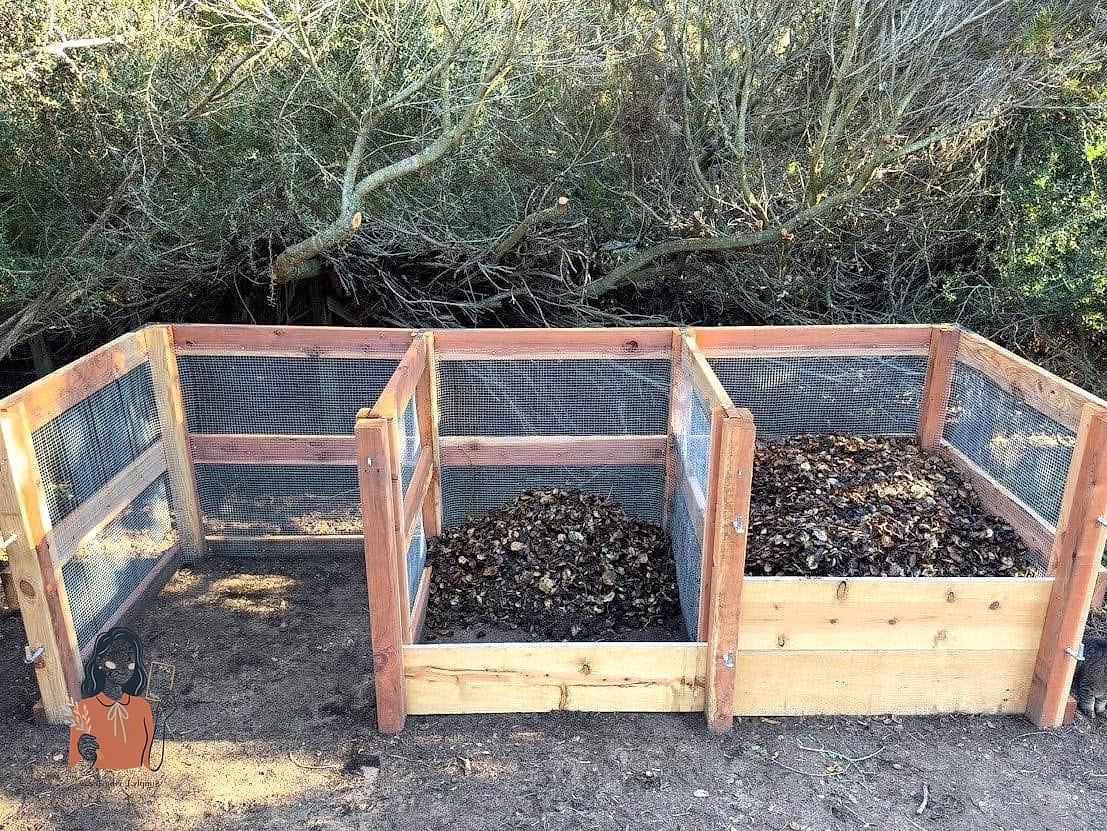
- Multi-Chamber Wooden Compost Box
Thought for 4s
21 Amazing Diy Compost Bin That Will Transform Your Space
Composting sounds intimidating until you actually build a bin and realize it’s mostly just… containing stuff while nature does its thing. The right bin makes the difference between a tidy corner of your yard and a pile that attracts every raccoon in the neighborhood.
I’ve tested, borrowed, and flat-out stolen ideas from gardeners over the years, and these 21 options cover every budget, space size, and skill level. Whether you’ve got a sprawling backyard or a cramped apartment balcony, there’s a setup here that fits.
Wooden Pallet Compost Bin
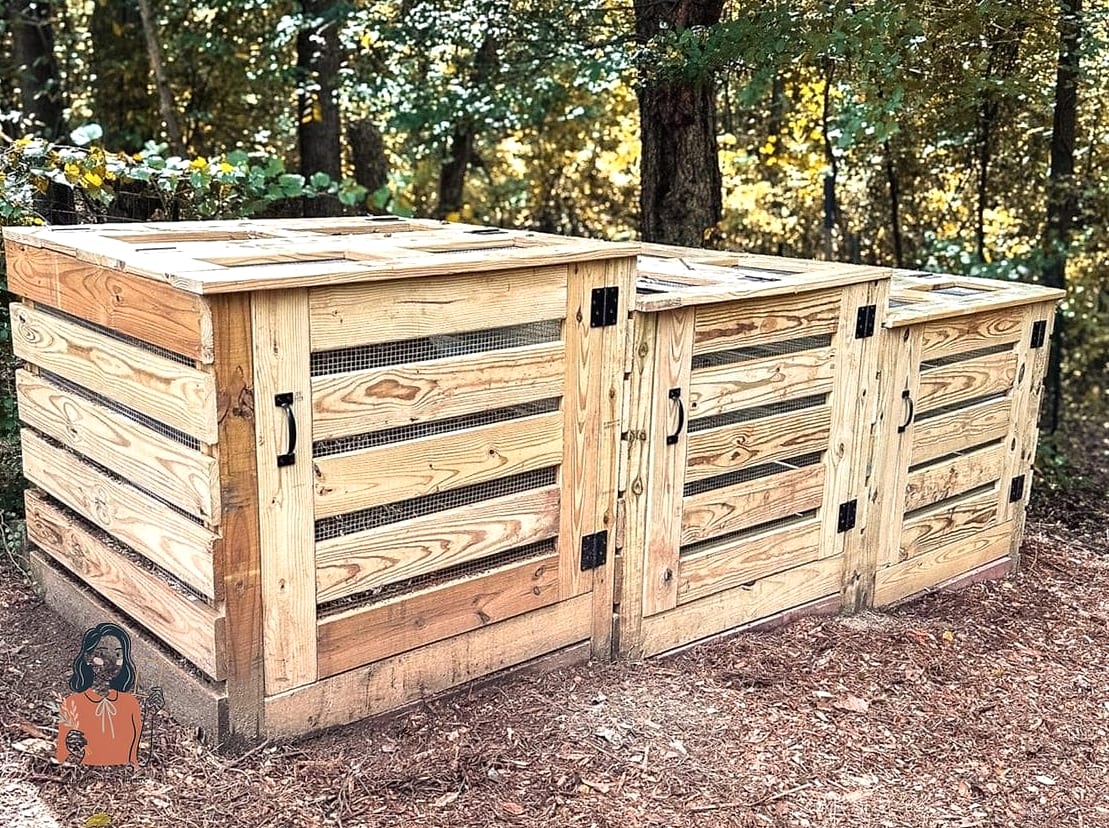
This is the classic starter project, and for good reason. Grab three or four pallets, stand them upright to form a square or rectangle, and zip-tie or screw the corners together. Leave one side hinged or removable so you can access the pile easily.
It’s ideal for backyards with room to spare, and it costs next to nothing if you can source pallets for free from a hardware store or shipping facility. The gaps between slats give great airflow, which speeds up decomposition.
Wire Mesh Cylinder Bin
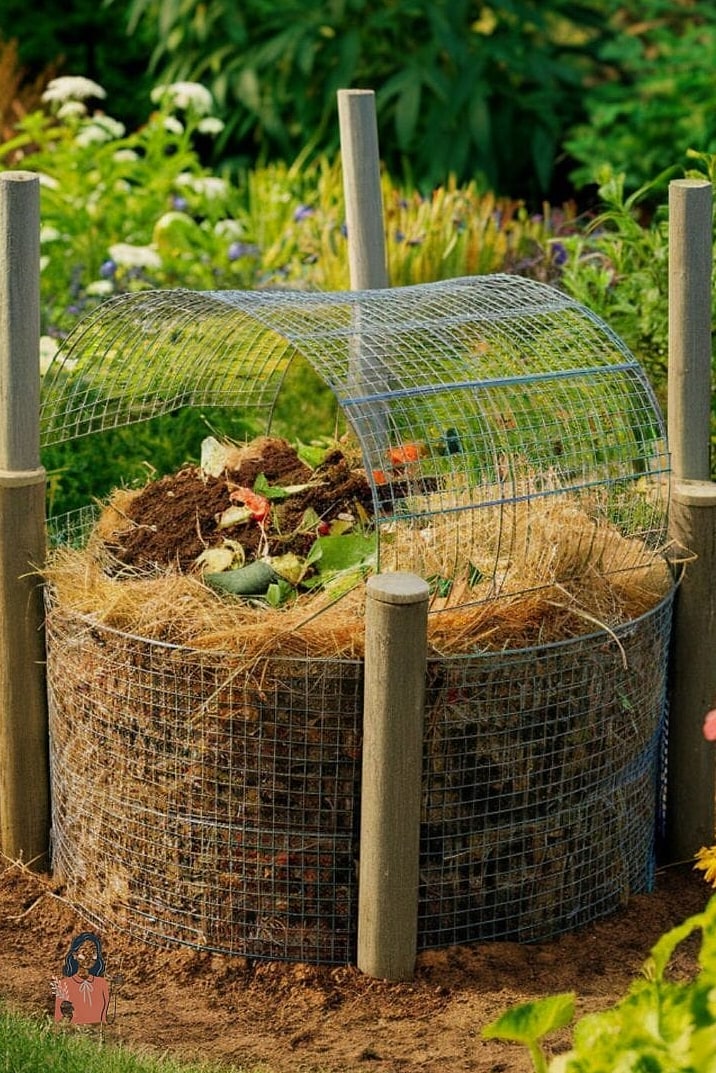
Take a roll of galvanized hardware cloth or chicken wire, form it into a cylinder about three feet in diameter, and secure the ends together. Stand it up in a sunny spot and start filling it with scraps and yard waste.
This one is perfect for small yards since you can make the diameter as tight or wide as your space allows. It’s also easy to lift off the pile when you need to turn or harvest finished compost.
Trash Can Tumbler
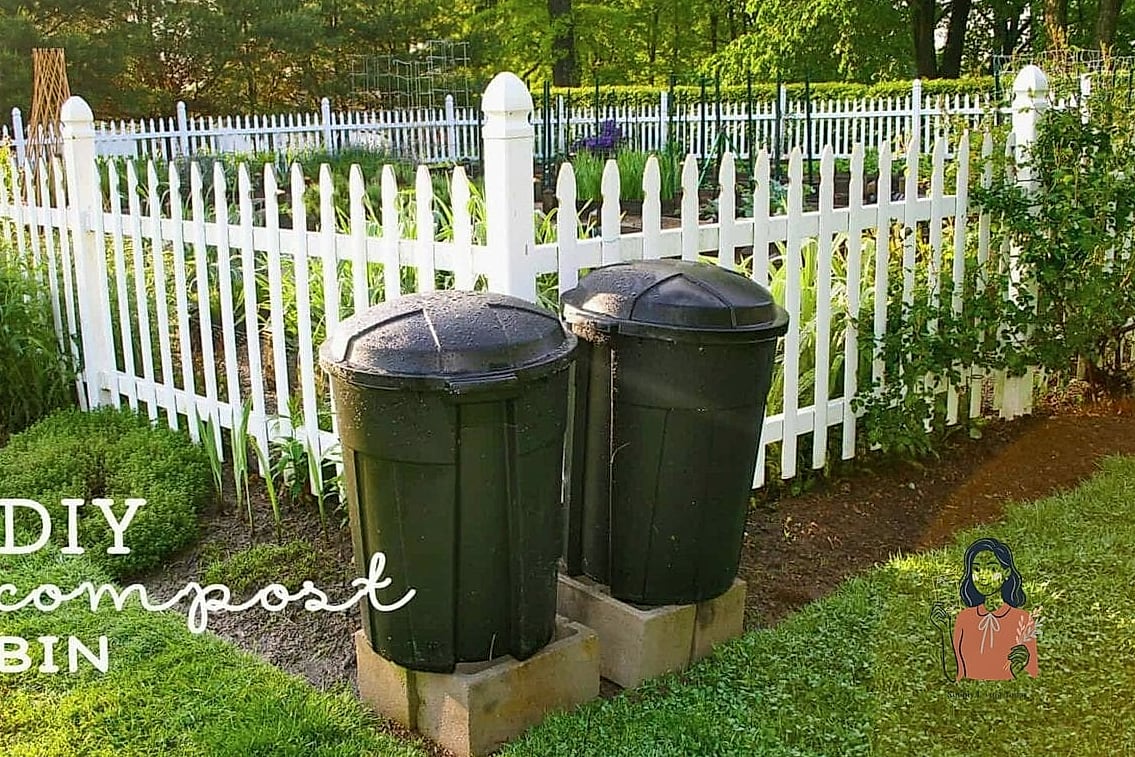
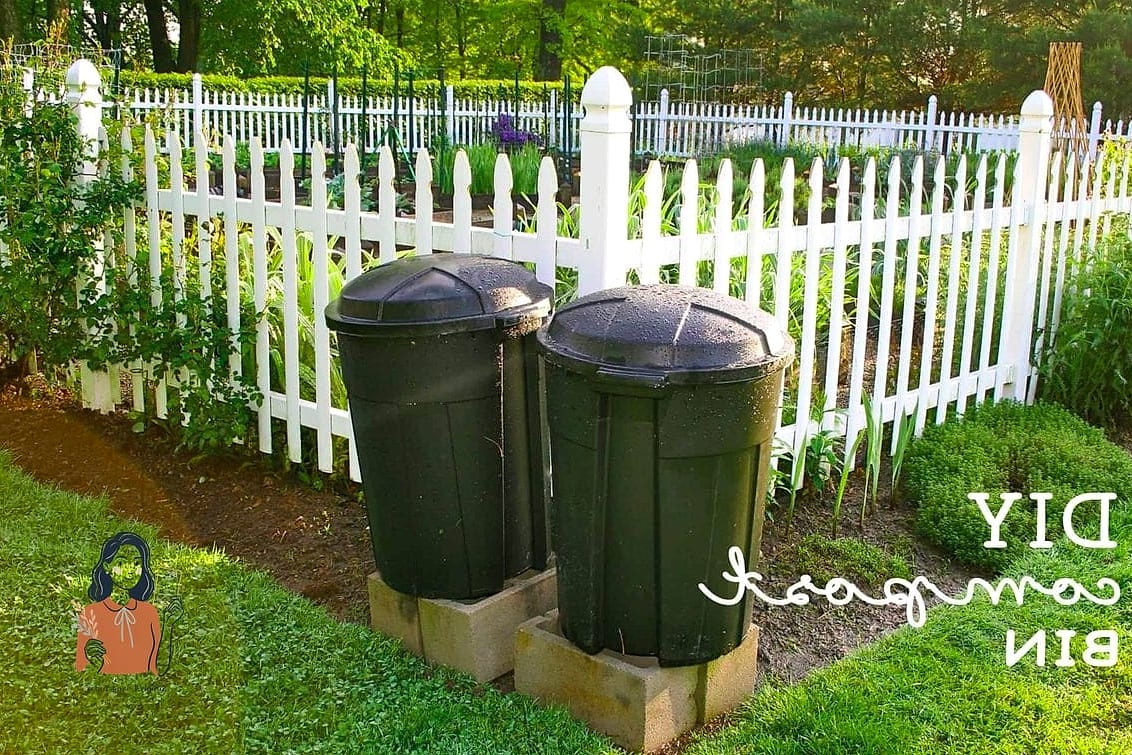
Drill rows of small holes all around a plastic garbage can with a locking lid, then mount it on a simple frame so it can roll or spin. Tumbling mixes the contents and speeds up breakdown significantly compared to a stationary pile.
This works well for smaller households that don’t generate huge volumes of scraps. It’s also a great option if pests are a concern, since the sealed lid keeps critters out.
Cinder Block Compost Bin
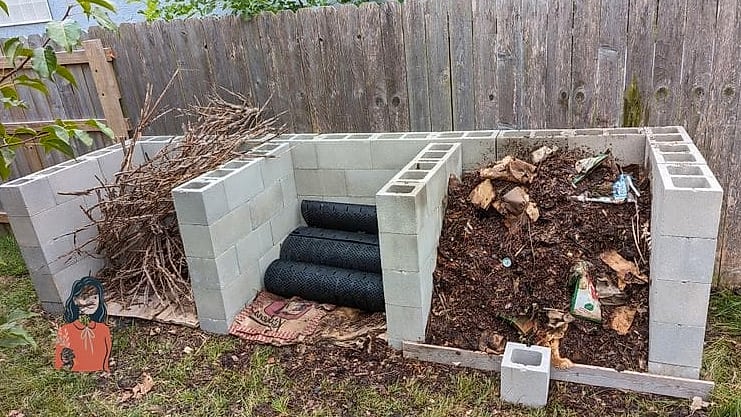
Stack cinder blocks in a U-shape or square, leaving the holes exposed for airflow, and skip the mortar entirely so you can rearrange or expand later. This is one of the sturdiest builds on this list and holds up beautifully outdoors year-round.
It suits gardeners who want a permanent fixture rather than something they’ll move around. The upfront cost is a bit higher than pallets, but cinder blocks last essentially forever.
Stacked Tire Compost Tower
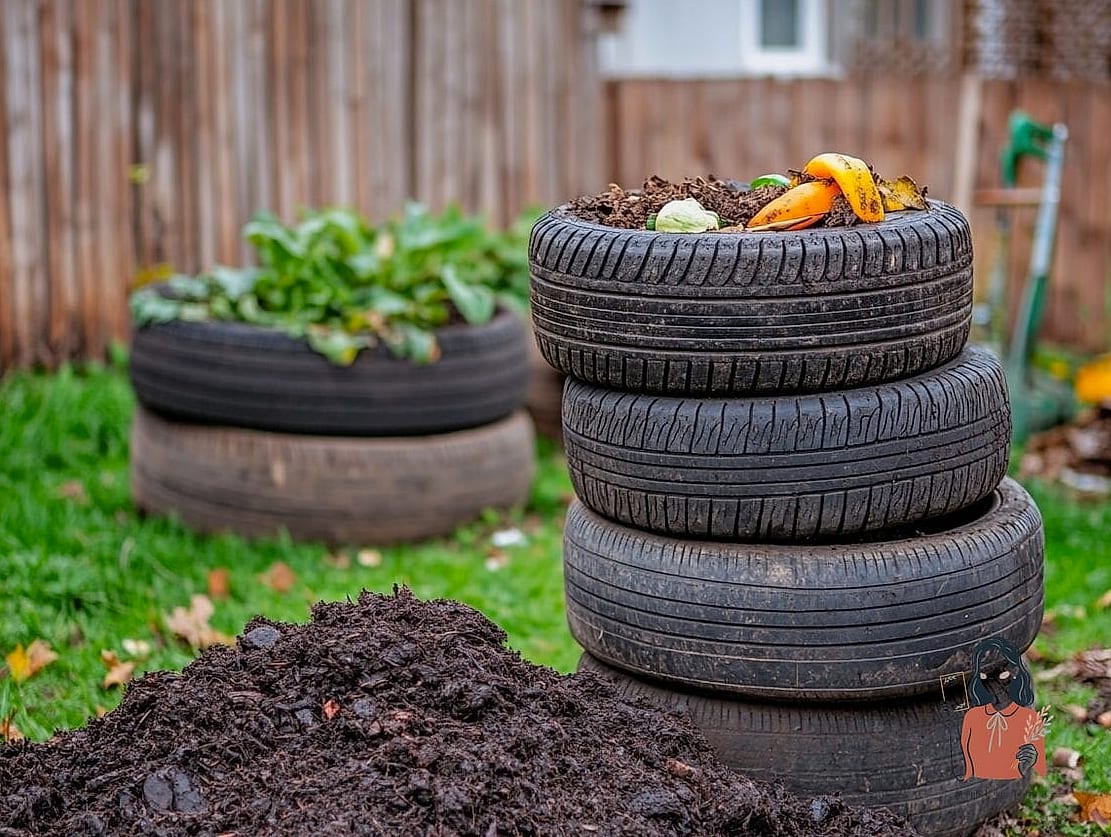
Old tires stacked three or four high create a surprisingly effective compost tower. Each tire acts like a layer, and you simply add more tires as the pile grows taller.
This is a genuinely budget-friendly option if you already have old tires sitting around, and it’s a nice way to repurpose something that would otherwise go to a landfill. Keep in mind tires retain heat, so this setup can actually help compost break down faster in cooler climates.
Five-Gallon Bucket System
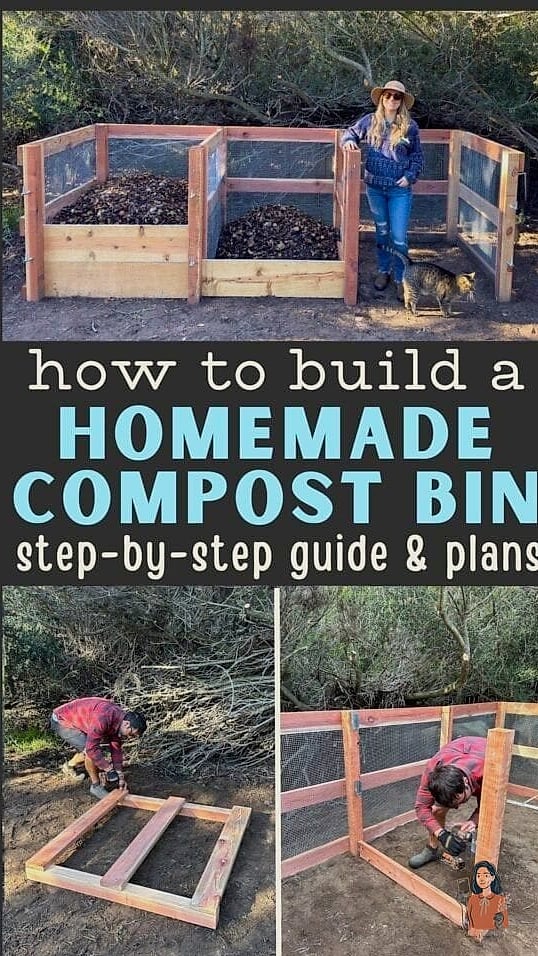
Drill drainage and airflow holes into a few stackable five-gallon buckets, and use one for active scraps while the others cure. This tiny-footprint option is ideal for balconies, patios, or anyone without a yard at all.
Rotate through the buckets as each one fills, giving the earlier ones time to break down undisturbed. It’s not going to handle a huge volume, but for a couple of people, it’s plenty.
Wooden Pallet Three-Bin System
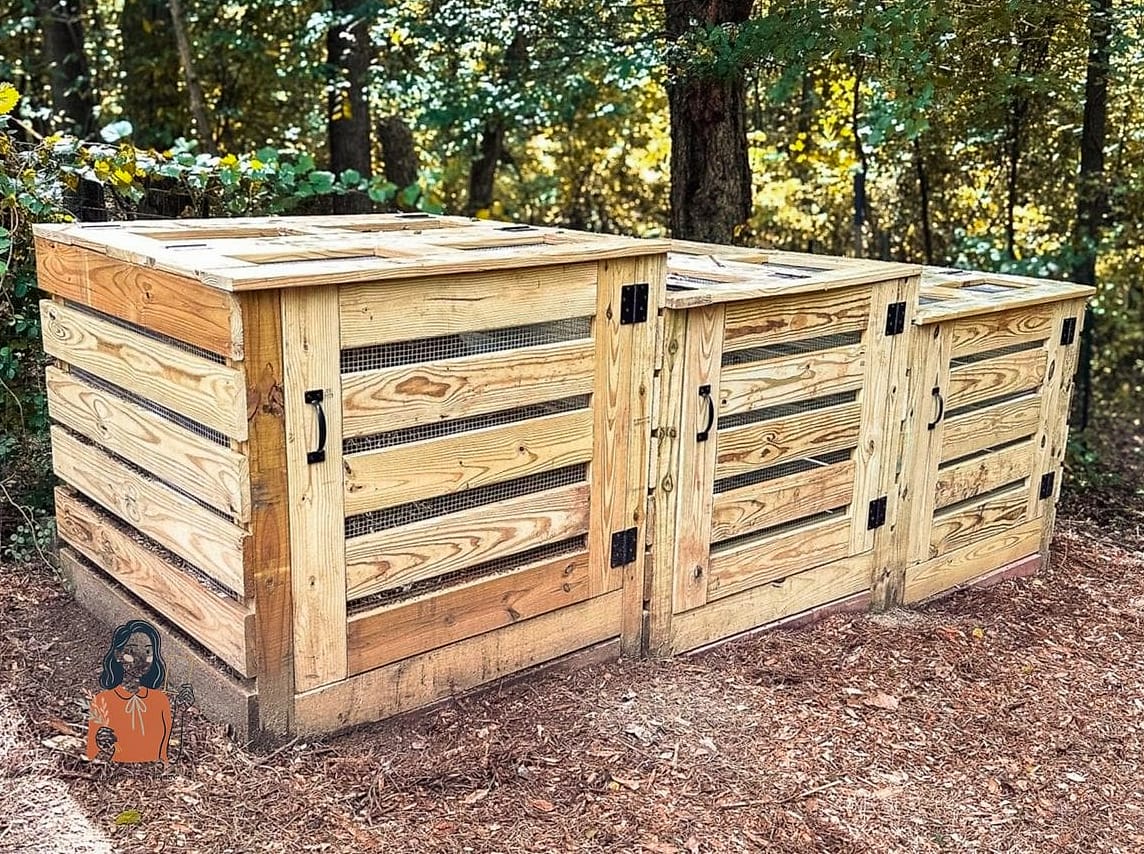
Instead of one single bin, build three connected sections using pallets, so you can move compost from “fresh” to “curing” to “finished” as it progresses. This setup is best for anyone serious about composting regularly and wanting a steady supply of finished material.
It takes up more space than a single bin, so it’s better suited to larger properties. The payoff is a continuous composting system that never leaves you without usable soil.
Repurposed Dresser Drawer Bin
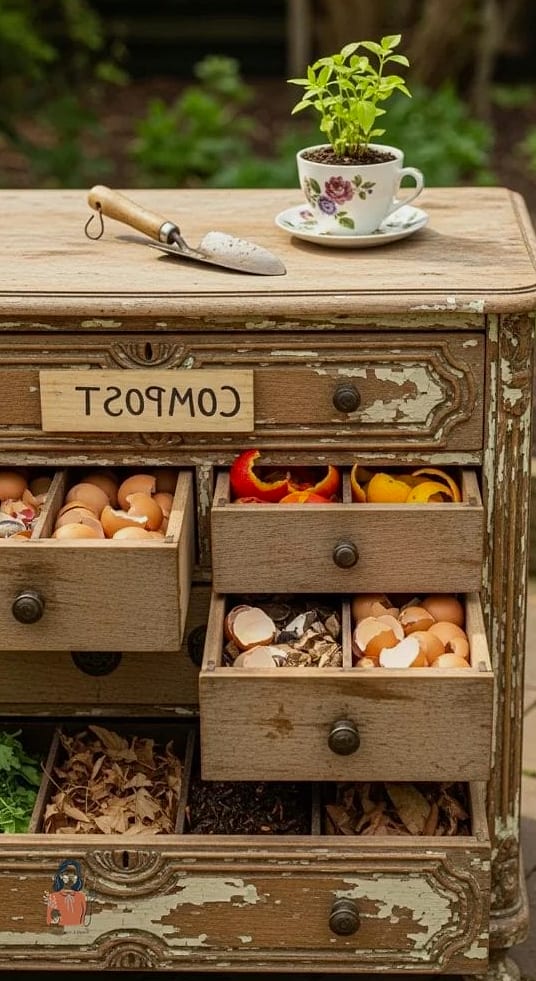
An old dresser with the drawers removed can become a surprisingly charming compost station. Line each drawer opening with wire mesh for airflow and stack the frame like a mini compost tower.
This is a fun option if you like the idea of upcycling furniture that would otherwise be tossed. It also tends to blend into a garden aesthetically better than a plain plastic bin.
Concrete Block and Wood Hybrid Bin
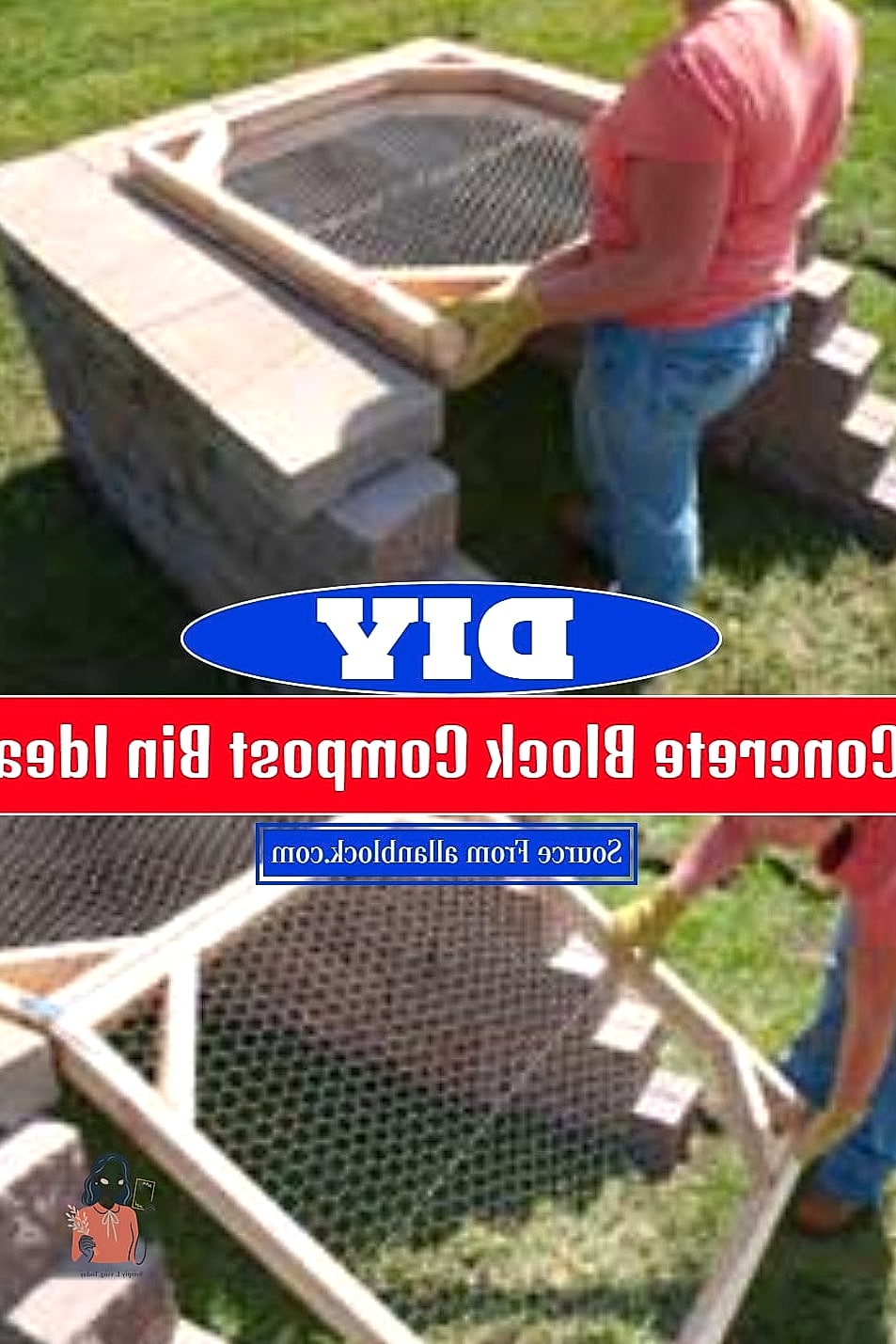
Combine concrete blocks for the base structure with wooden slats across the front for easy access. The blocks provide stability and weight while the wood slats can be slid out to remove finished compost from the bottom.
This hybrid design suits gardeners who want something semi-permanent but still functional day to day. It’s a moderate DIY project, but the result looks intentional rather than thrown together.
Compost Bin From a Plastic Storage Tote
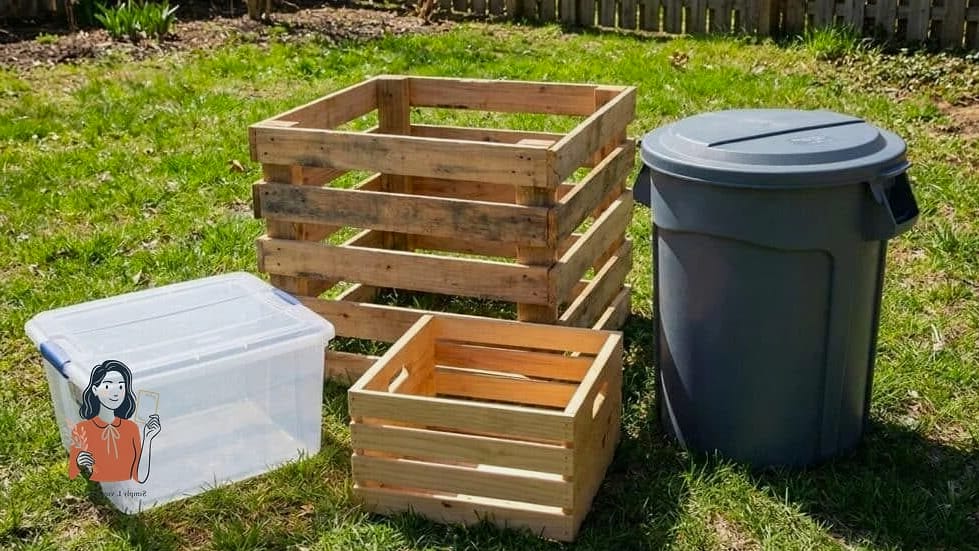
A large plastic tote with a lid, drilled with holes for ventilation, makes one of the simplest possible bins. Add a layer of scraps and browns, close the lid, and shake or stir occasionally.
This is a great low-commitment way to try composting before investing in a bigger structure. It also works indoors in a garage or shed if outdoor space isn’t available.
Wooden Slatted Box Bin
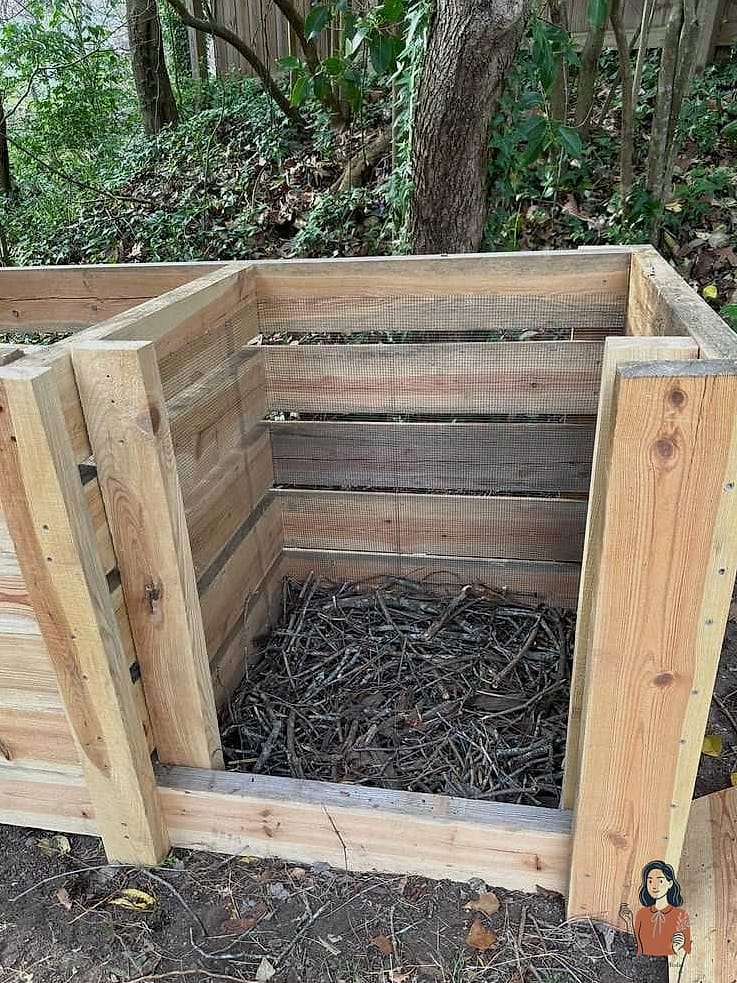
Build a simple open-top box using untreated wood boards with small gaps between each slat for ventilation. This is a step up from pallets in terms of a finished look, since you control the exact dimensions and spacing.
It works well for anyone who wants a compost bin that actually looks nice sitting in a garden bed or near a vegetable patch. Stain or leave the wood natural depending on your outdoor style.
Chicken Wire and Wood Frame Combo
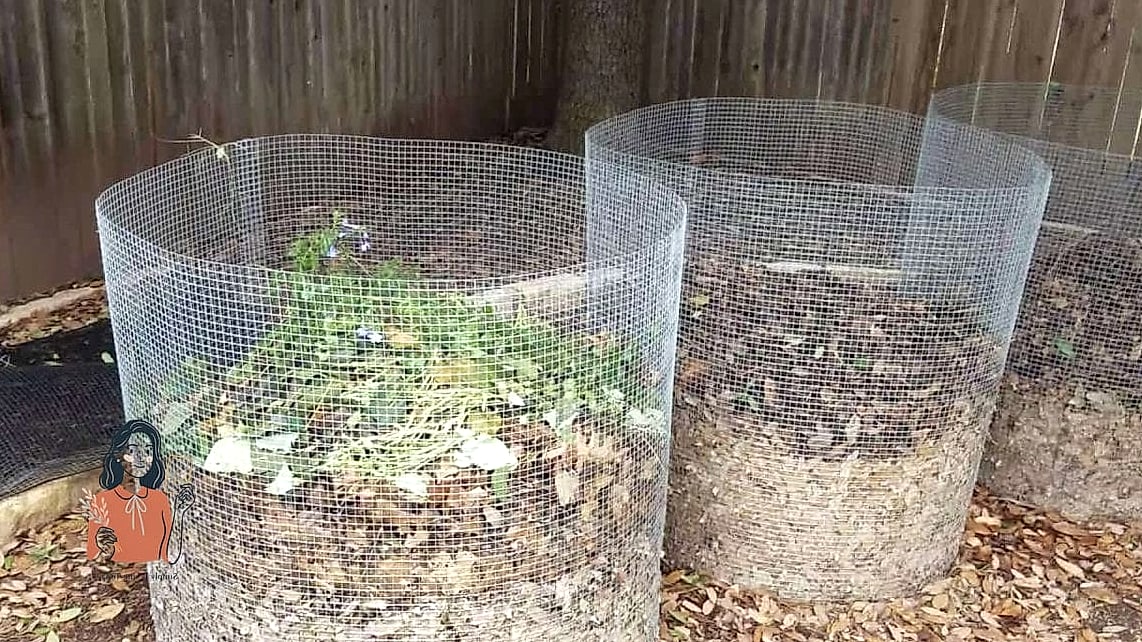
Build a wooden frame using four corner posts, then staple chicken wire around the sides for a lightweight, breathable bin. This gives you more structural stability than wire alone while keeping costs low.
It’s a solid middle-ground option for anyone who wants something sturdier than a wire cylinder but doesn’t need the heft of cinder blocks. Add a hinged wooden lid to keep rain from oversaturating the pile.
Worm Composting Bin (Vermicomposting)
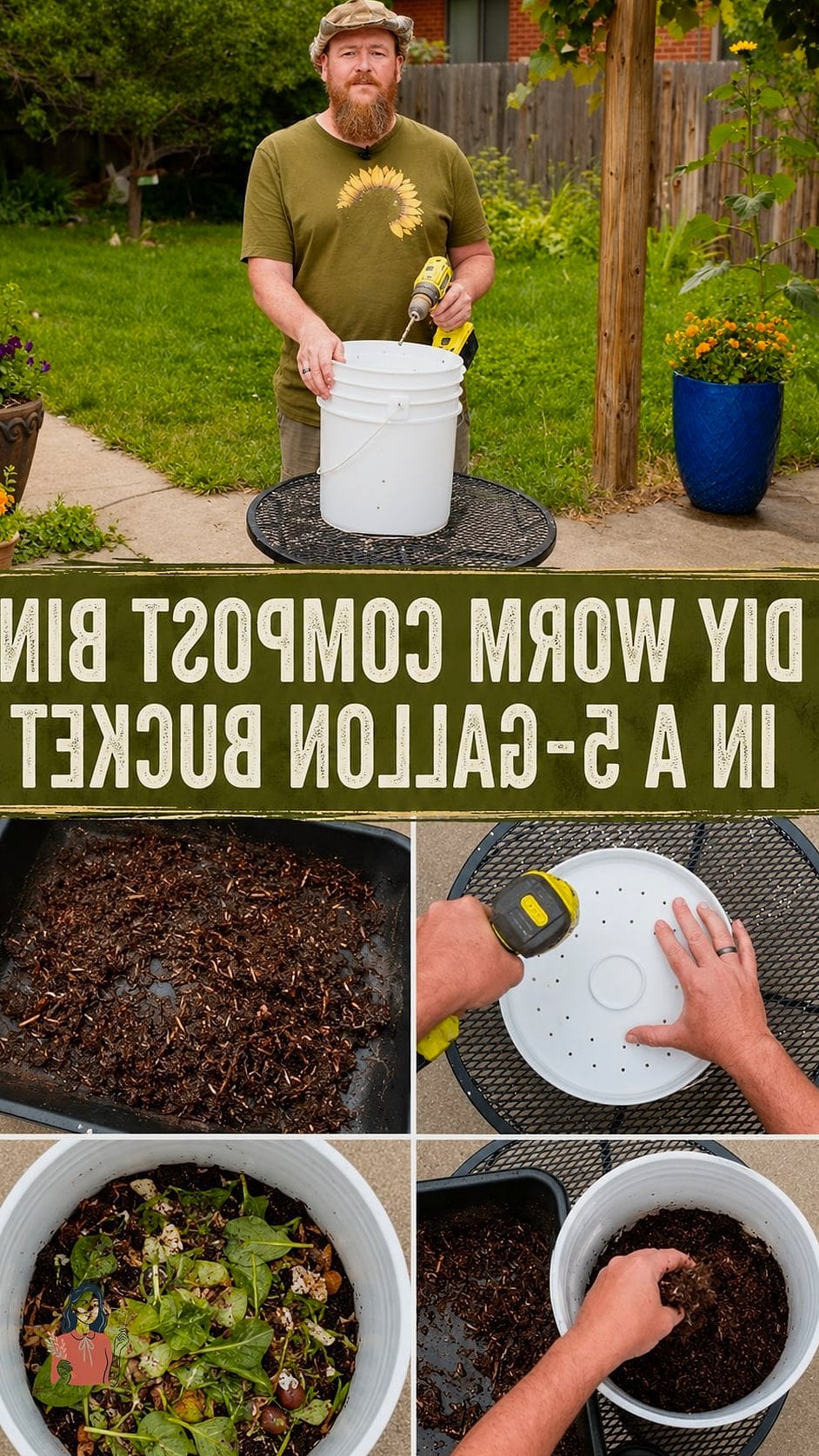
Use a shallow plastic tote with drainage holes, add bedding like shredded newspaper, and introduce red wiggler worms to break down food scraps. This is one of the fastest ways to convert kitchen waste into rich compost.
It’s especially good for apartment dwellers or anyone without outdoor space, since it can live under a sink or in a closet without odor if managed properly. Kids also tend to find worm bins genuinely fascinating.
Compost Bin From a Metal Trash Can
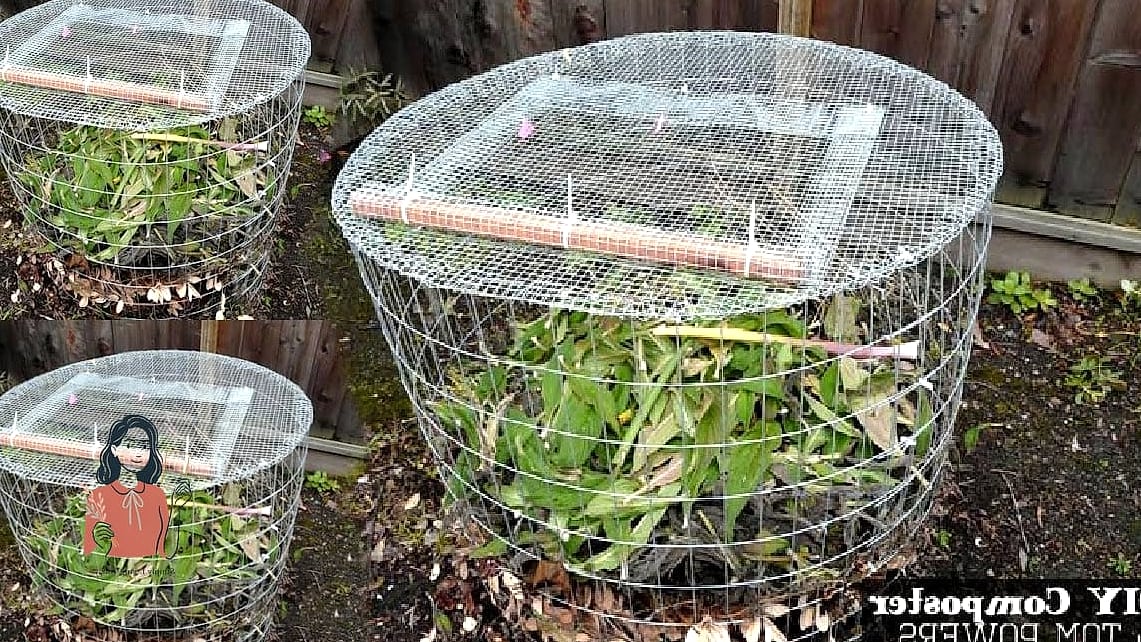
Drill ventilation holes around a galvanized metal trash can and add a locking lid to keep pests out entirely. Metal holds up better than plastic in direct sun and won’t degrade over time.
This is a good pick if raccoons or other wildlife are a persistent problem in your area. The trade-off is that metal cans get hot in direct sunlight, so a shaded spot works best.
Raised Bed Style Compost Bin
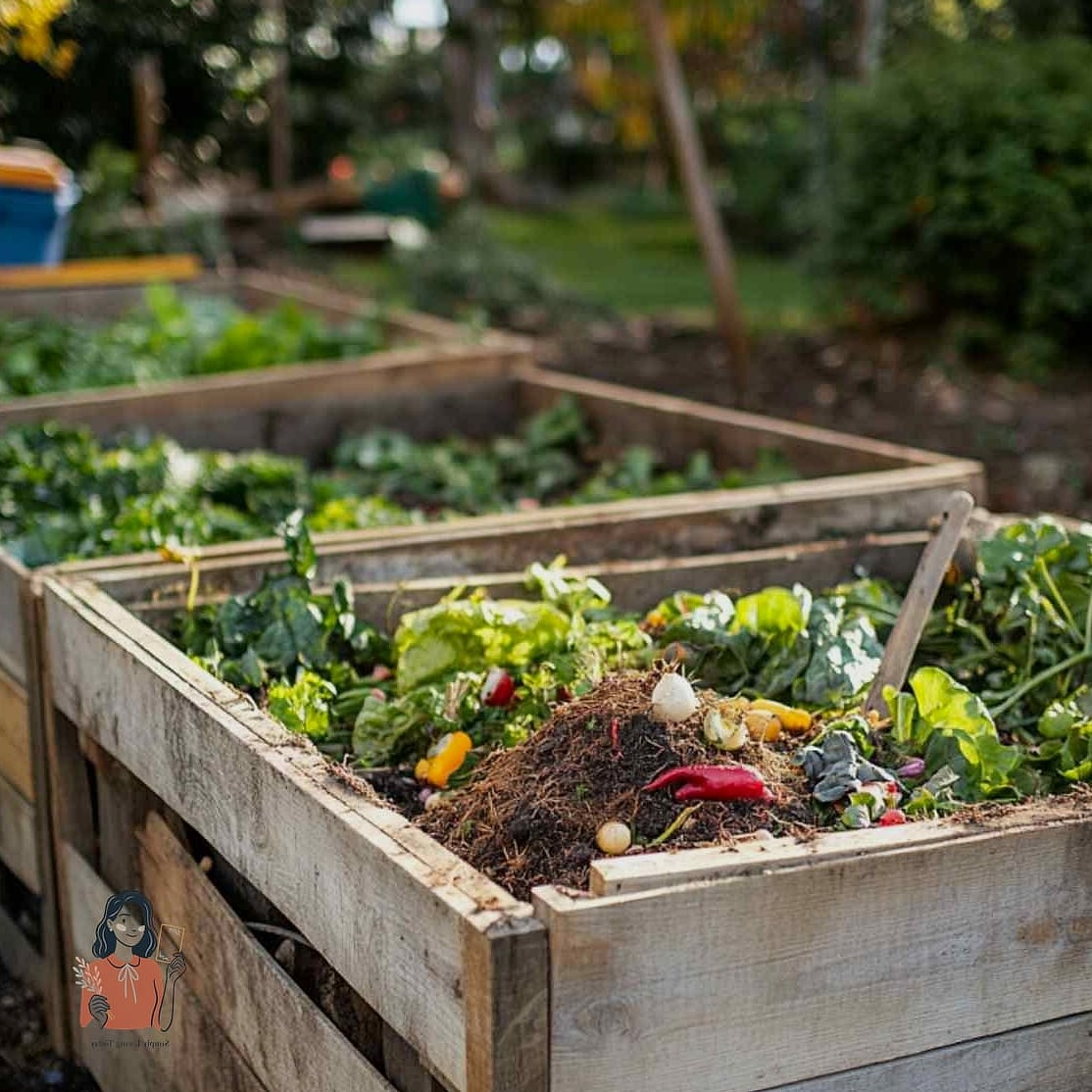
Build a bin using the same materials and technique as a raised garden bed, just without a bottom, so it sits directly on soil. This lets beneficial organisms move freely between the ground and the pile, speeding up the whole process.
It’s ideal if you’re already building raised beds for vegetables and want a matching compost station nearby. Position it close to your garden to cut down on the distance you have to carry finished compost.
Stackable Crate Compost Bin
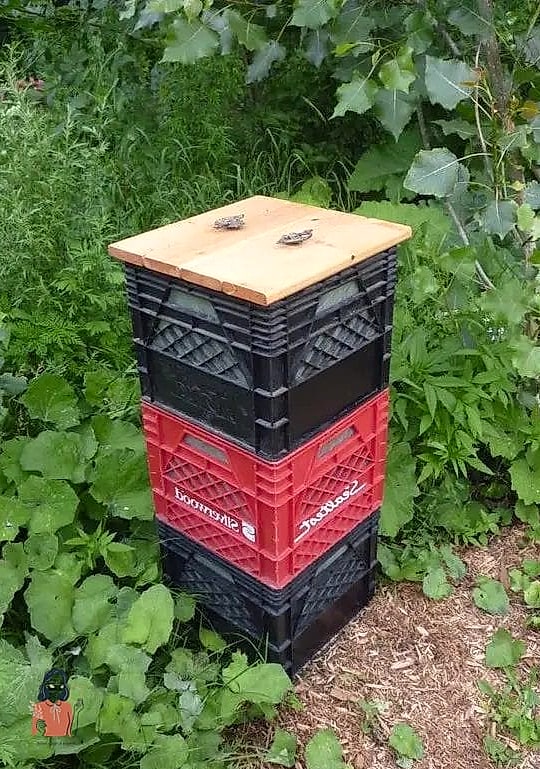
Plastic or wooden crates stacked and secured together create instant airflow through their built-in slats. Add a lid crate on top to keep rain and pests out.
This is one of the more affordable options if you already have crates lying around from moving or storage. It’s also easy to disassemble and relocate if you rearrange your yard later.
Compost Bin Built Into a Garden Corner
Use two existing fence sections as two walls of your bin, then add just two more sides using wood or wire to complete the enclosure. This cuts material costs nearly in half since you’re using structures you already have.
It works best for yards with a corner where two fences meet, tucking the bin out of the main sightline. This is a great budget-friendly alternative if you don’t want compost visible from your patio or windows.
Ceramic Countertop Compost Crock
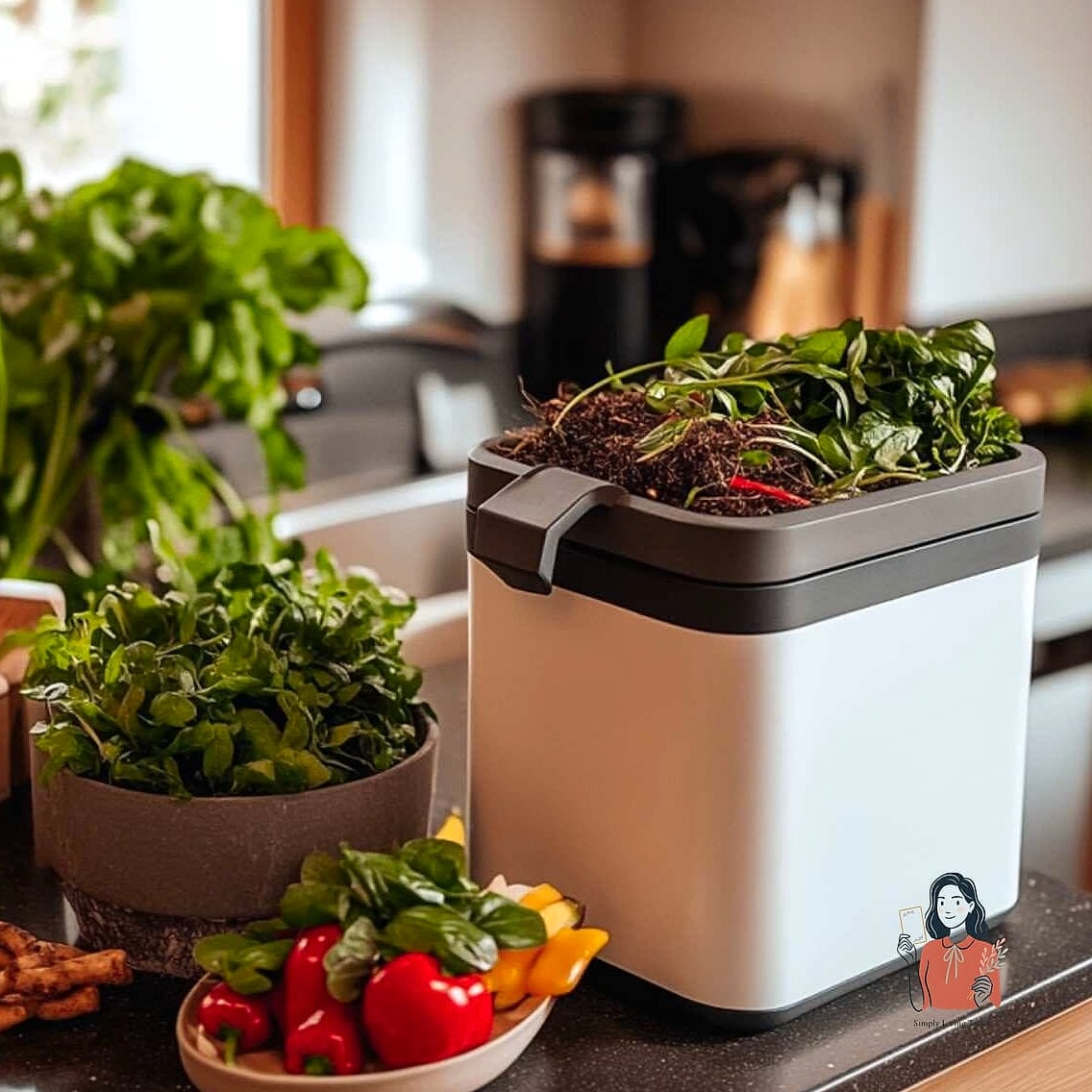
For collecting scraps before they head to an outdoor bin, a ceramic crock with a charcoal filter lid keeps kitchen odors under control. It’s not a full composting system on its own, but it pairs perfectly with any outdoor bin on this list.
This is especially useful for anyone who composts but doesn’t want to walk outside every time they peel a carrot. Empty it every couple of days into your main bin.
Compost Bin From Old Window Frames
Repurpose four old window frames as the walls of a bin, hinging one so it opens like a little greenhouse door. The glass or screen helps trap heat, which can speed up decomposition in cooler months.
This is more of a weekend project for someone who enjoys upcycling and wants a compost bin that doubles as a garden focal point. It’s not the fastest build on this list, but it’s one of the most charming.
Compact Balcony Compost Bin
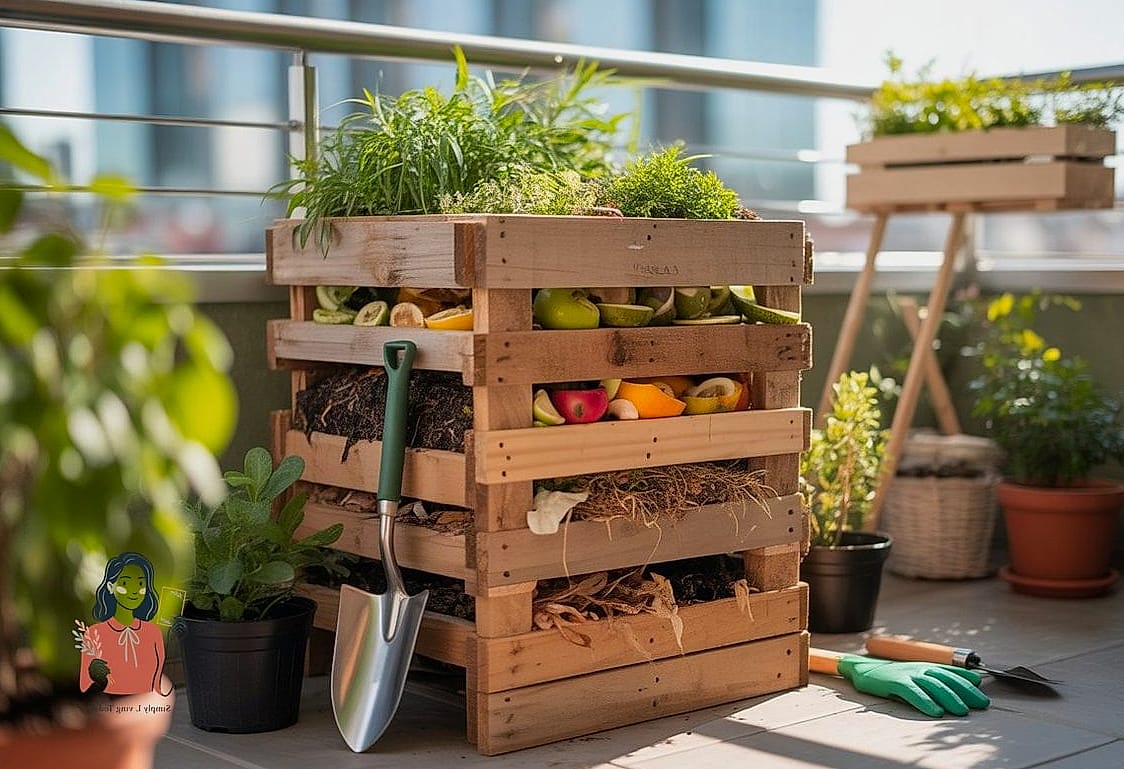
A small enclosed bin made from a plastic bin with a tight lid and charcoal or baking soda odor control works well for balconies and small patios. Keep the volume manageable so it doesn’t become overwhelming to turn by hand.
This suits apartment dwellers who still want to compost fruit and vegetable scraps without a yard. Pair it with a bokashi system if you want to include cooked foods, which most outdoor bins can’t handle as easily.
Multi-Chamber Wooden Compost Box
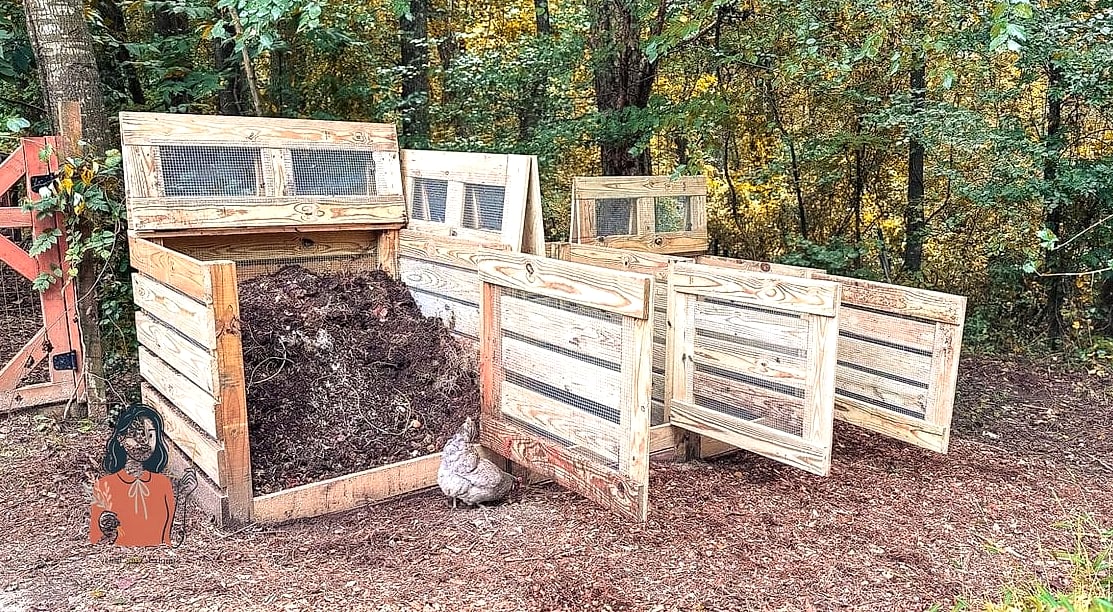
Build a single wooden structure with two or three internal dividers, creating separate chambers within one unit rather than three standalone bins. This saves on materials compared to building three separate structures while still letting you separate fresh scraps from finished compost.
It’s a good project for someone comfortable with basic woodworking who wants a tidy, unified look. The compact footprint also makes it easier to fit into a smaller yard than a sprawling three-bin system.
Whatever setup you land on, the real secret to good compost isn’t the bin itself, it’s balancing your greens and browns and giving the pile enough airflow to actually break down. Start small if you’re new to this, and don’t be afraid to upgrade your bin once you know how much composting you actually want to do.